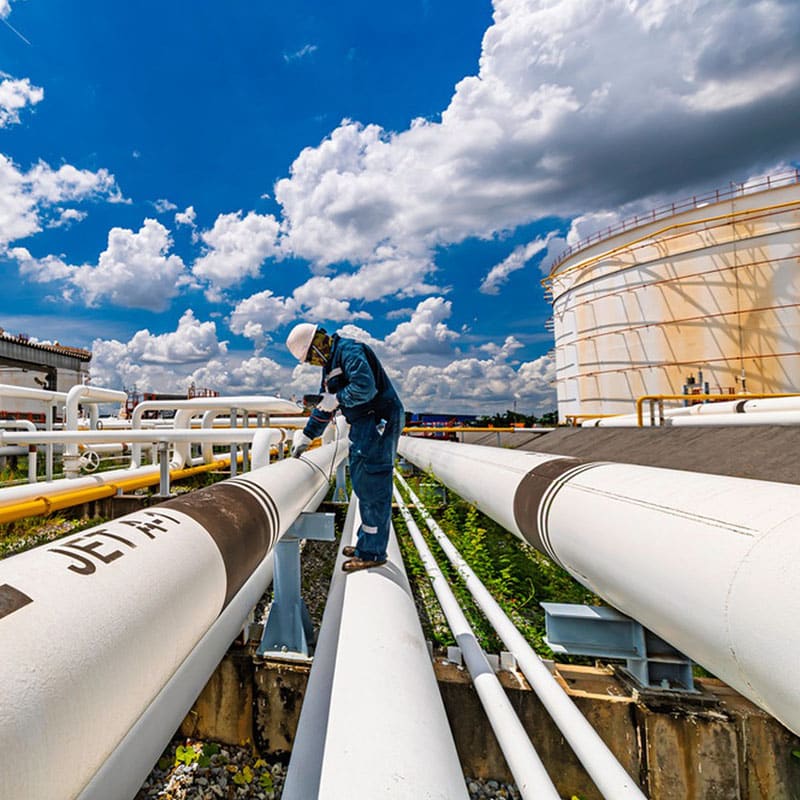
يتوافق مع المعايير الدولية
اختيار المواد الخام لصهاريج التخزين العمودية
اختيار المواد الخام لصهاريج التخزين العمودية
الفئة: خزان تخزين عمودي
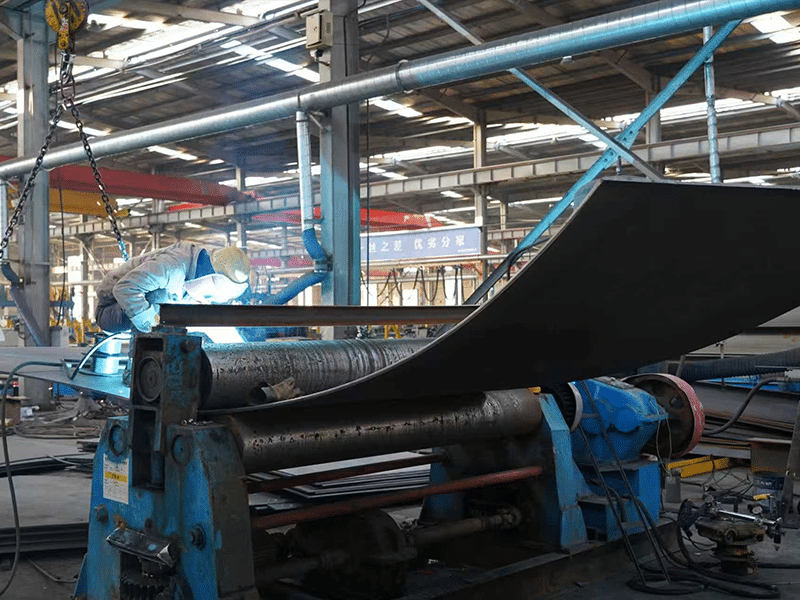
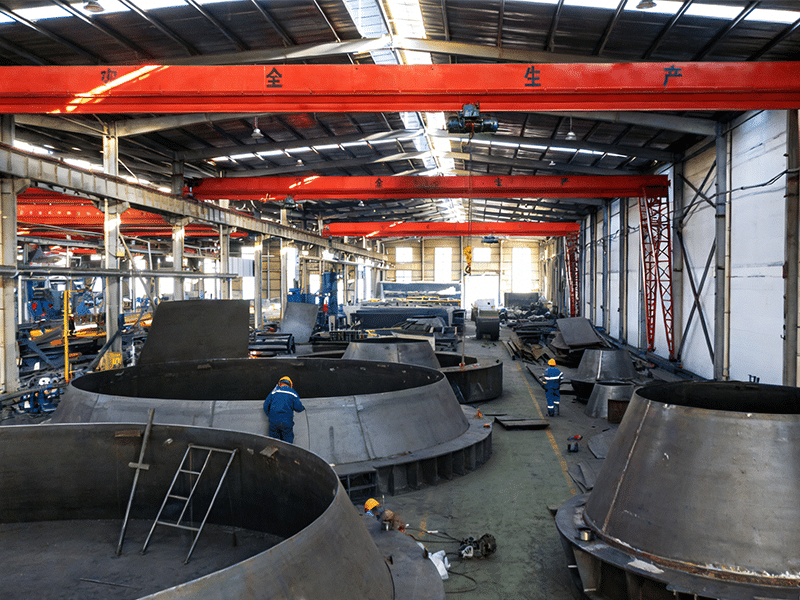
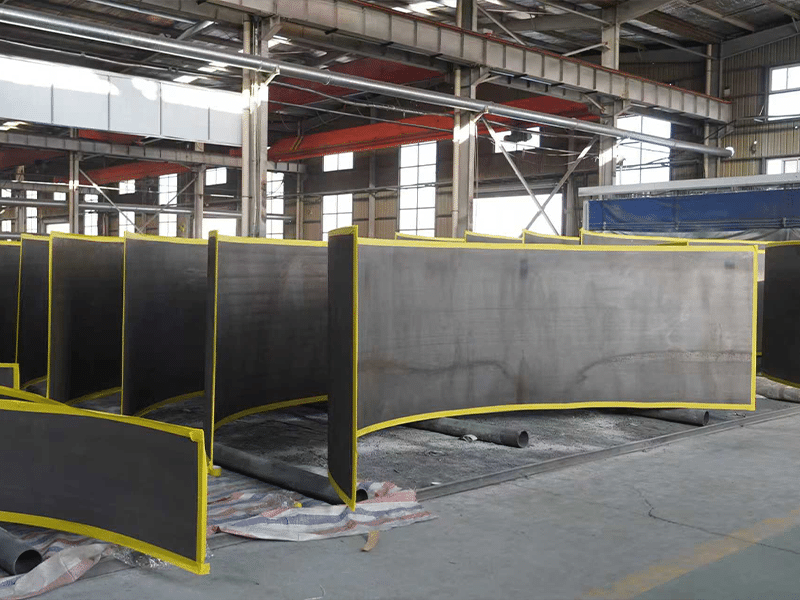
تُصنع صهاريج التخزين العمودية باستخدام الفولاذ الكربوني أو الفولاذ المقاوم للصدأ 304/316L أو الفولاذ منخفض السبائك عالي القوة، مقترنة بمواد لحام مؤهلة وطلاءات مضادة للتآكل. تشمل العملية فحص المواد والقطع باستخدام الحاسب الآلي والتسوية والدرفلة واللحام والاختبار غير المدمر واختبار الضغط والتشطيب السطحي، مما يوفر أوعية تخزين متينة ومُحكمة الإغلاق للتطبيقات الصناعية.
احصل على أفضل الأسعار
هل تحتاج إلى حل مخصص أو لديك متطلبات خاصة؟ تحدّث معنا الآن على واتساب أو أرسل رسالة سريعة. يمكنك الاتصال بنا عن طريق:
هيكلية المنتج
-
ألواح الصدف المتدرجة: صفائح فولاذية عالية الدقة تم اختيارها لسماكة وليونة محددة لتشكيل الجسم الأسطواني الرئيسي.
-
هيكل السقف المقوى: المواد المختارة لقدرتها على تحمل الأوزان البيئية مثل الثلوج أو الرياح.
-
ألواح أرضية عالية القوة: مواد مسطحة القاع مصممة للتفاعل مع الأساس ومقاومة وزن عمود السائل الكامل.
-
البنية التحتية المتكاملة للسلامة: يشمل حواجز حماية محيطية وسلالم وصول مصنوعة من الفولاذ المجلفن المقاوم للانزلاق.
-
فوهات دقيقة وممرات دقيقة: منافذ ذات حواف مطابقة للمواد تضمن توصيلات مانعة للتسرب للتعبئة والصيانة.
مزايا المنتج
-
سلامة هيكلية استثنائية: يوفر استخدام الفولاذ الكربوني Q235B أو Q345R قوة الشد اللازمة لمنع تشوه الغلاف تحت الأحمال الكاملة.
-
كفاءة المساحة المحسّنة: تسمح الهندسة العمودية مع المواد عالية القوة بتخزين أحجام تخزين ضخمة على مساحة أرضية صغيرة.
-
تخصيص مقاومة التآكل التخصيص: يمكن إقران المواد مع بطانات إيبوكسي داخلية متخصصة أو طلاء خارجي من البولي يوريثان لمنع الأكسدة.
-
قابلية التوسع الخاصة بالموقع: تسمح طرق التركيب الميداني بنقل المواد الخام وتجميعها في صهاريج تتجاوز 50,000 متر مكعب.
-
السلامة التشغيلية المعززة: تخضع جميع المواد لاختبارات صارمة، بما في ذلك فحوصات اللحام بالأشعة السينية لضمان أداء خالٍ من التسرب.
المواد والمواصفات
| الميزة | المواصفات |
| درجات الصلب الأساسية | الكربون الصلب الكربوني (Q235B، Q345R) أو الفولاذ المقاوم للصدأ (SUS304، SUS316L) |
| معيار التصنيع | صُممت وفقًا لمعايير API 650 أو GB 50341 أو ما يعادلها من المعايير العالمية |
| طريقة البناء | دقة اللحام الموقعي/التركيب الميداني |
| بروتوكول الاختبار | 100% فحص اللحام بالأشعة السينية والاختبار الهيدروستاتيكي |
| خيارات السعة | من 100 متر مكعب إلى 50,000 متر مكعب فأكثر (قابل للتخصيص بالكامل) |
المعلمات الفنية
-
نطاق درجة حرارة العمل: تعمل المواد القياسية من -40 درجة مئوية إلى +90 درجة مئوية؛ وتتوفر أنظمة العزل للتحكم في درجات الحرارة القصوى.
-
ضغط التصميم: الضغط الجوي في المقام الأول، مع هندسة مخصصة لمتطلبات الضغط المنخفض.
-
تصنيف الحمل البيئي: مصممة خصيصًا لتلبية متطلبات الأحمال الزلزالية والرياح المحلية بناءً على سُمك المادة.
سيناريوهات التطبيق
-
صناعة البتروكيماويات: تخزين كميات كبيرة من النفط الخام والديزل والبنزين والمنتجات الكيميائية المكررة.
-
إدارة المياه البلدية: خزانات كبيرة الحجم لمياه الشرب والحماية من الحرائق ومياه الصرف الصحي المعالجة.
-
التصنيع الكيميائي: احتواء آمن للمواد الخام والكواشف الكيميائية العدوانية.
-
الطاقة وتوليد الطاقة: إدارة المياه المنزوعة المعادن وإمدادات الوقود الإضافي لمحطات الطاقة.
-
الخدمات اللوجستية الزراعية: التخزين السائب للأسمدة السائلة واحتياطيات الري على نطاق صناعي.
8000+
مشاريع الخزانات المكتملة
15+
الخبرة في التصنيع
121000+
مساحة التصنيع بمساحة قدم مربع
300+
موظفو الشركة
المزيد من المنتجات
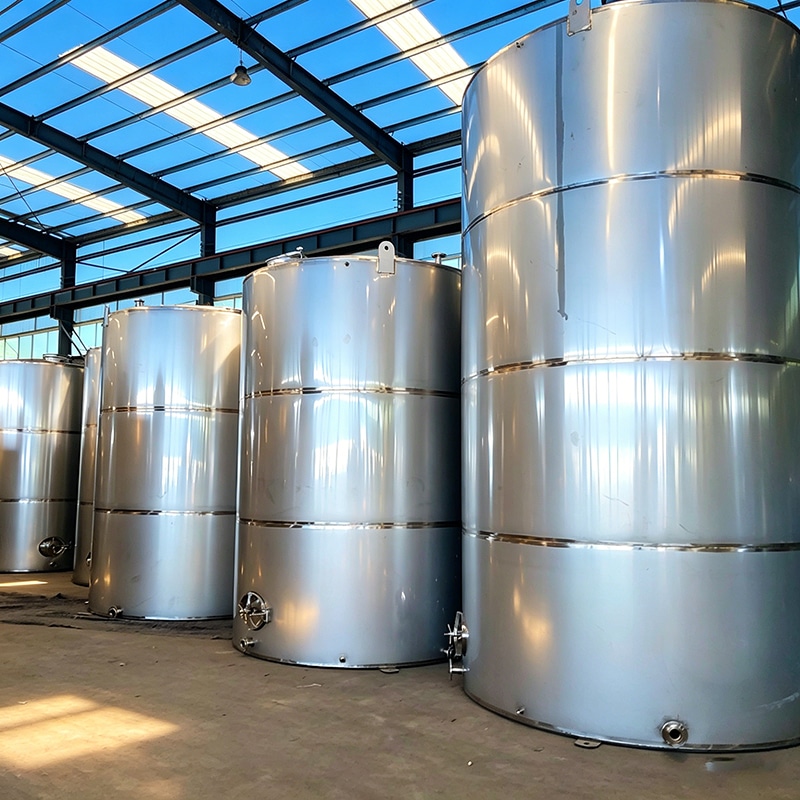
خزان مياه عمودي من الفولاذ المقاوم للصدأ
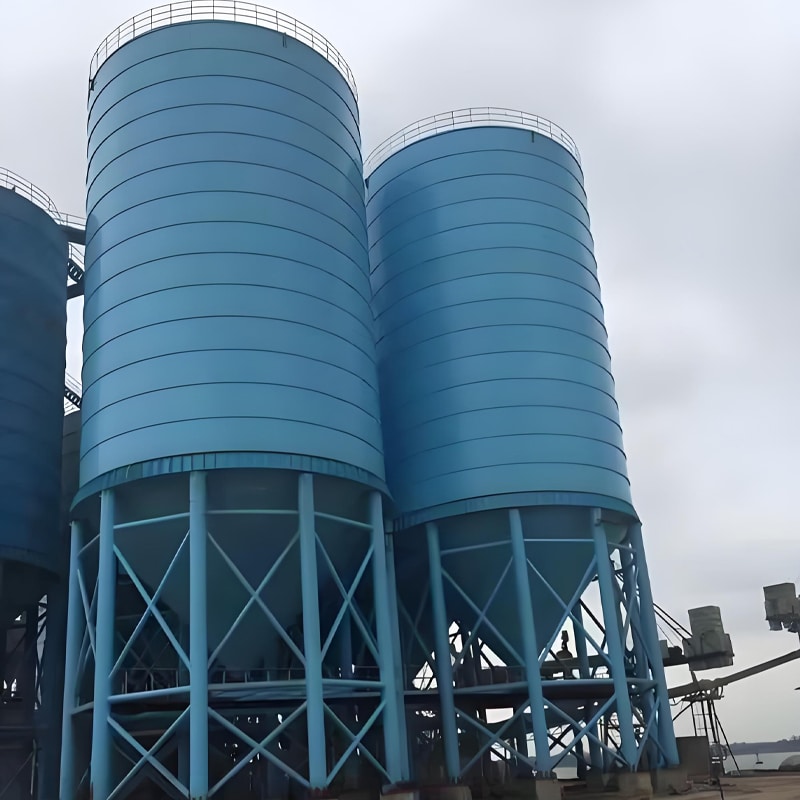
صهريج تخزين رماد مسحوق الفحم العمودي الكبير
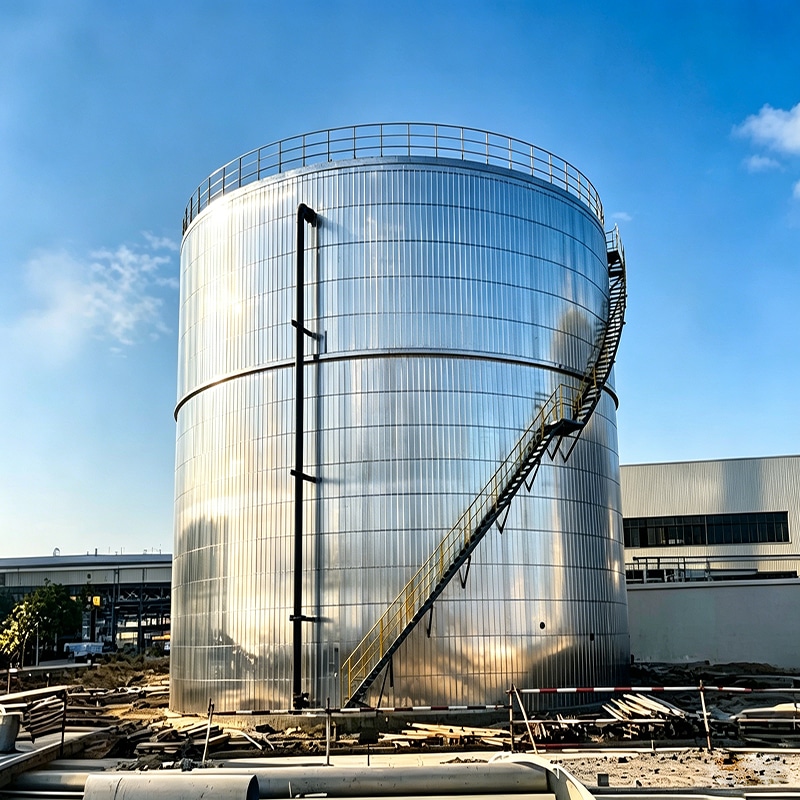
خزان تخزين عمودي معزول
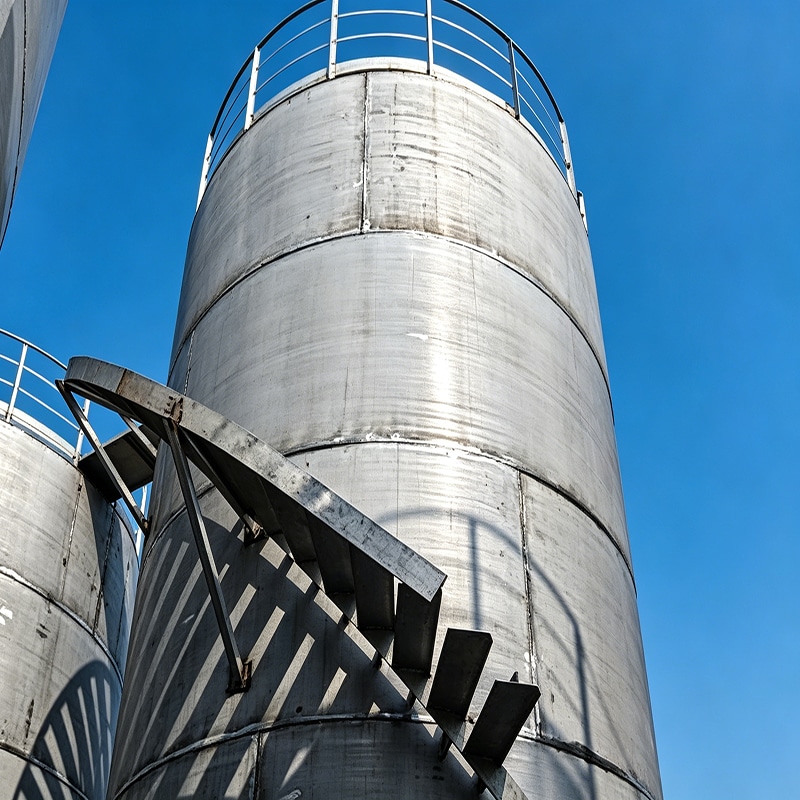
خزان تخزين عمودي كبير من الفولاذ المقاوم للصدأ
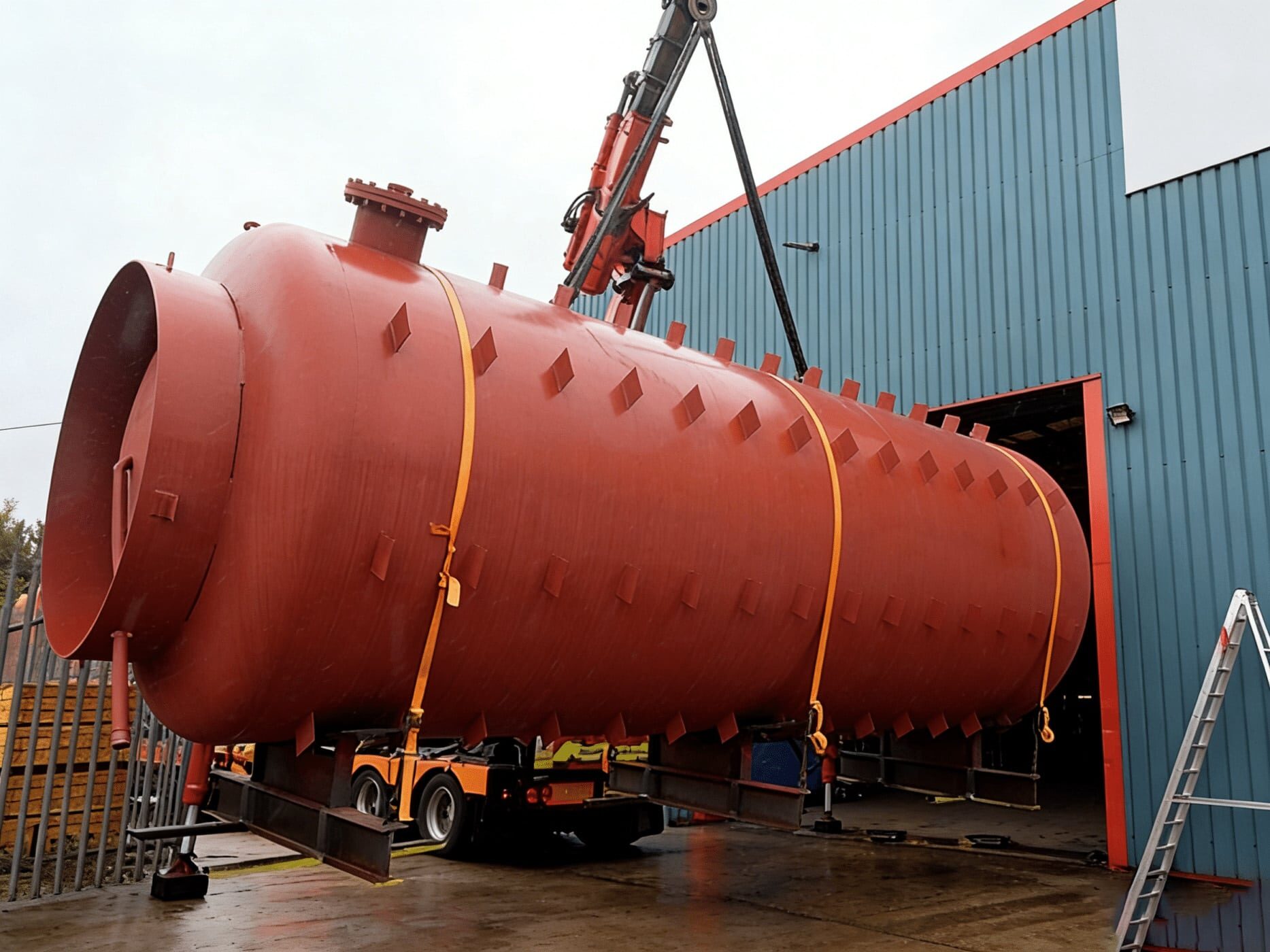
أوعية الضغط على المستوى الصناعي
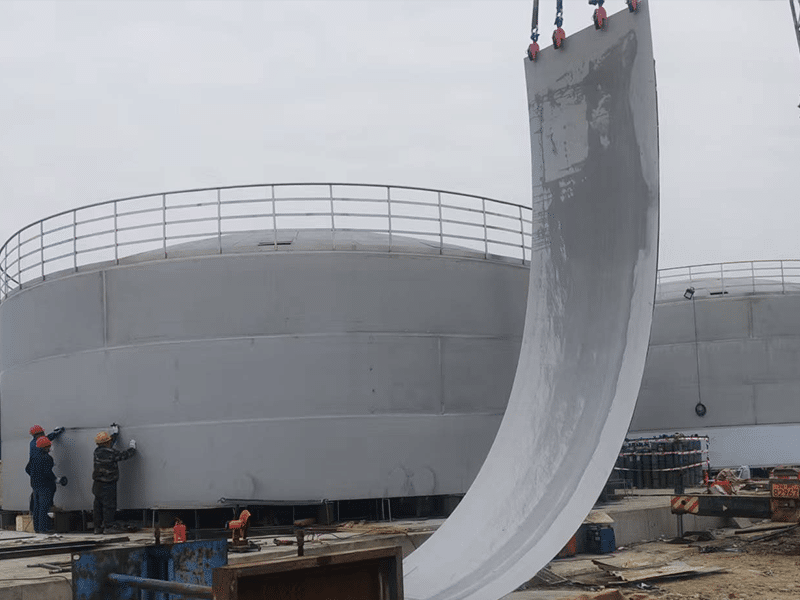
تصنيع صهاريج تخزين الفولاذ المقاوم للصدأ
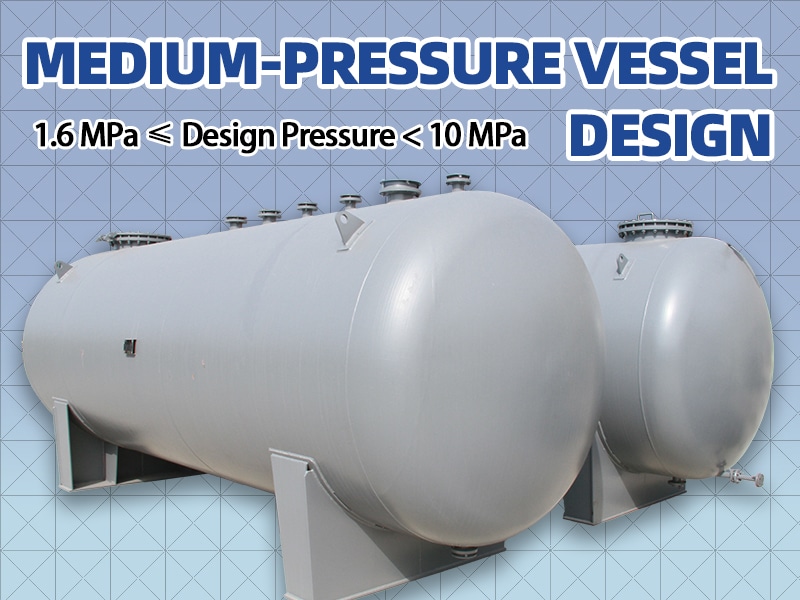
وعاء الضغط المنخفض الصناعي
هل لديك أي سؤال؟
سواء كنت تخطط لصهاريج التخزين لمشروعك القادم أو ترغب في معرفة المزيد عن حلولنا، يسعدنا أن نجيب على جميع أسئلتك بالتفصيل.
هل تحتاج إلى عرض أسعار مخصص لمشروع خزان التخزين الخاص بك؟
ما عليك سوى إرسال متطلباتك إلينا عبر نموذج الاستفسار الخاص بنا، وسنرد عليك على الفور بعرض شامل ومخصص.