API 620 Storage Tank Design and Installation
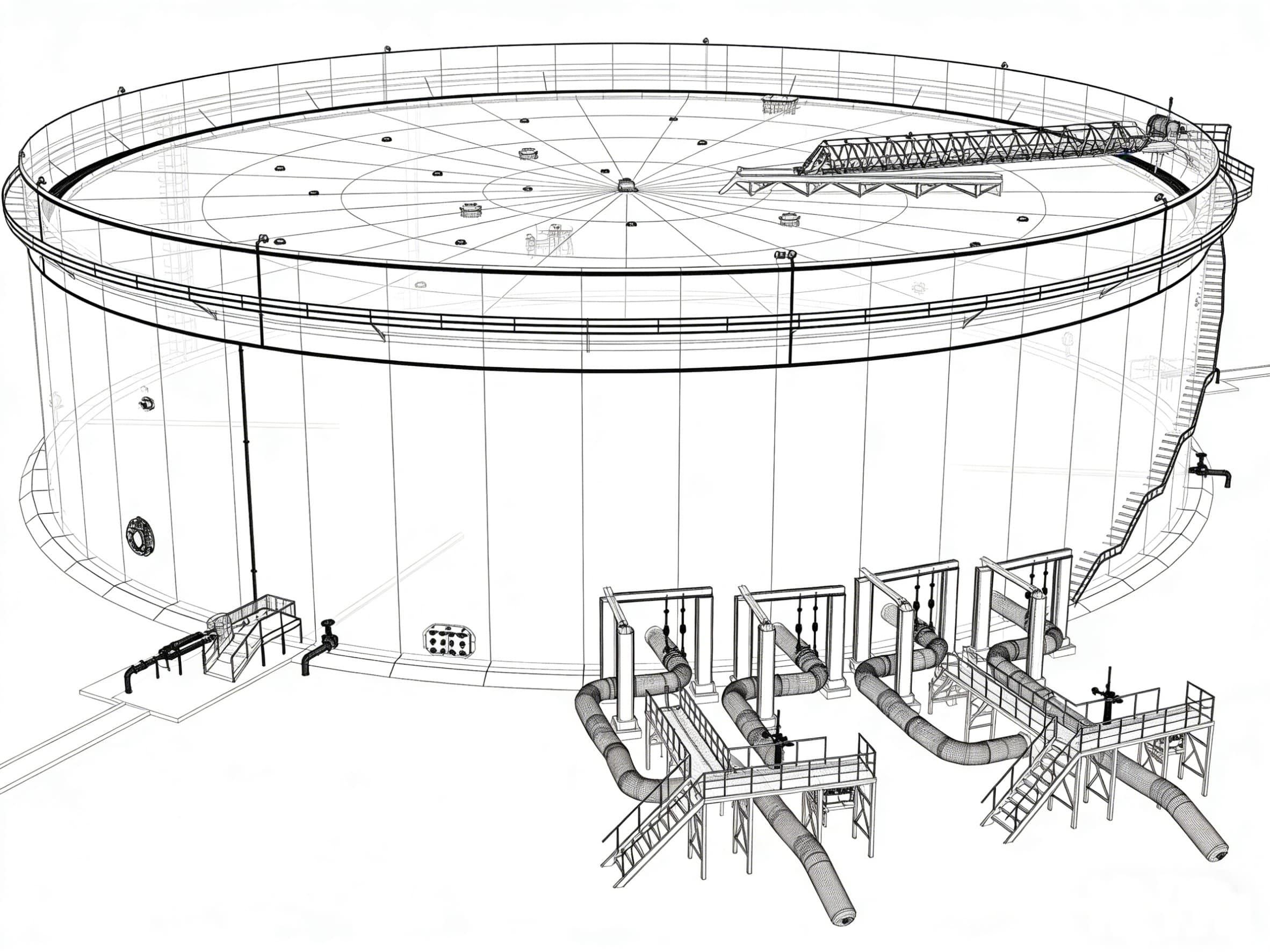
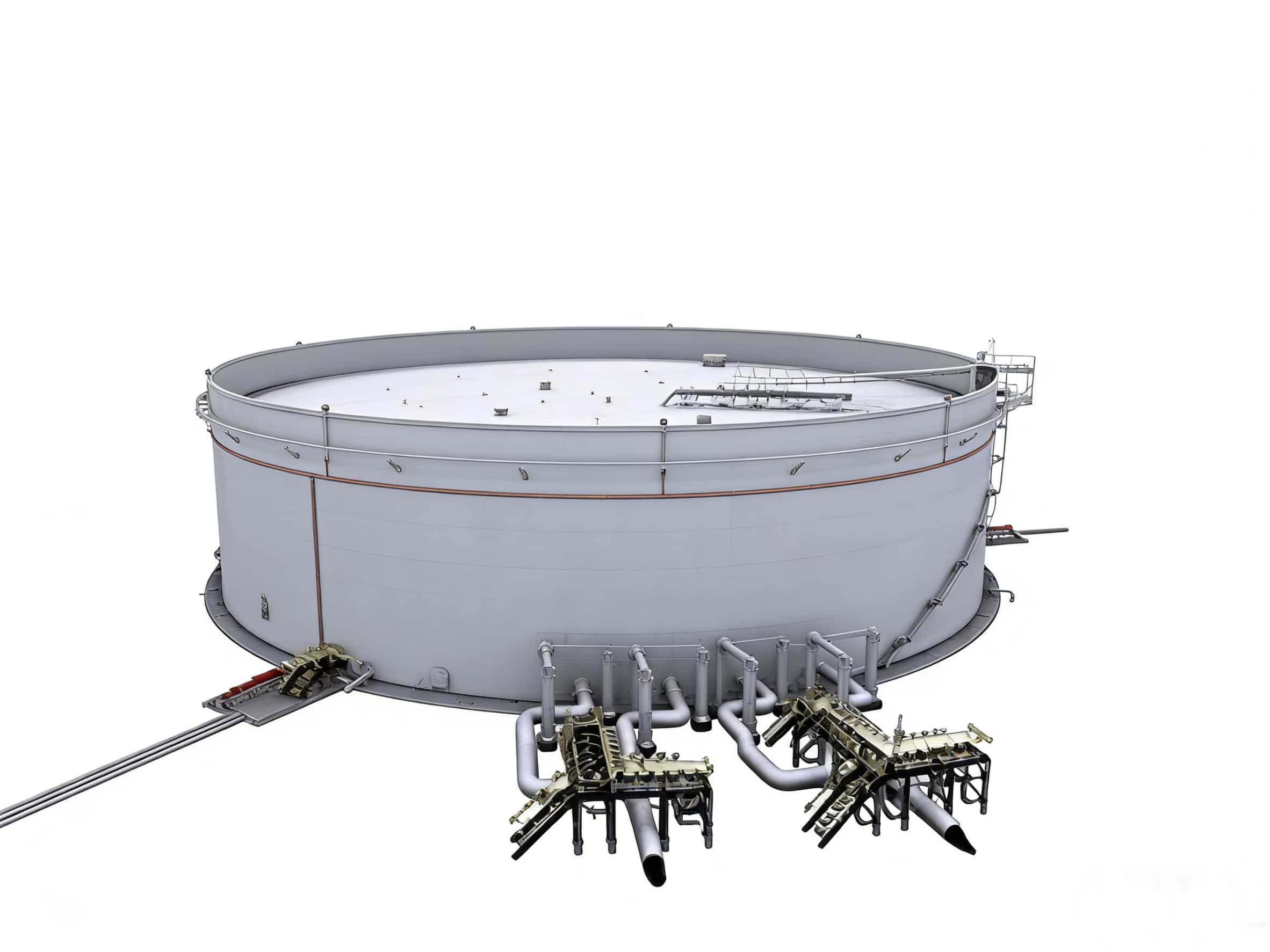
In most regions and countries across Europe, America, and globally, standards such as the American Petroleum Institute (API) 650, API 620, and API 12D are predominantly adopted for the design, construction, and installation of oil tanks and storage tanks. These belong to the API standards series. API, established in 1919, is the first national commercial…

Conforme aux normes internationales

Renforcement de la résistance à la mer et traitement anticorrosion

Prise en charge de l'inspection par un tiers
Délai de livraison : 15-30 jours
Obtenir le meilleur prix

Vous ne trouvez pas ce que vous cherchez ? Laissez-nous vous aider. Appelez-nous par WhatsApp ou envoyez-nous un message :

Before the design, we need to know from you:

I. Basic Operating Conditions and Media Information

Storage Media

  • Media Name (e.g., LNG, liquid oxygen, chemical solvents, crude oil, etc.)
  • Media Characteristics: Density, viscosity, flash point, corrosivity (presence of sulfur, chloride ions, acids, alkalis), volatility, and whether it is a low-temperature / high-temperature medium.
  • Media Temperature Range (maximum / minimum operating temperature) and whether phase change occurs (e.g., boiling, solidification).

Design Pressure and Vacuum Level

  • Design Pressure (positive pressure / negative pressure; API 620 allows a maximum of 15 psi; it is necessary to clarify whether overpressure conditions exist).
  • Vacuum Level (e.g., negative pressure value when the tank is emptied), with consideration given to structural stability under vacuum conditions.

Media Volume Requirements

  • Total Volume and Working Volume (safety margins need to be reserved to avoid overflow due to thermal expansion).
  • Filling Coefficient (e.g., maximum filling ratio for liquid media, usually around 0.95, which must comply with API 620 requirements).

II. Tank Structure and Dimension Parameters

Core Dimensions

  • Inner / Outer Diameter, total height, and effective height (maximum height for media storage).
  • Head Type (e.g., ellipsoidal, dished, conical) and head height (affects the stress and sealing design of the tank top).
  • Number of Tanks (for multi-tank system design, the spacing and connection method must be specified).

Structural Form

  • Tank Type (vertical cylindrical, conical roof / domed roof, flat bottom / conical bottom).
  • Support Type (skirt support, truss support, ground support), which must match the foundation conditions.

III. Environmental and Compliance Requirements

Geographic Environmental Parameters

  • Seismic Fortification Intensity of the Location (seismic calculation must be performed in accordance with API 620 Appendix E).
  • Maximum Wind Speed, Wind Pressure, and Snow Load (affect tank wall stability and wind-resistant design).
  • Soil Type and Groundwater Level (affect foundation design and anti-corrosion requirements).

Compliance and Certification Requirements

  • Regulatory Requirements of the Destination Country / Region (e.g., EU REACH, U.S. FDA, anti-corrosion standards for Middle Eastern countries).
  • Need for API Certification, Third-Party Testing (e.g., SGS, BV) or local acceptance standards (e.g., ASME BPVC, GB 50128).

IV. Material and Anti-Corrosion Requirements

Main Material Selection

  • Materials for Tank Wall, Tank Bottom, and Head (e.g., carbon steel, stainless steel, low-temperature steel, which must match the corrosivity and temperature of the media).
  • Material Standards (e.g., ASTM A516/A537 carbon steel, ASTM A240 stainless steel) and key mechanical properties (yield strength, tensile strength, elongation).

Anti-Corrosion and Protection

  • Type and Thickness of Anti-Corrosion Coating (primer / topcoat, e.g., epoxy coating, galvanized layer).
  • Need for Cathodic Protection System (sacrificial anode / impressed current), with clear requirements for anti-corrosion grade and service life.

V. Operation and Additional Requirements

Inlet / Outlet Methods

  • Inlet / Outlet Location (top / bottom) and method (pumping / gravity discharge).
  • Need for Mixing, Heating / Cooling Systems (e.g., jacket, coil), with clear requirements for heat exchange area and temperature control.

Accessory Configuration

  • Safety Accessories (safety valve, breather valve, level gauge, thermometer, drain outlet).
  • Number and Location of Manholes and Nozzles, which must comply with API 620 accessory installation specifications.

VI. Delivery and Schedule Requirements

Design and Delivery Standards

  • Requirements for Design Output Documents (drawings, calculation sheets, material lists, compliance certificates).
  • Schedule Milestones (design cycle, production cycle, delivery time), which must match the project schedule.

Quality and Acceptance Standards

  • Welding Standards (e.g., AWS D1.1) and non-destructive testing requirements (RT/UT/MT/PT ratio).
  • Pressure Testing Requirements (hydraulic test pressure, pressure holding time).

VII. Special Working Conditions and Risks

Fire and Explosion Prevention

  • Whether the Tank is Near Ignition Sources and fire protection distance requirements.
  • Whether the Media is Flammable or Explosive, with clear requirements for explosion-proof grade and protection measures.

Extreme Working Conditions

  • For conditions such as low temperature, earthquake, and typhoon, the structural ultimate load-bearing capacity must be considered.

VIII. Commercial and Cost Information

Cost and Budget

  • Budget Range (material cost, processing cost, transportation cost).
  • Acceptance of Cost Optimization Schemes (e.g., material substitution, structural simplification).

Supplier and Cooperation Requirements

  • Supplier Qualifications and localization requirements (e.g., need for local procurement).
  • Payment Methods and Delivery Terms (e.g., FOB/CIF trade terms).
0
PROJETS DE RÉSERVOIRS ACHEVÉS
 
0
Expérience en matière de fabrication
 
0
SQ FT ESPACE DE FABRICATION
 
0
PROPRIÉTAIRES SALARIÉS
 

Des clients de différents pays

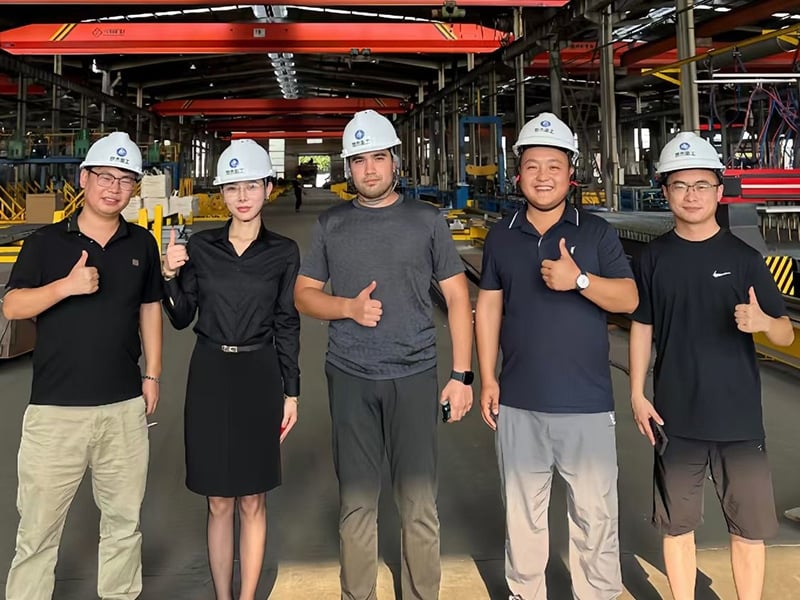
Shandong Shijie développe activement ses marchés nationaux et internationaux, en établissant des partenariats stratégiques à long terme avec des entreprises de renom telles que PetroChina, Sinopec, Huaneng et Geely. Ses projets d'ingénierie couvrent plus de 300 villes dans 23 provinces chinoises, et ses opérations d'ingénierie internationales ont atteint près de 30 pays et régions au Moyen-Orient, en Asie centrale, en Asie du Sud-Est, en Europe et en Amérique, recevant de nombreux éloges de la part des commerçants nationaux et étrangers. À l'avenir, les gens de Shijie accueilleront chaleureusement les commerçants nationaux et étrangers pour créer ensemble de brillantes carrières !

 

Vous avez une question ?

Nous nous ferons un plaisir de répondre à toutes vos questions concernant nos stocks, nos sites ou notre façon de travailler.

Vous souhaitez obtenir un devis ? 

Nous vous recommandons de soumettre une demande de devis via notre formulaire RFQ.

Service d'experts

Demandez un devis pour votre prochain projet de réservoir de stockage hors sol.
Obtenir un meilleur devis
Veuillez fournir des informations détaillées, telles que les paramètres et les dimensions du produit, afin que nous puissions calculer les frais d'expédition.