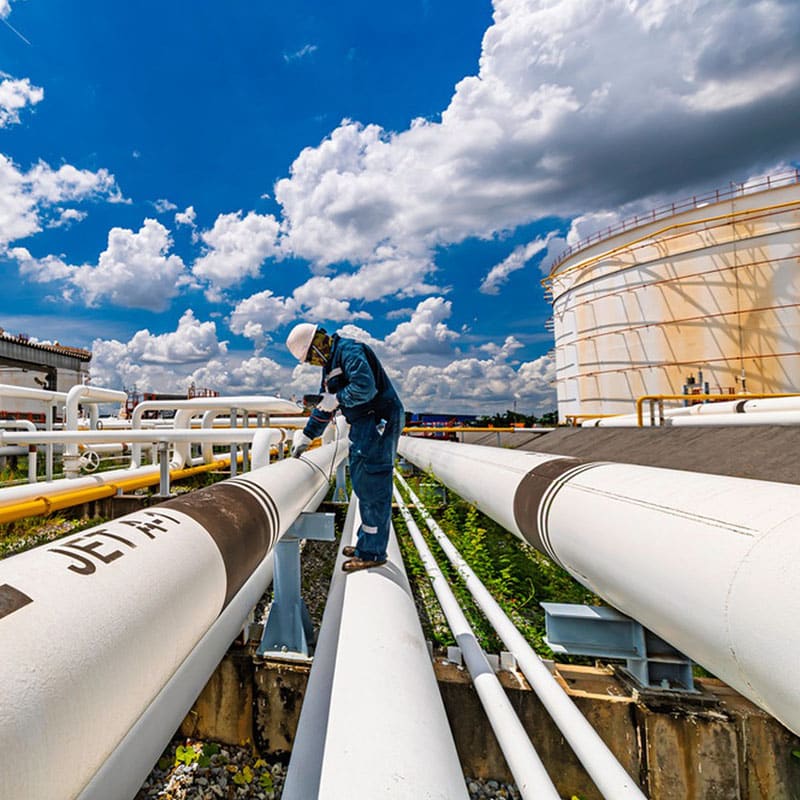
Cumple las normas internacionales
Selección de materias primas para tanques de almacenamiento verticales
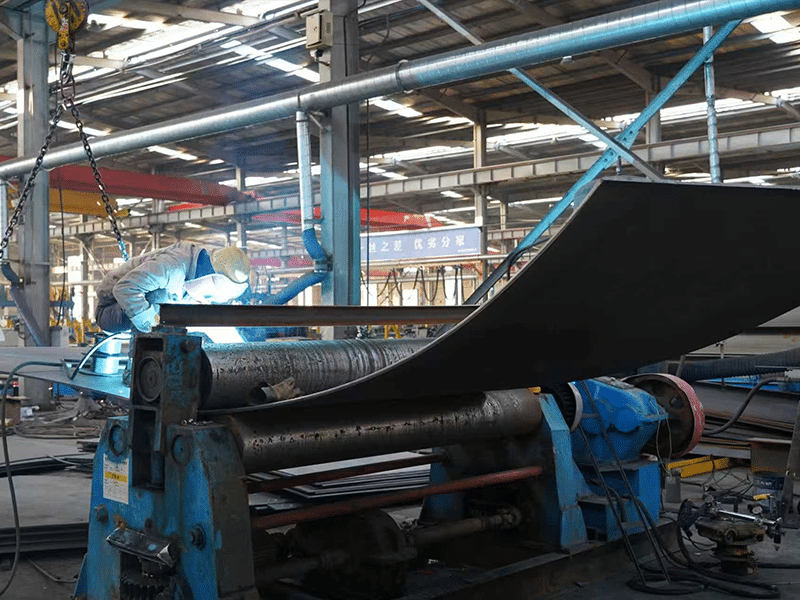
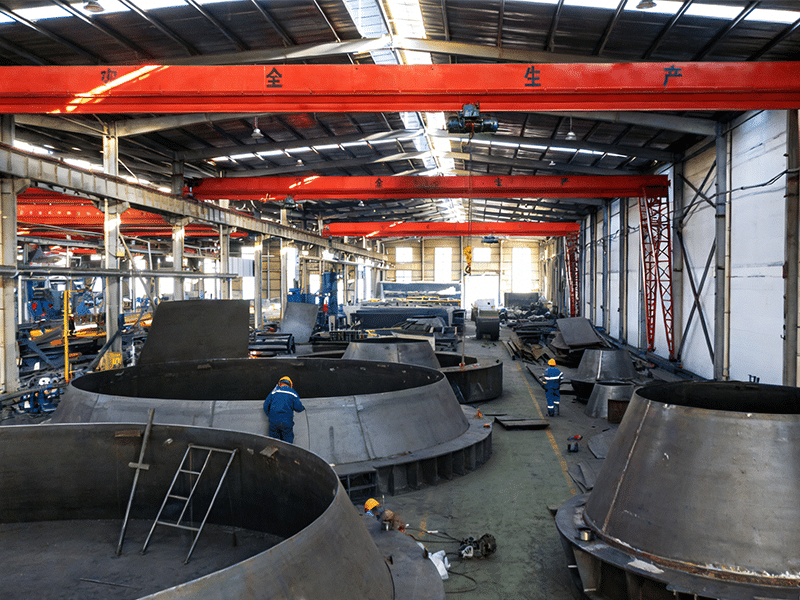
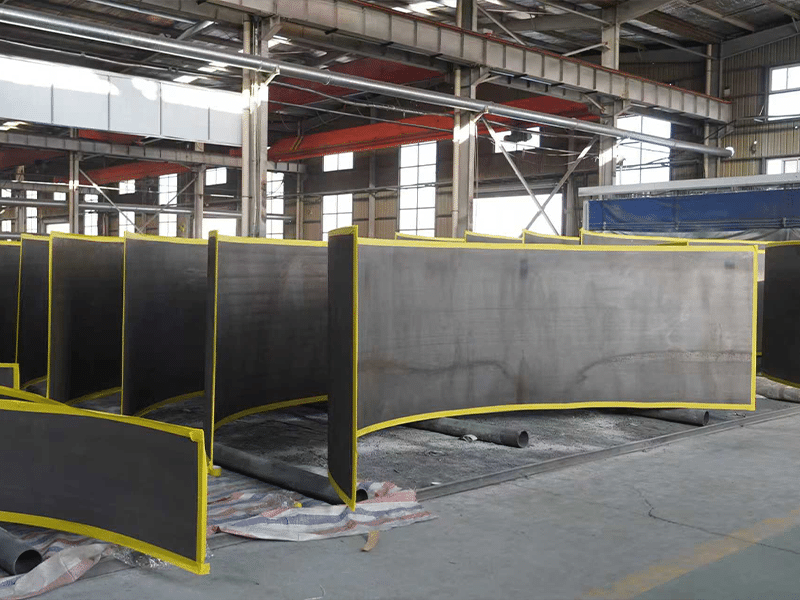
Selección de materias primas para tanques de almacenamiento verticales
Categoría: Tanque de almacenamiento vertical
Los depósitos de almacenamiento verticales se fabrican con acero al carbono, acero inoxidable 304/316L o acero de baja aleación y alta resistencia, combinados con materiales de soldadura cualificados y revestimientos anticorrosión. El proceso abarca la inspección de materiales, el corte CNC, la nivelación, el laminado, la soldadura, las pruebas no destructivas, las pruebas de presión y el acabado de superficies, con lo que se consiguen depósitos de almacenamiento duraderos y herméticos para aplicaciones industriales.
Obtener el mejor precio
¿Necesitas una solución personalizada o tienes requisitos especiales? Chatea ahora con nosotros por WhatsApp o envíanos un mensaje rápido. Puede ponerse en contacto con nosotros por:
Estructura del producto
-
Platos de concha escalonados: Chapas de acero de alta precisión seleccionadas por su espesor y ductilidad específicos para formar el cuerpo cilíndrico principal.
-
Estructura de techo reforzada: Materiales elegidos por su capacidad de carga para soportar pesos ambientales como la nieve o el viento.
-
Placas de suelo de alta resistencia: Materiales de fondo plano diseñados para interactuar con los cimientos y resistir el peso de toda la columna de líquido.
-
Infraestructura de seguridad integrada: Incluye barandillas perimetrales y escaleras de acceso de acero galvanizado antideslizante.
-
Boquillas y bocas de paso de precisión: Conexiones embridadas que garantizan conexiones estancas para el llenado y el mantenimiento.
Ventajas del producto
-
Excepcional integridad estructural: El uso de acero al carbono Q235B o Q345R proporciona la resistencia a la tracción necesaria para evitar la deformación de la coraza bajo plena carga.
-
Eficiencia espacial optimizada: La ingeniería vertical combinada con materiales de alta resistencia permite grandes volúmenes de almacenamiento en un espacio mínimo.
-
Personalización de la resistencia a la corrosión: Los materiales pueden combinarse con revestimientos internos especializados de epoxi o revestimientos externos de poliuretano para evitar la oxidación.
-
Escalabilidad específica: Los métodos de montaje sobre el terreno permiten transportar las materias primas y ensamblarlas en depósitos de más de 50.000m³.
-
Mayor seguridad operativa: Todos los materiales se someten a rigurosas pruebas, incluidas inspecciones de soldadura por rayos X, para garantizar un rendimiento sin fugas.
Material y especificaciones
| Característica | Especificación |
| Calidades primarias de acero | Acero al carbono (Q235B, Q345R) o acero inoxidable (SUS304, SUS316L) |
| Norma de fabricación | Construido según API 650, GB 50341 o normas mundiales equivalentes |
| Método de construcción | Soldadura de precisión in situ / montaje in situ |
| Protocolo de pruebas | 100% Inspección de soldaduras por rayos X y pruebas hidrostáticas |
| Opciones de capacidad | De 100m³ a 50.000m³+ (totalmente personalizable) |
Parámetros técnicos
-
Temperatura de trabajo: Los materiales estándar funcionan de -40°C a +90°C; existen sistemas de aislamiento para el control de temperaturas extremas.
-
Presión de diseño: Principalmente presión atmosférica, con ingeniería personalizada para requisitos de baja presión.
-
Capacidad de carga ambiental: Diseñado a medida para cumplir los requisitos locales de carga sísmica y de viento en función del grosor del material.
Escenarios de aplicación
-
Industria petroquímica: Almacenamiento a granel de petróleo crudo, gasóleo, gasolina y productos químicos refinados.
-
Gestión municipal del agua: Grandes depósitos para agua potable, protección contra incendios y tratamiento de aguas residuales.
-
Fabricación de productos químicos: Contención segura para materias primas y reactivos químicos agresivos.
-
Energía y generación de electricidad: Gestión de los suministros de agua desmineralizada y combustible auxiliar para centrales eléctricas.
-
Logística agrícola: Almacenamiento a granel de fertilizantes líquidos y reservas de riego a escala industrial.
8000+
PROYECTOS DE TANQUES FINALIZADOS
15+
EXPERIENCIA EN FABRICACIÓN
121000+
PIES CUADRADOS DE ESPACIO DE FABRICACIÓN
300+
EMPLEADOS DE LA EMPRESA
Más productos
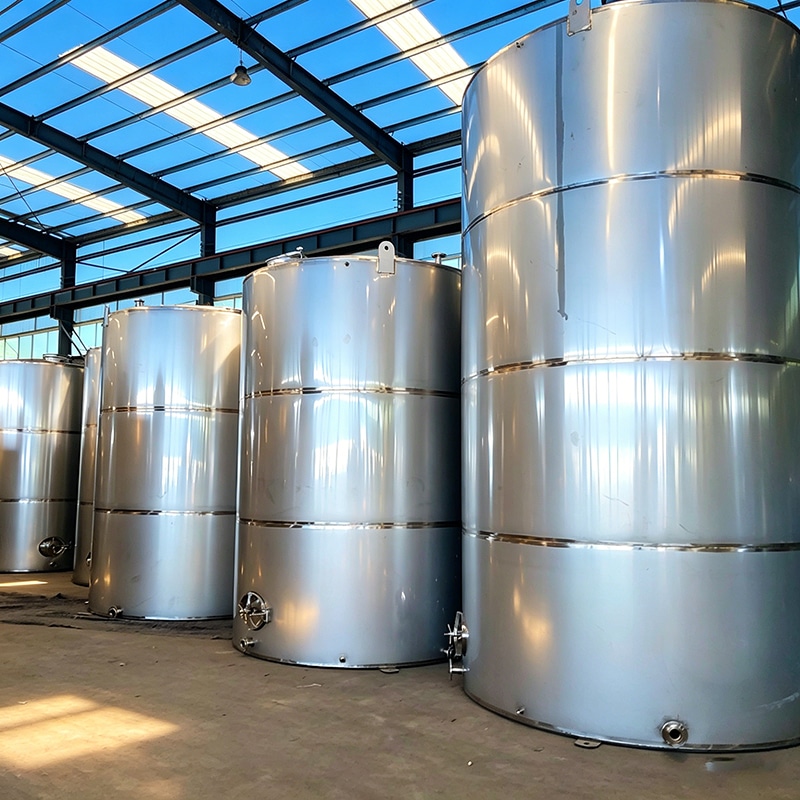
Depósito de agua vertical de acero inoxidable
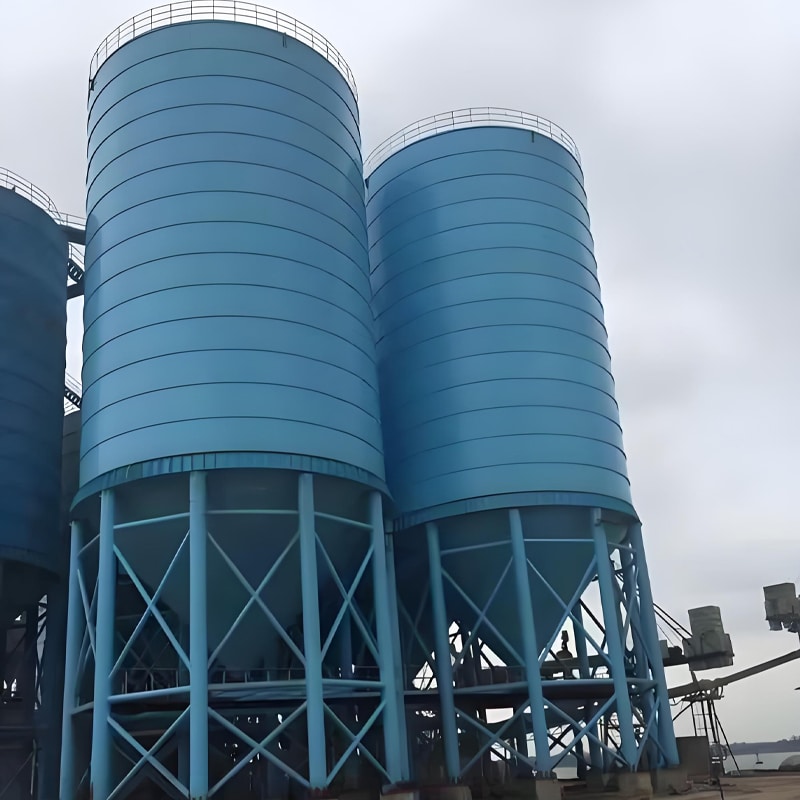
Gran tanque vertical de almacenamiento de cenizas de carbón en polvo
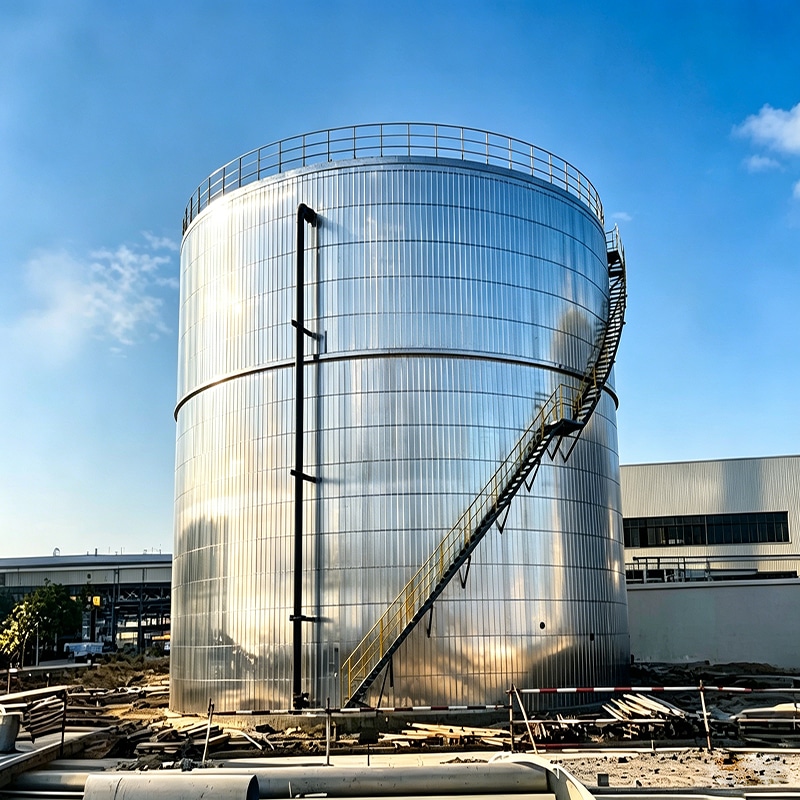
Depósito vertical aislado
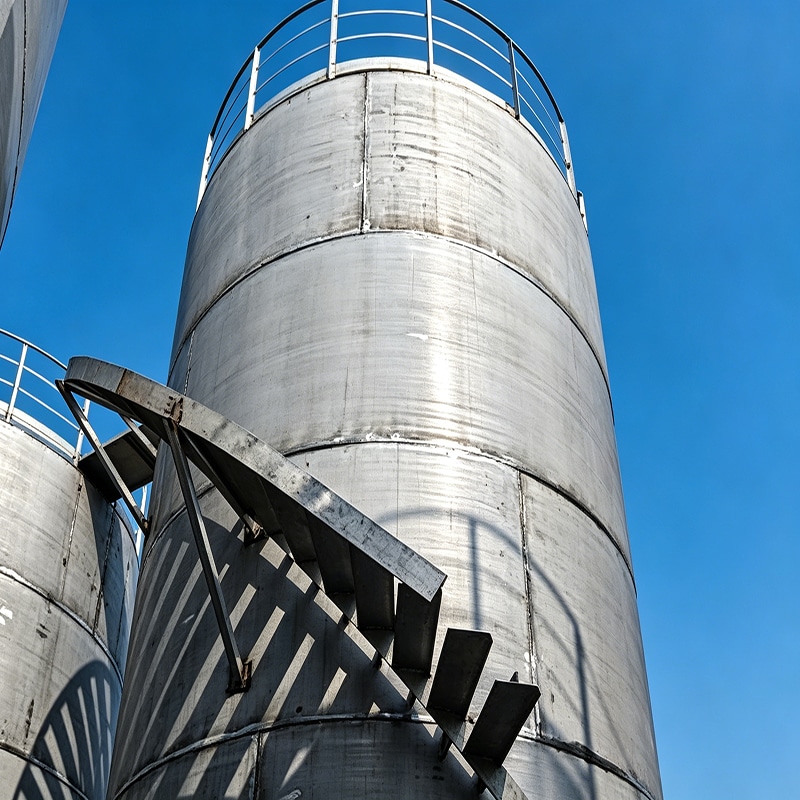
Gran depósito vertical de acero inoxidable
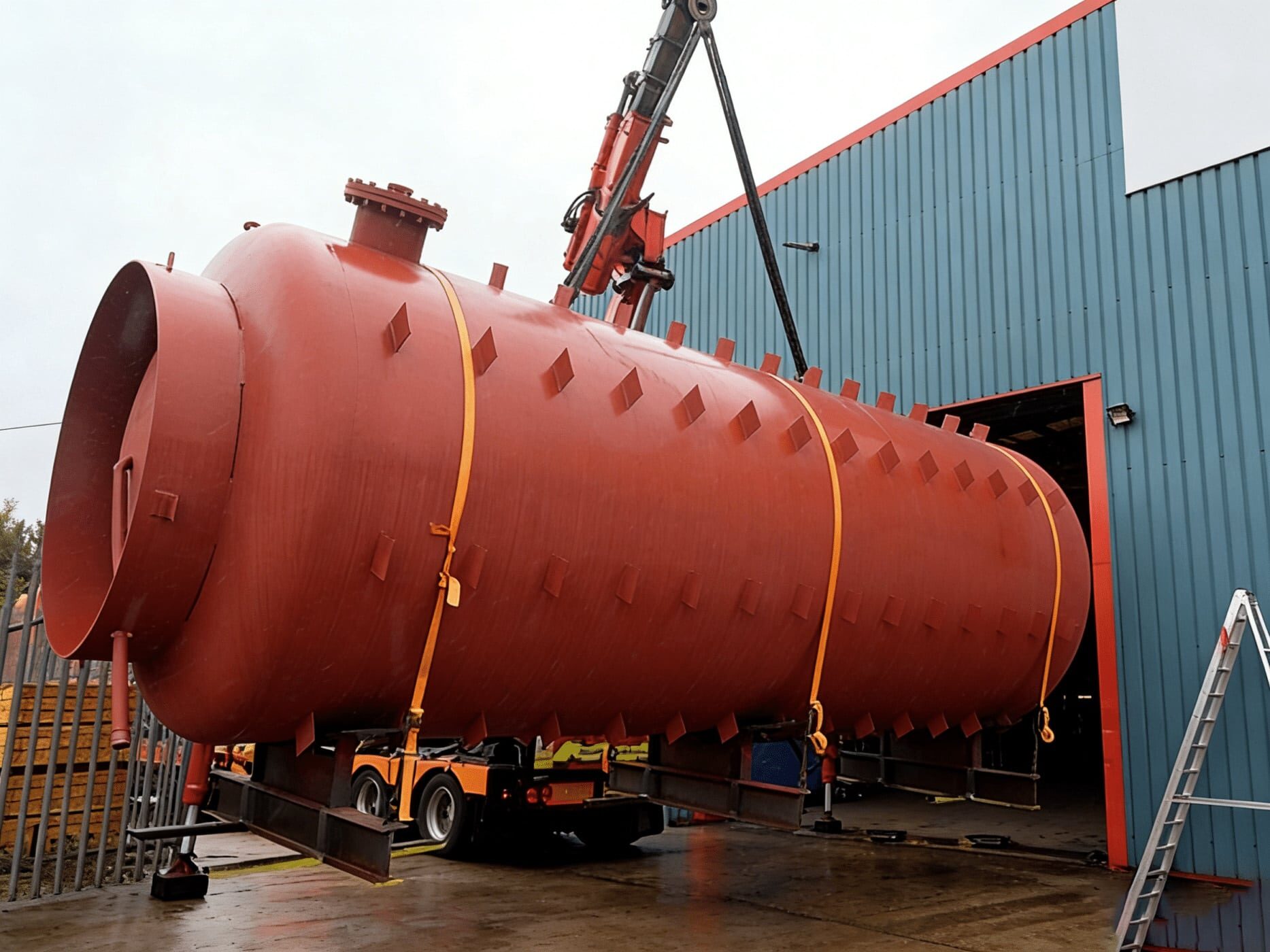
Recipientes a presión industriales
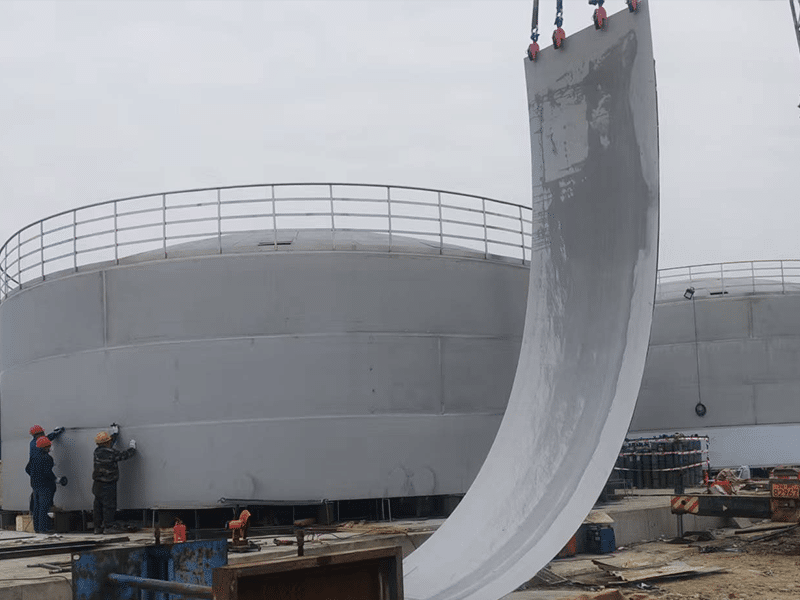
Fabricación de depósitos de acero inoxidable
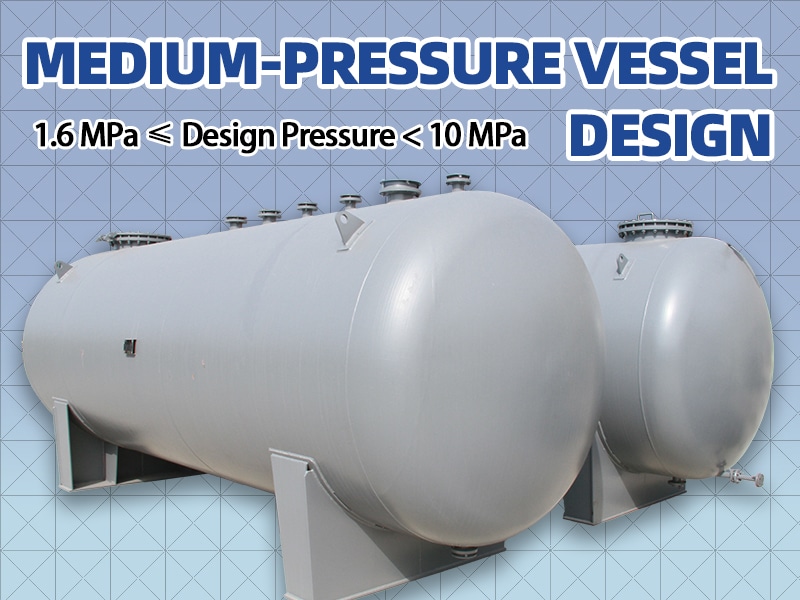
Recipiente industrial de baja presión
¿Tiene alguna pregunta?
Tanto si está planificando tanques de almacenamiento para su próximo proyecto como si desea saber más sobre nuestras soluciones, estaremos encantados de responder detalladamente a todas sus preguntas.
¿Necesita un presupuesto personalizado para su proyecto de tanque de almacenamiento?
Sólo tiene que enviarnos sus requisitos a través de nuestro formulario de consulta y le responderemos rápidamente con una oferta completa y adaptada a sus necesidades.