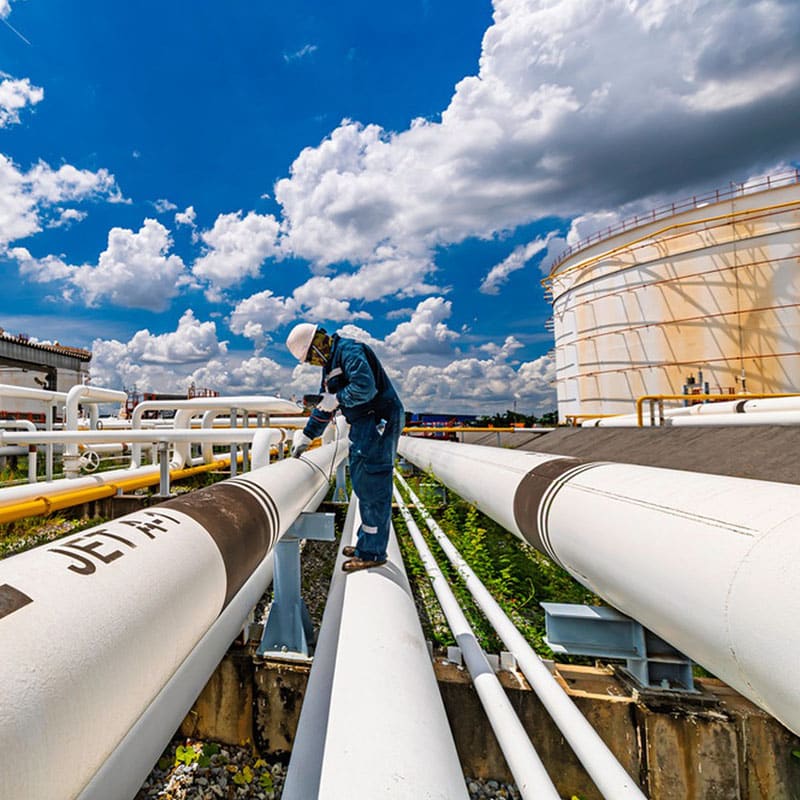
Cumple las normas internacionales
Tanque de almacenamiento vertical fijo| Diseño a medida y fabricante conforme a API 650
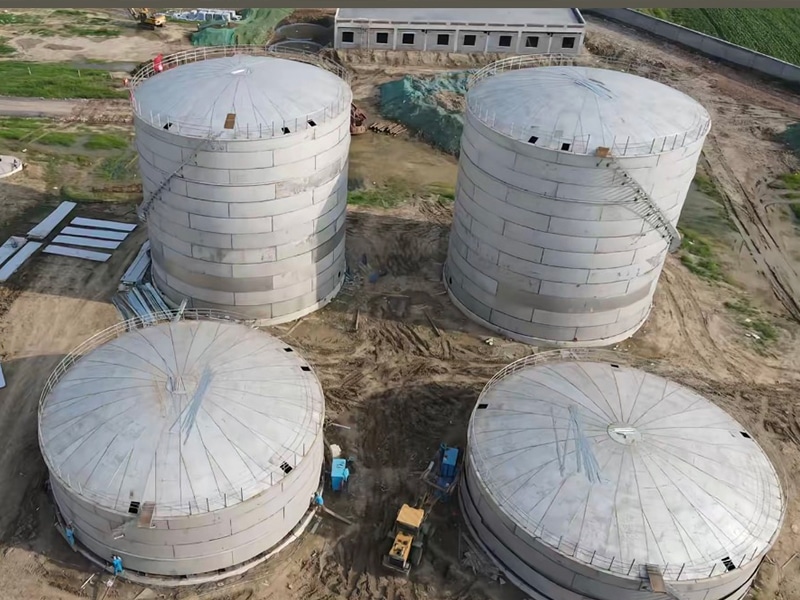
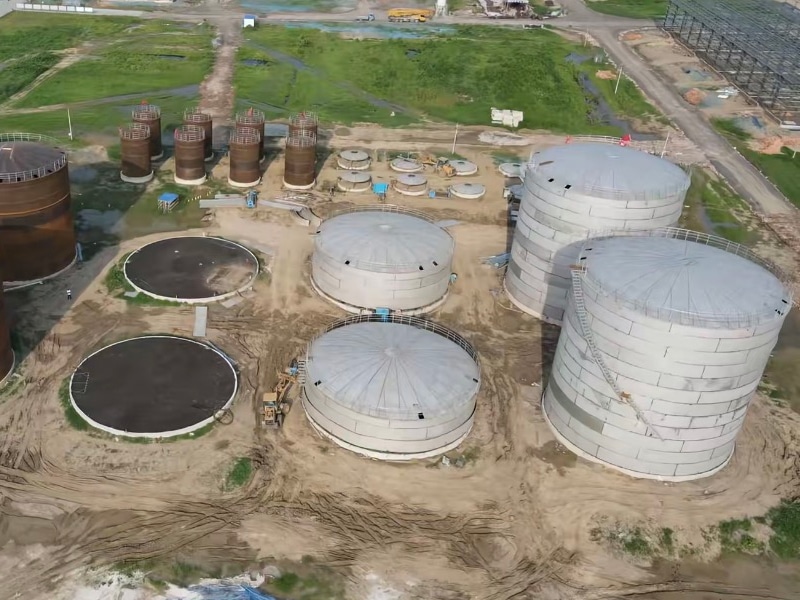
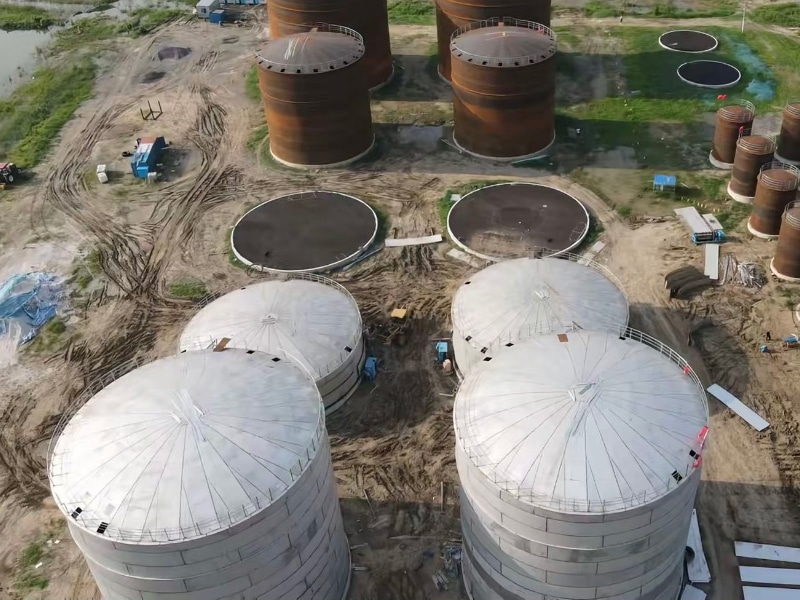
Tanque de almacenamiento vertical fijo| Diseño a medida y fabricante conforme a API 650
Categoría: Tanque de almacenamiento vertical
Fixed roof storage tank is an atmospheric/low-pressure vertical liquid storage equipment with stable structure and sealed anti-volatilization design, suitable for long-term storage of various liquids.
Q235B/Q345R carbon steel is commonly used for oil and fire water; 304/316L stainless steel for food and corrosive media, with anti-corrosion treatment on tank body.
Applied to petrochemical diesel/oil,…
Obtener el mejor precio
¿No encuentra lo que busca? Déjanos ayudarte. Llámanos por WhatsApp o envíanos un mensaje:
Fixed roof storage tank is a mainstream atmospheric/low-pressure storage equipment for petroleum, chemical and related liquid media.
It adopts an integrated fixed dome or conical roof structure with rigid connection between the tank body and roof, featuring stable sealing performance and reliable structural strength.
With simple structure, low operation and maintenance cost, and strong adaptability to storage capacity, it meets long-term closed storage demands of various liquid media, serving as a mature and standardized equipment in industrial storage.
Material Selection
Fixed roof storage tanks are manufactured with corrosion-resistant and pressure-qualified materials matched to stored media, with mainstream options as follows:
Carbon structural steels (Q235B/Q345R), suitable for conventional neutral media such as diesel, gasoline, lubricating oil and water, with high cost performance and excellent weldability;
Stainless steels (304/316L), providing superior acid and alkali resistance, ideal for corrosive or hygienic media including chemical solvents, food raw liquids, and weak acid/alkali substances.
Anti-corrosion coatings, cathodic protection and internal lining are also applied to further enhance aging resistance and medium erosion resistance, prolonging the service life of the tank.
Core Application Scenarios
Fixed roof storage tanks are mainly used for various liquid storage under atmospheric or low-pressure conditions, covering key industries widely.
Petrochemical industry: intermediate and reserve storage of crude oil, gasoline, diesel, heavy oil and other industrial oils;
Chemical industry: storage of stable liquid chemical raw materials at room temperature, such as alcohols, esters and additives;
Food and light industry: hygienic fluid storage including edible vegetable oil, syrup and drinking water;
Energy and municipal sector: fuel oil reserve, fire water tanks, supporting storage for municipal water treatment and other scenarios.
8000+
PROYECTOS DE TANQUES FINALIZADOS
15+
Experiencia en fabricación
121000+
PIES CUADRADOS DE ESPACIO DE FABRICACIÓN
300+
EMPLEADOS PROPIETARIOS
More Projects
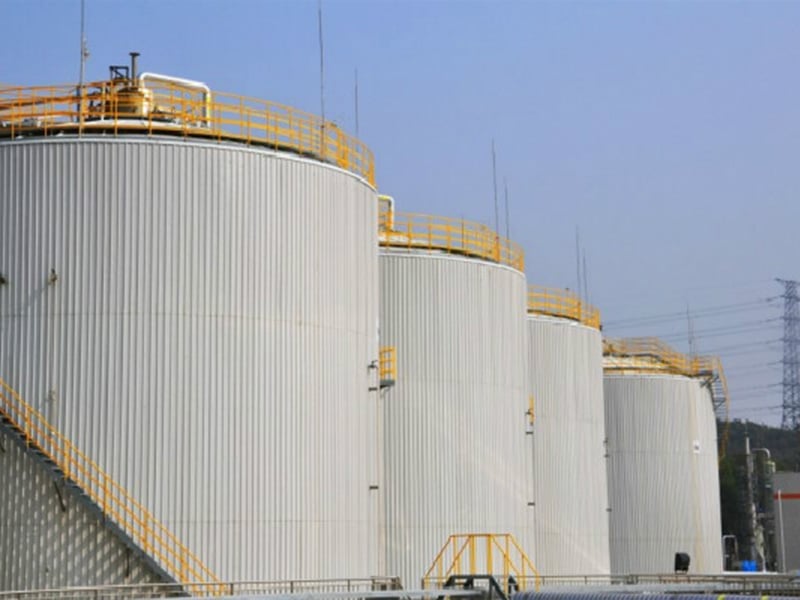
Tanque de almacenamiento vertical con sistema de aislamiento térmico
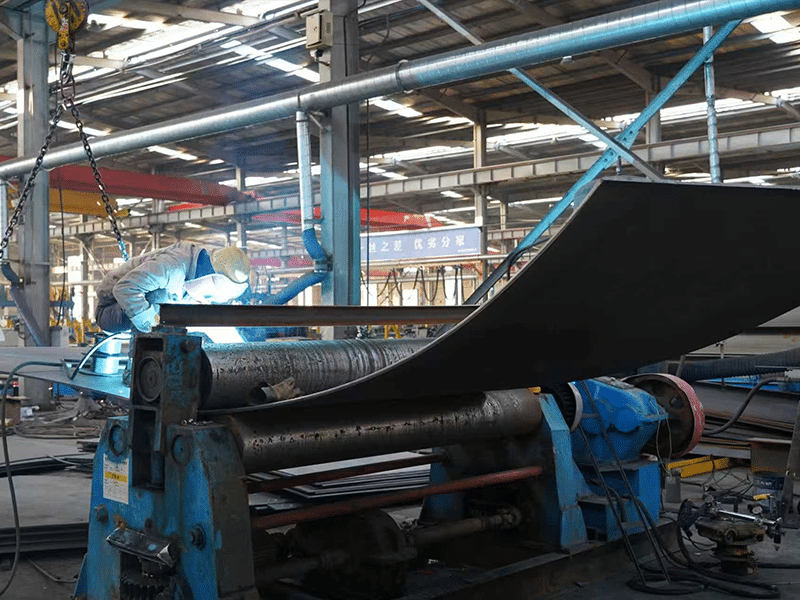
Tanque de almacenamiento vertical: Selección de materias primas, procesamiento y proceso de fabricación
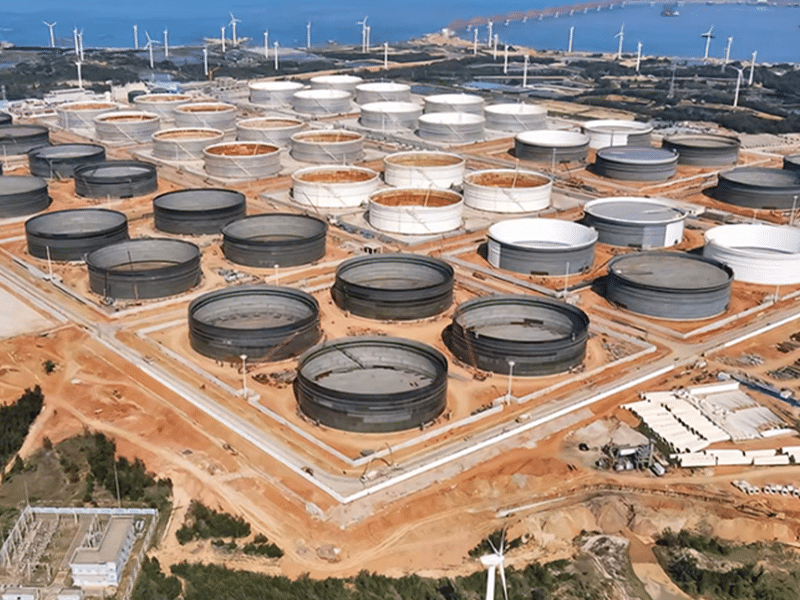
Tanques exteriores de techo flotante para almacenamiento de petróleo crudo y refinado
Tanque de almacenamiento vertical fijo| Diseño a medida y fabricante conforme a API 650
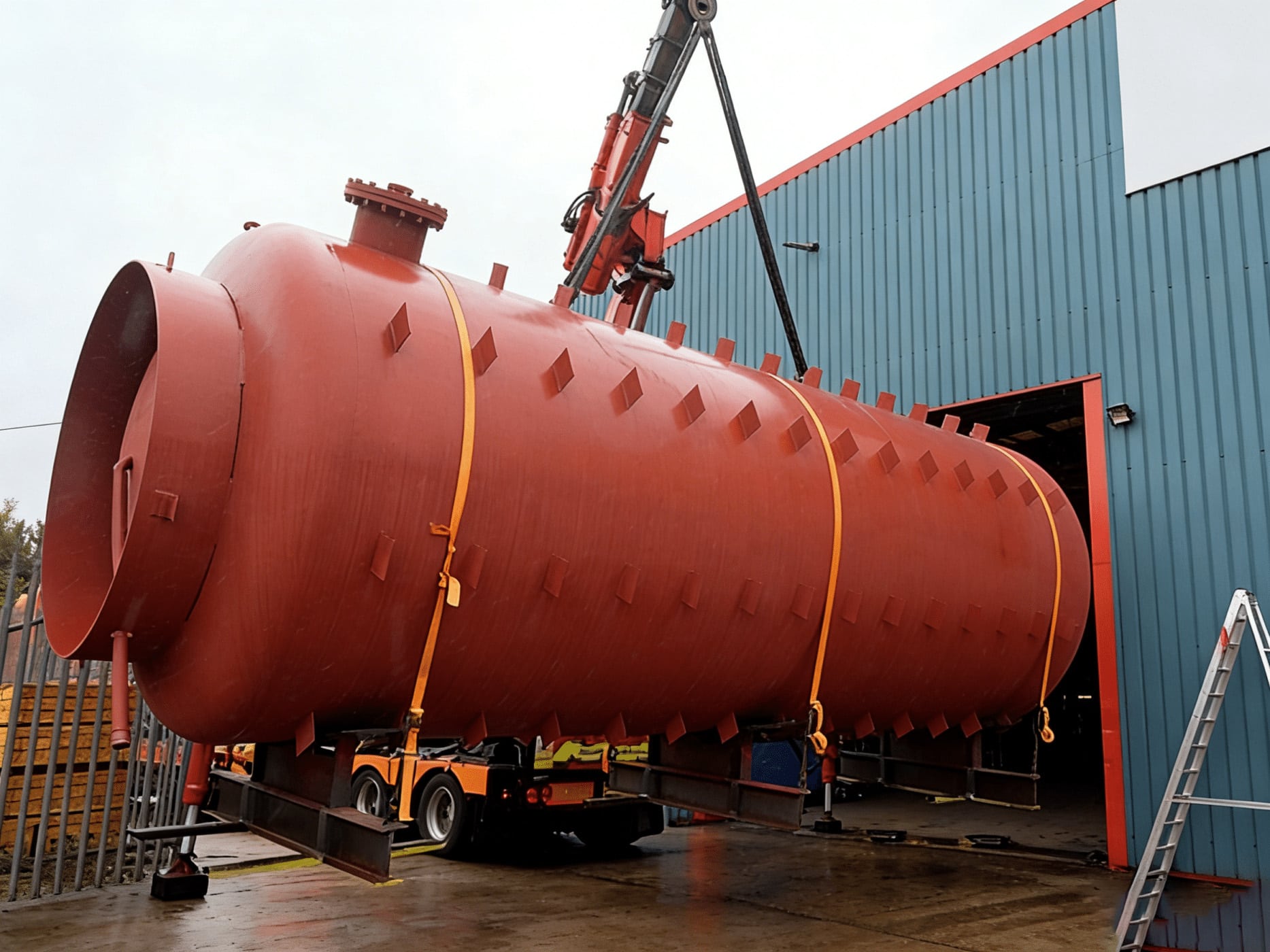
Fabricación de recipientes de baja presión
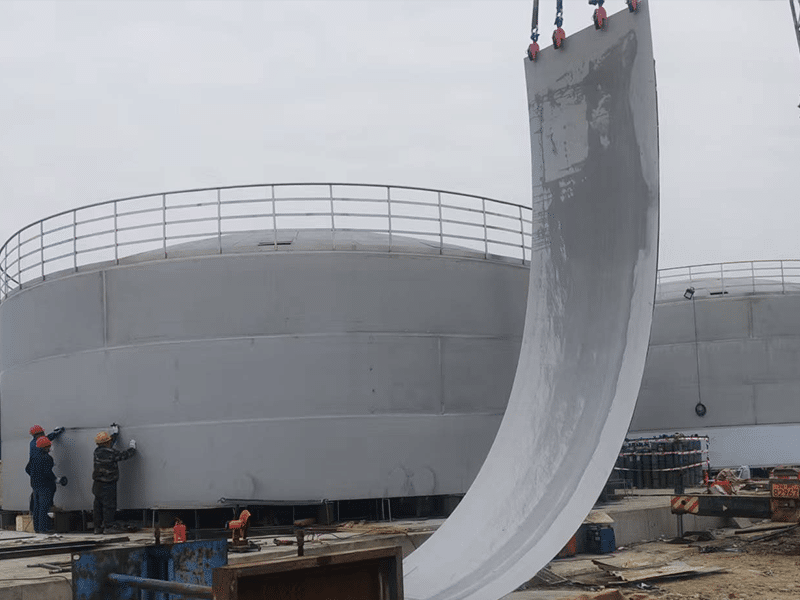
Fabricación de depósitos de acero inoxidable
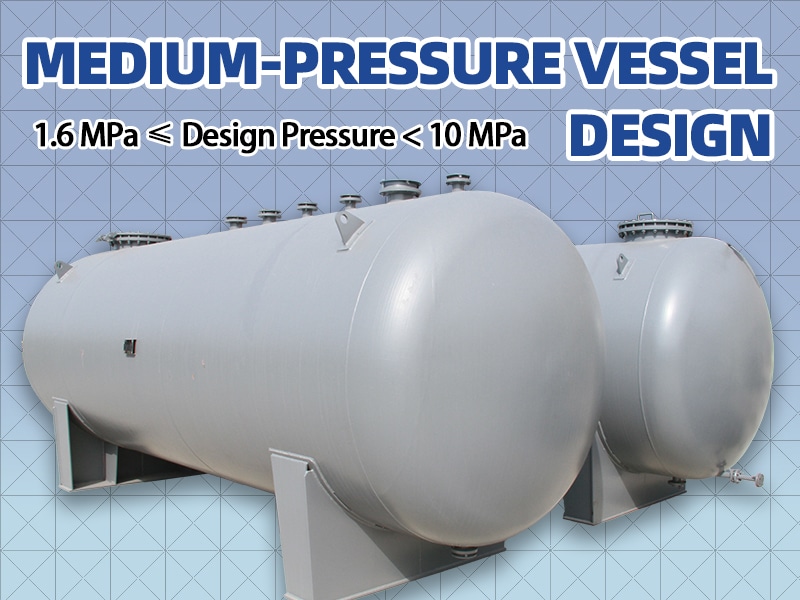
Diseño de recipientes de baja presión
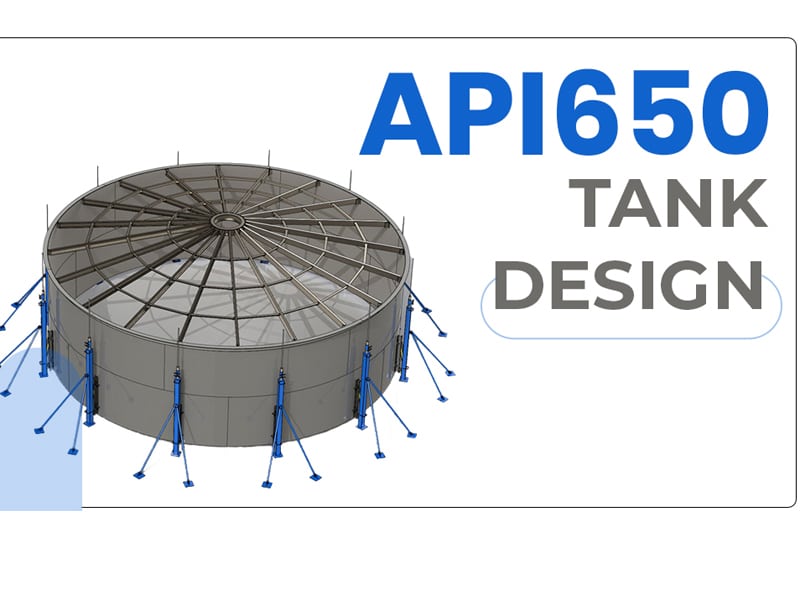
Tanques de almacenamiento de petróleo API 650 Standard
¿Tiene alguna pregunta?
Estaremos encantados de responder a cualquiera de sus preguntas relacionadas con nuestro inventario, nuestras ubicaciones o nuestra forma de hacer negocios.
¿Busca un presupuesto?
Le recomendamos que envíe un documento de solicitud de presupuesto a través de nuestro formulario RFQ.
Solicite presupuesto para su próximo proyecto de tanque de almacenamiento sobre tierra.