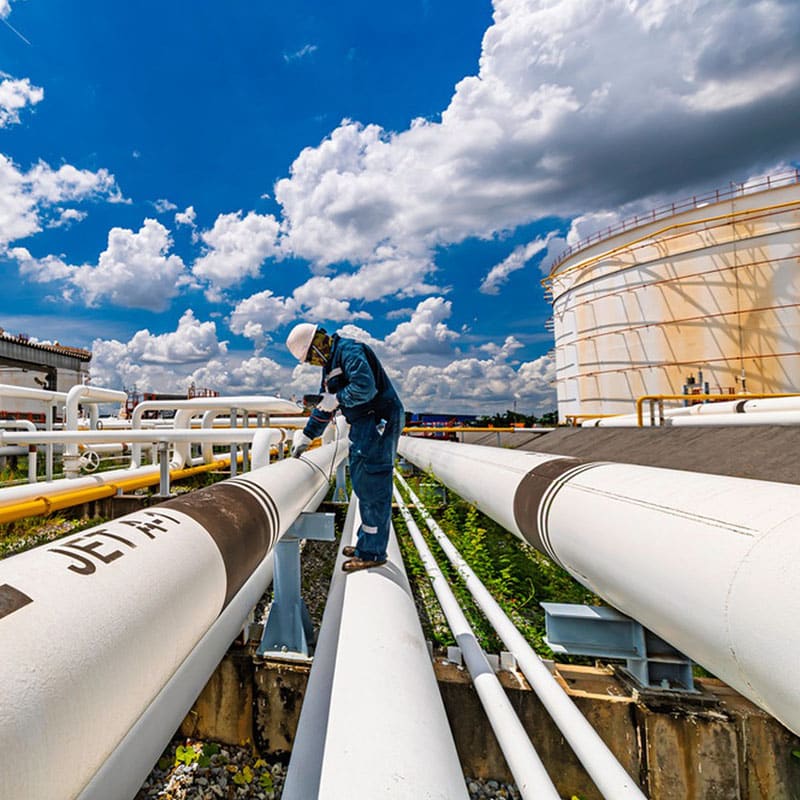
Conforme aux normes internationales
Sélection des matières premières pour les réservoirs de stockage verticaux
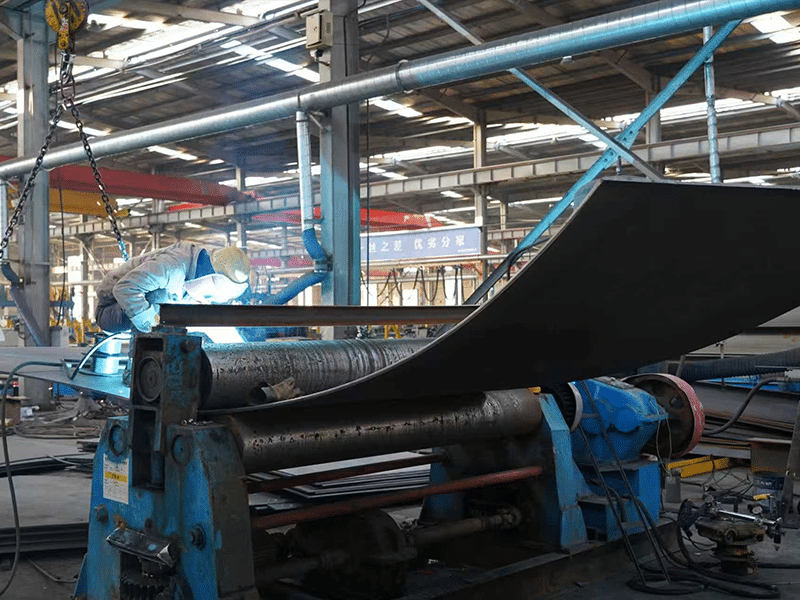
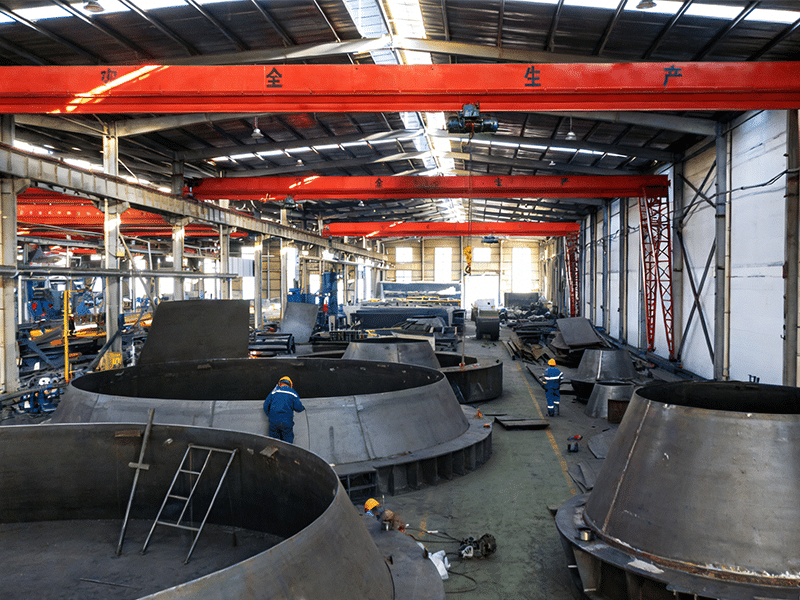
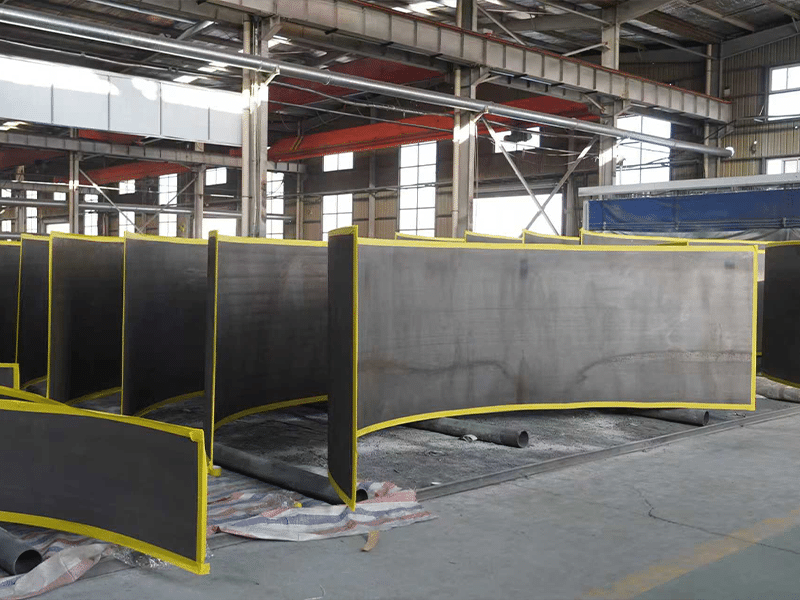
Sélection des matières premières pour les réservoirs de stockage verticaux
Catégorie : Réservoir de stockage vertical
Les réservoirs de stockage verticaux sont fabriqués à partir d'acier au carbone, d'acier inoxydable 304/316L ou d'acier à haute résistance faiblement allié, associés à des matériaux de soudage qualifiés et à des revêtements anticorrosion. Le processus comprend l'inspection des matériaux, la découpe CNC, le nivellement, le laminage, le soudage, les essais non destructifs, les essais de pression et la finition de surface, ce qui permet d'obtenir des réservoirs de stockage durables et étanches pour les applications industrielles.
Obtenir le meilleur prix
Vous avez besoin d'une solution personnalisée ou vous avez des exigences particulières ? Discutez avec nous sur WhatsApp ou envoyez-nous un message rapide. Vous pouvez nous contacter par :
Structure du produit
-
Assiettes en coquillage à étages: Des plaques d'acier de haute précision, sélectionnées pour leur épaisseur et leur ductilité, forment le corps cylindrique principal.
-
Structure de toit renforcée: Matériaux choisis pour leur capacité à supporter des charges environnementales telles que la neige ou le vent.
-
Plaques de sol à haute résistance: Matériaux à fond plat conçus pour assurer l'interface avec les fondations et résister au poids de la colonne de liquide complète.
-
Infrastructure de sécurité intégrée: Comprend les garde-corps périmétriques et les escaliers d'accès en acier galvanisé antidérapant.
-
Buses et voies d'accès de précision: Orifices à brides adaptés aux matériaux qui garantissent l'étanchéité des raccordements pour le remplissage et l'entretien.
Avantages du produit
-
Une intégrité structurelle exceptionnelle: L'utilisation d'acier au carbone Q235B ou Q345R permet d'obtenir la résistance à la traction nécessaire pour éviter la déformation de la coque sous pleine charge.
-
Optimisation de l'efficacité de l'espace: L'ingénierie verticale combinée à des matériaux très résistants permet d'obtenir des volumes de stockage massifs sur une surface au sol minimale.
-
Personnalisation de la résistance à la corrosion: Les matériaux peuvent être associés à des revêtements internes spécialisés en époxy ou à des revêtements externes en polyuréthane pour prévenir l'oxydation.
-
Évolutivité en fonction du site: Les méthodes de construction sur le terrain permettent de transporter et d'assembler des matières premières dans des réservoirs de plus de 50 000 m³.
-
Amélioration de la sécurité opérationnelle: Tous les matériaux sont soumis à des tests rigoureux, y compris des contrôles de soudure aux rayons X, afin de garantir une performance sans fuite.
Matériaux et spécifications
| Fonctionnalité | Spécifications |
| Grades d'acier primaire | Acier au carbone (Q235B, Q345R) ou acier inoxydable (SUS304, SUS316L) |
| Norme de fabrication | Construit selon les normes API 650, GB 50341, ou des normes mondiales équivalentes |
| Méthode de construction | Soudage de précision sur site / Montage sur site |
| Protocole d'essai | 100% Inspection des soudures par rayons X et essais hydrostatiques |
| Options de capacité | De 100m³ à 50 000m³+ (entièrement personnalisable) |
Paramètres techniques
-
Plage de température de travail: Les matériaux standard fonctionnent de -40°C à +90°C ; des systèmes d'isolation sont disponibles pour le contrôle des températures extrêmes.
-
Pression de conception: Principalement à la pression atmosphérique, avec une ingénierie personnalisée pour les besoins à basse pression.
-
Taux de charge environnementale: Conçu sur mesure pour répondre aux exigences locales en matière de charges sismiques et éoliennes en fonction de l'épaisseur du matériau.
Scénarios d'application
-
Industrie pétrochimique: Stockage en vrac de pétrole brut, de diesel, d'essence et de produits chimiques raffinés.
-
Gestion municipale de l'eau: Réservoirs à grande échelle pour l'eau potable, la protection contre les incendies et les eaux usées traitées.
-
Fabrication de produits chimiques: Confinement sécurisé des matières premières et des réactifs chimiques agressifs.
-
Énergie et production d'électricité: Gestion de l'eau déminéralisée et de l'approvisionnement en combustible auxiliaire pour les centrales électriques.
-
Logistique agricole: Stockage en vrac d'engrais liquides et réserves d'irrigation à l'échelle industrielle.
8000+
PROJETS DE RÉSERVOIRS ACHEVÉS
15+
EXPÉRIENCE EN MATIÈRE DE FABRICATION
121000+
SQ FT ESPACE DE FABRICATION
300+
EMPLOYÉS DE L'ENTREPRISE
Plus de produits
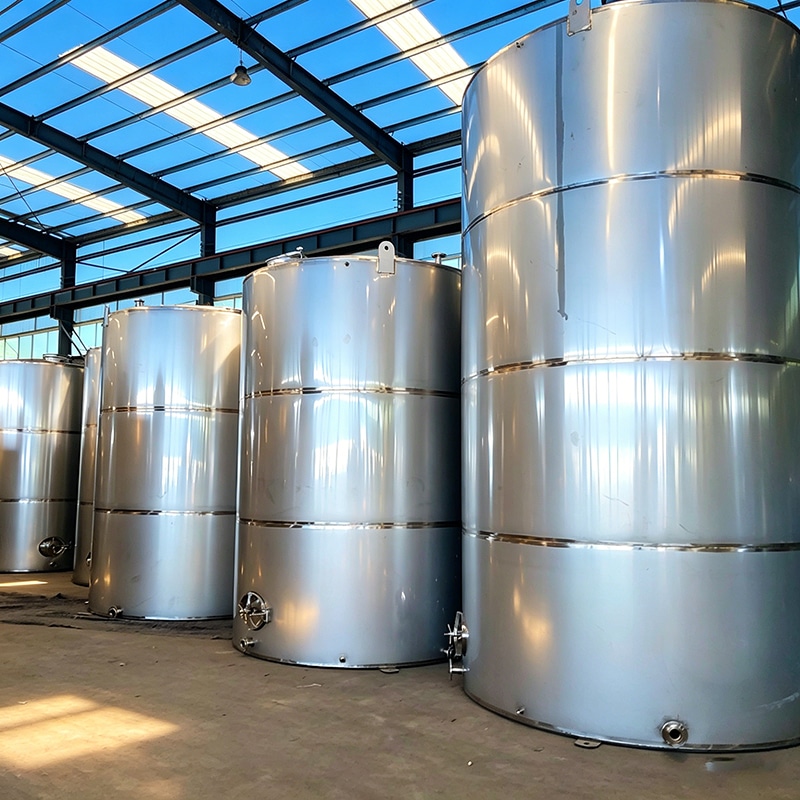
Réservoir d'eau vertical en acier inoxydable
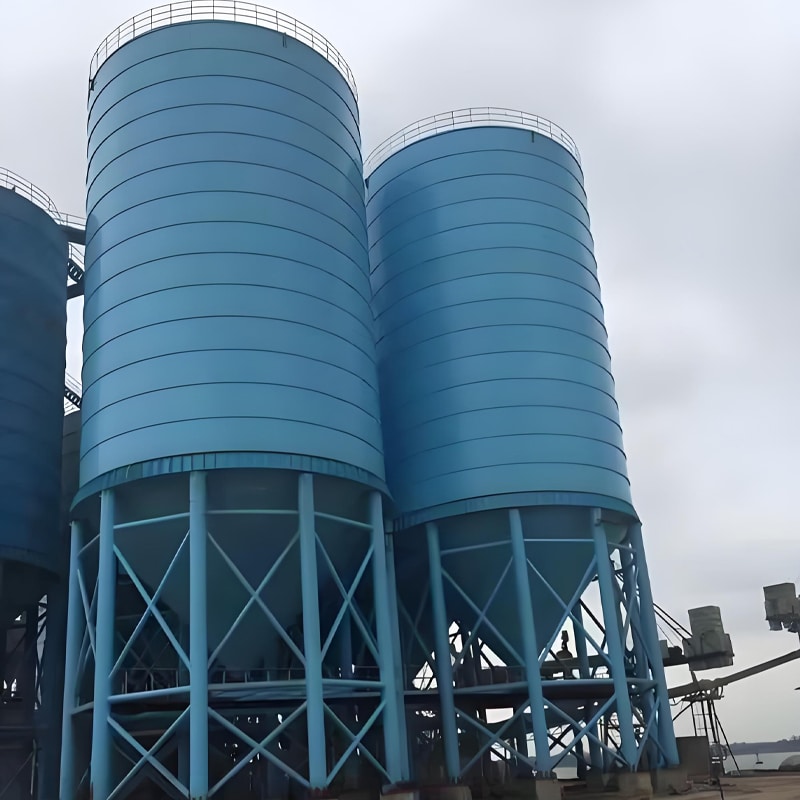
Grand réservoir vertical de stockage de cendres de poudres de charbon
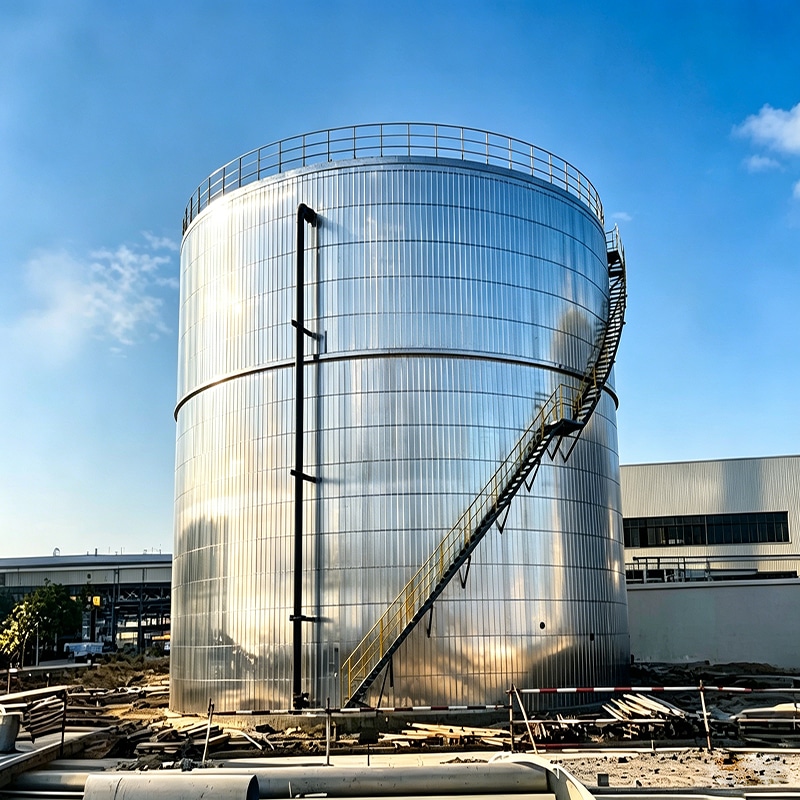
Réservoir de stockage vertical isolé
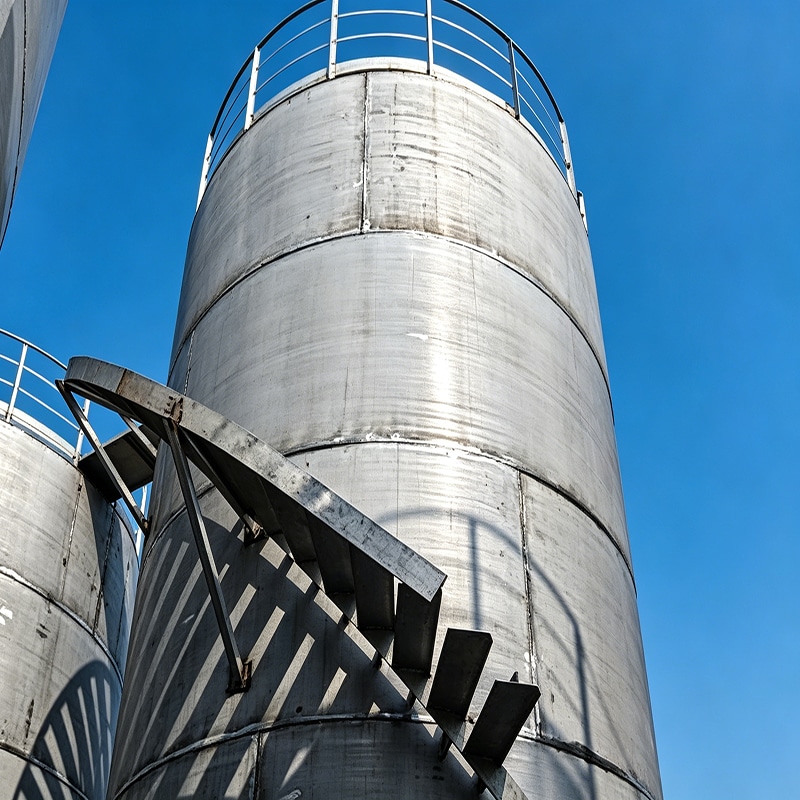
Grand réservoir de stockage vertical en acier inoxydable
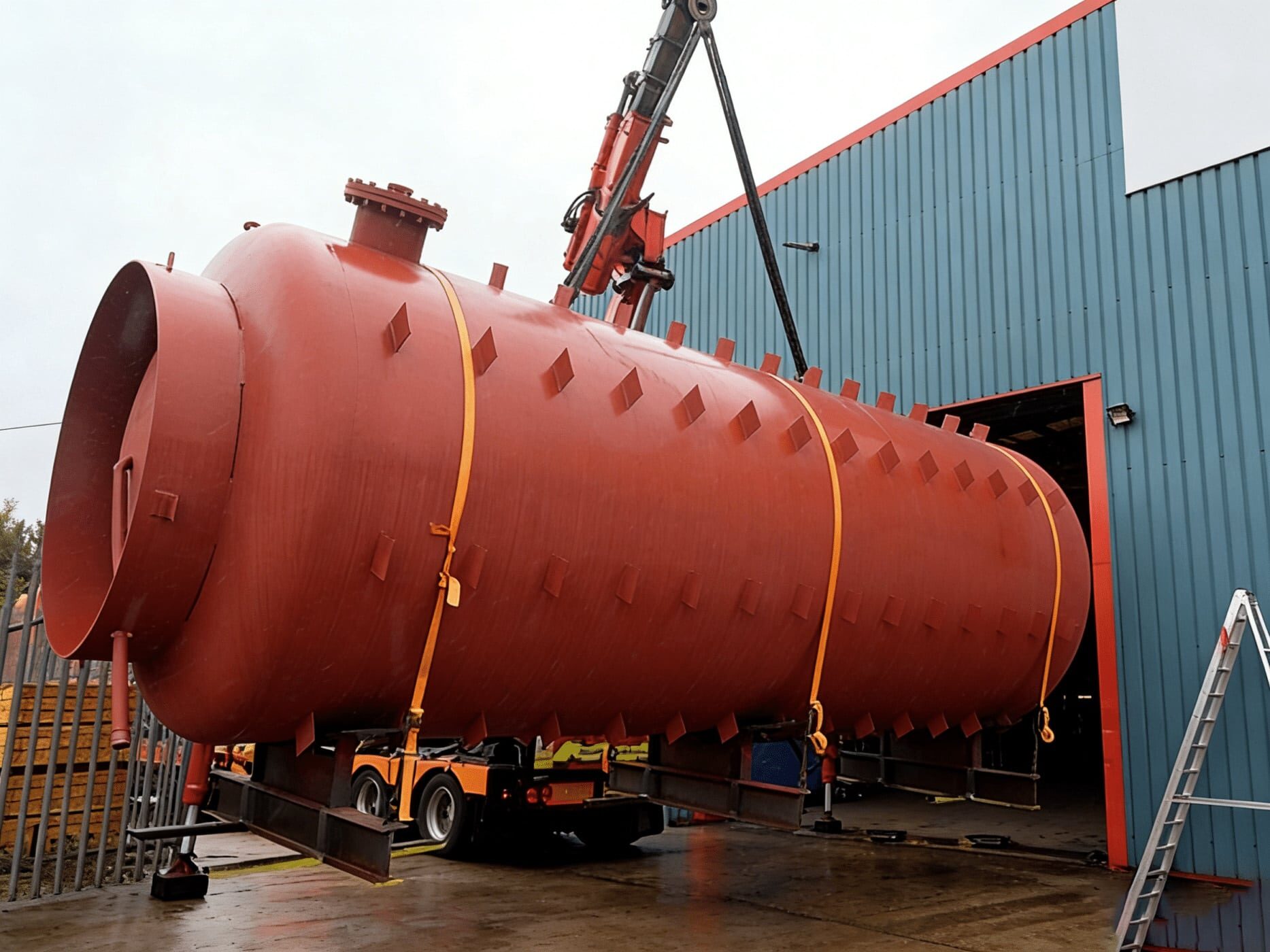
Appareils à pression de niveau industriel
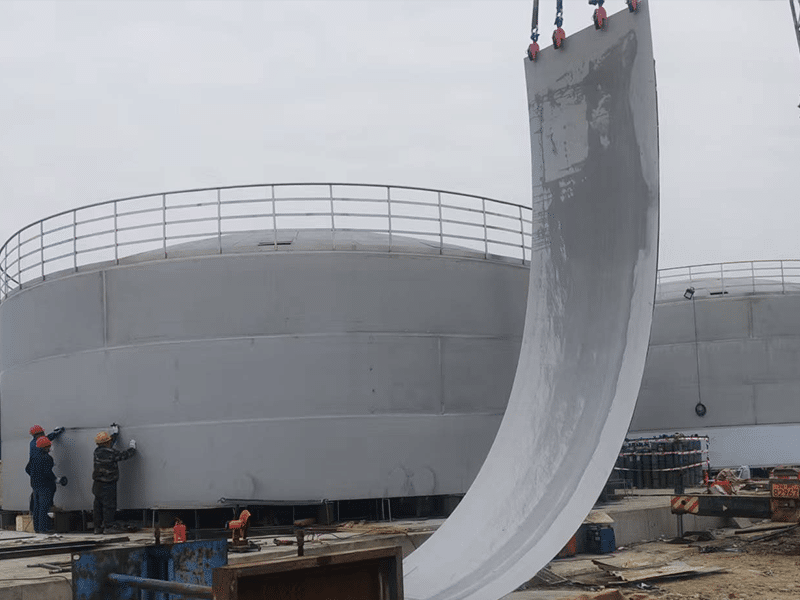
Fabrication de réservoirs de stockage en acier inoxydable
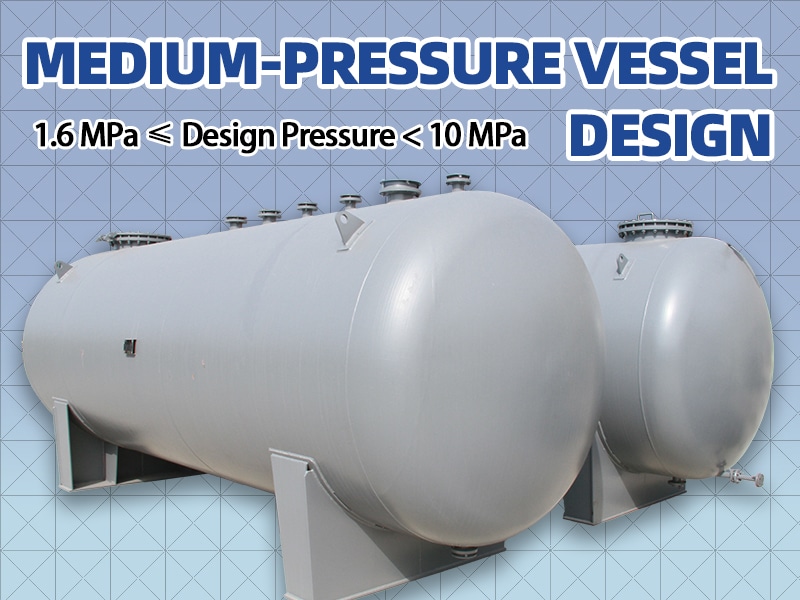
Récipient industriel à basse pression
Avez-vous des questions ?
Que vous envisagiez d'utiliser des réservoirs de stockage pour votre prochain projet ou que vous souhaitiez en savoir plus sur nos solutions, nous nous ferons un plaisir de répondre à toutes vos questions en détail.
Besoin d'un devis personnalisé pour votre projet de réservoir de stockage ?
Il vous suffit de nous faire part de vos besoins en remplissant notre formulaire de demande, et nous vous répondrons rapidement en vous proposant une offre complète et personnalisée.