Conforme aux normes internationales
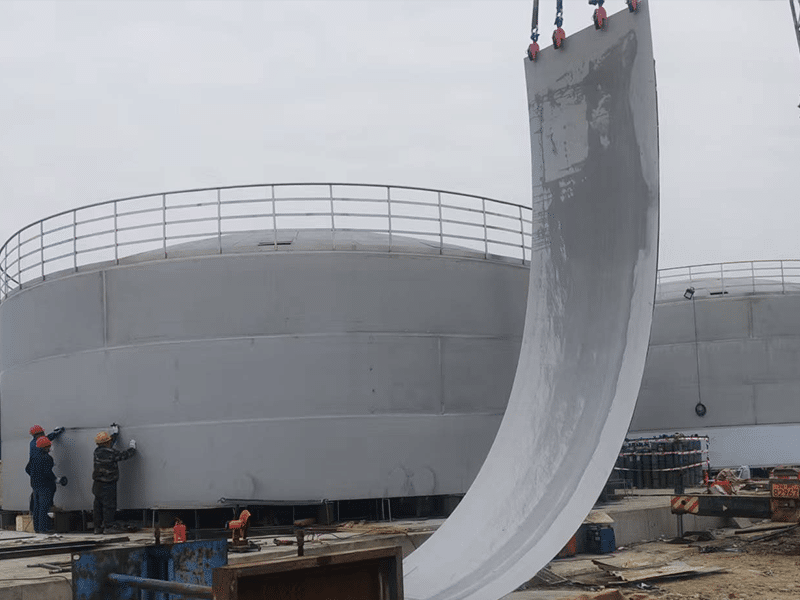
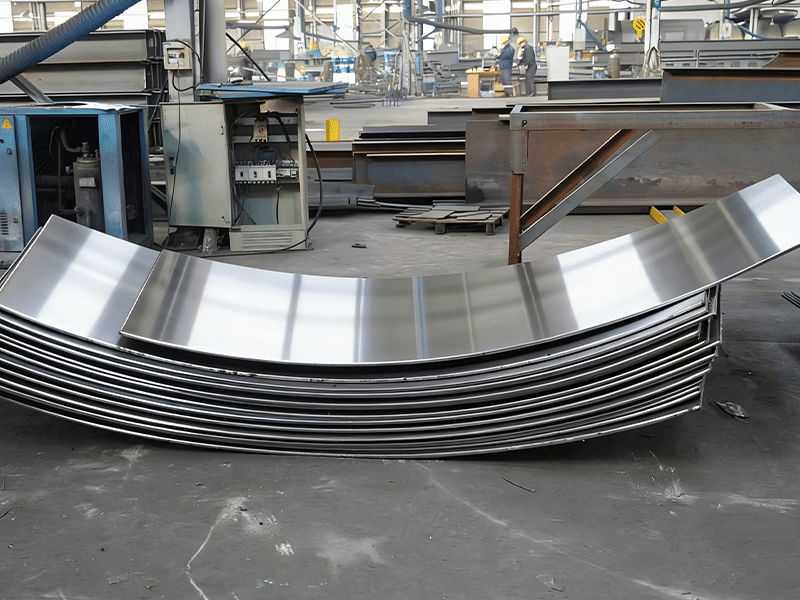
Fabrication de réservoirs de stockage en acier inoxydable

Fabrication de réservoirs de stockage en acier inoxydable
Catégorie : Réservoir de stockage vertical
Les cuves de stockage en acier inoxydable sont conçues sur mesure pour répondre aux exigences spécifiques des clients. Ces cuves sont spécialement destinées aux secteurs industriels qui imposent des exigences extrêmement élevées en matière de pureté, d'hygiène et de résistance à la corrosion. Nous utilisons des techniques de soudage de pointe et des procédés de traitement de surface de haute précision pour transformer de l'acier inoxydable de haute qualité en cuves de stockage robustes.
Obtenir le meilleur prix
Vous avez besoin d'une solution personnalisée ou vous avez des exigences particulières ? Discutez avec nous sur WhatsApp ou envoyez-nous un message rapide. Vous pouvez nous contacter par :
Structure du produit
-
Corps cylindrique de qualité sanitaire: Fabriqué à partir de tôles en acier inoxydable de première qualité, avec des soudures internes lisses pour empêcher la prolifération bactérienne et l'accumulation de résidus.
-
Fonds de réservoir renforcés: Choix entre des têtes coniques, torisphériques ou plates, usinées avec précision pour répondre à des exigences spécifiques en matière de pression et de drainage.
-
Réseau de buses haute pureté: Raccords Tri-Clamp, à bride ou filetés, conçus pour une intégration étanche aux équipements de traitement.
-
Systèmes d'agitation et de chauffage internes: Enveloppes alvéolées en option pour le contrôle de la température et des roues sur mesure pour assurer l'homogénéité du fluide.
-
Trous d'homme et hublots d'inspection: Trappes d'accès à fermeture rapide, conçues pour résister à la pression, équipées de hublots haute visibilité permettant une surveillance en temps réel.
-
Cadre de soutien ergonomique: Pieds en acier inoxydable équipés de patins de mise à niveau réglables ou de supports de jupe robustes pour une stabilité maximale.
Avantages du produit
-
Hygiène et facilité de nettoyage optimales: La surface non poreuse et la finition de soudure spécialisée (Ra < 0,4 μm) permettent une stérilisation CIP/SIP (Clean-In-Place) complète, indispensable dans les secteurs alimentaire et médical.
-
Résistance exceptionnelle à la corrosion: Résistant à l'oxydation et aux agressions chimiques causées par les acides, les alcalis et l'humidité, ce qui rend inutile l'application de revêtements externes.
-
Aucune contamination: L'acier inoxydable ne libère aucun produit chimique dans le produit stocké, ce qui permet de préserver la saveur, la couleur et la pureté chimique de votre produit.
-
Fabrication de haute précision: Chaque réservoir est soumis à des essais de pression rigoureux, à un traitement de passivation et à un polissage de surface afin de garantir une finition irréprochable.
-
Durabilité à vie: Bien qu'ils ne nécessitent qu'un entretien minimal, ces réservoirs ont une durée de vie pratiquement illimitée, ce qui garantit un excellent retour sur investissement à long terme.
Matériaux et spécifications
| Fonctionnalité | Spécifications |
| Matériaux primaires | Acier inoxydable SUS304, SUS316L, 904L ou duplex |
| Finition de la surface | Décapage industriel, finition 2B, polissage miroir 400# ou électropolissage |
| Options de capacité | De 50 à plus de 150 000 litres (dimensions sur mesure disponibles) |
| Norme de fabrication | Conformité aux normes ASME VIII, ISO 9001, CE ou PED |
| Épaisseur de la paroi | 3 mm à 20 mm (conçu pour résister à des pressions nominales) |
Paramètres techniques
-
Plage de température de travail: de -196 °C (cryogénique) à +350 °C (matériaux sélectionnés en fonction des contraintes thermiques).
-
Pression de conception: De la pression atmosphérique à la haute pression (3,0 MPa et plus pour les récipients destinés à l'autoclave).
-
Plage de pH compatible: pH 1 à pH 14 (selon la nuance d'acier inoxydable).
Scénarios d'application
-
Alimentation et boissons: Stockage de lait, de vin, de bière, de jus de fruits et d'huiles alimentaires nécessitant une certification alimentaire.
-
Pharmacie et biotechnologies: Stockage d'eau stérile (WFI), de vaccins et de principes actifs pharmaceutiques.
-
Industrie cosmétique: Mélange et stockage de crèmes, de lotions et de produits chimiques de haute pureté.
-
Produits chimiques et produits de chimie fine: Manipulation de solvants corrosifs, d'acides de haute pureté et de réactifs volatils.
-
Traitement de l'eau: Réservoirs haut de gamme pour les systèmes d'eau ultra-pure ou d'eau déminéralisée.
8000+
PROJETS DE RÉSERVOIRS ACHEVÉS
15+
EXPÉRIENCE EN MATIÈRE DE FABRICATION
121000+
SQ FT ESPACE DE FABRICATION
300+
EMPLOYÉS DE L'ENTREPRISE
Plus de produits
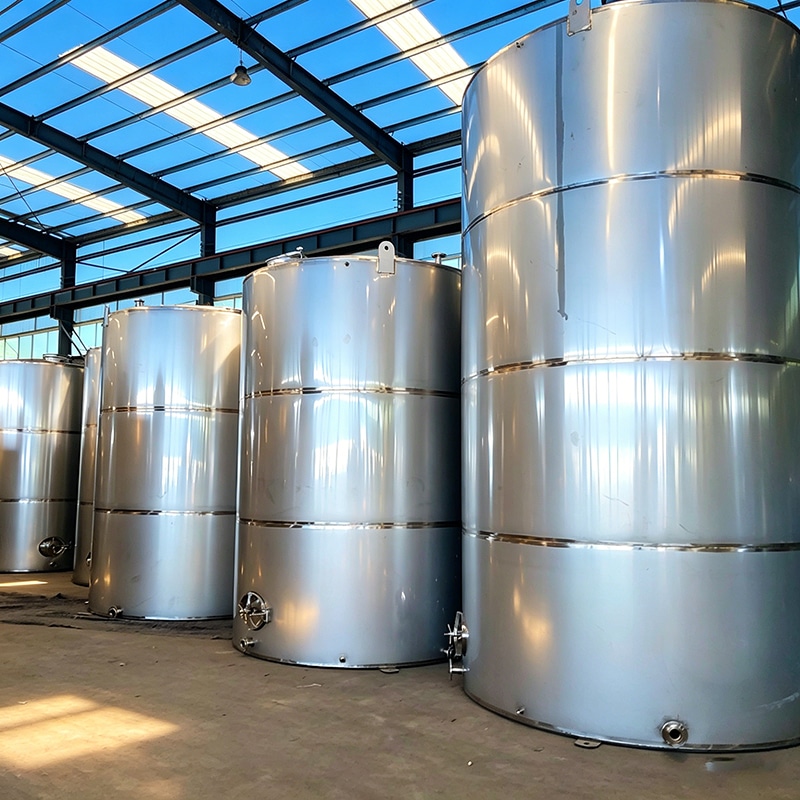
Réservoir d'eau vertical en acier inoxydable
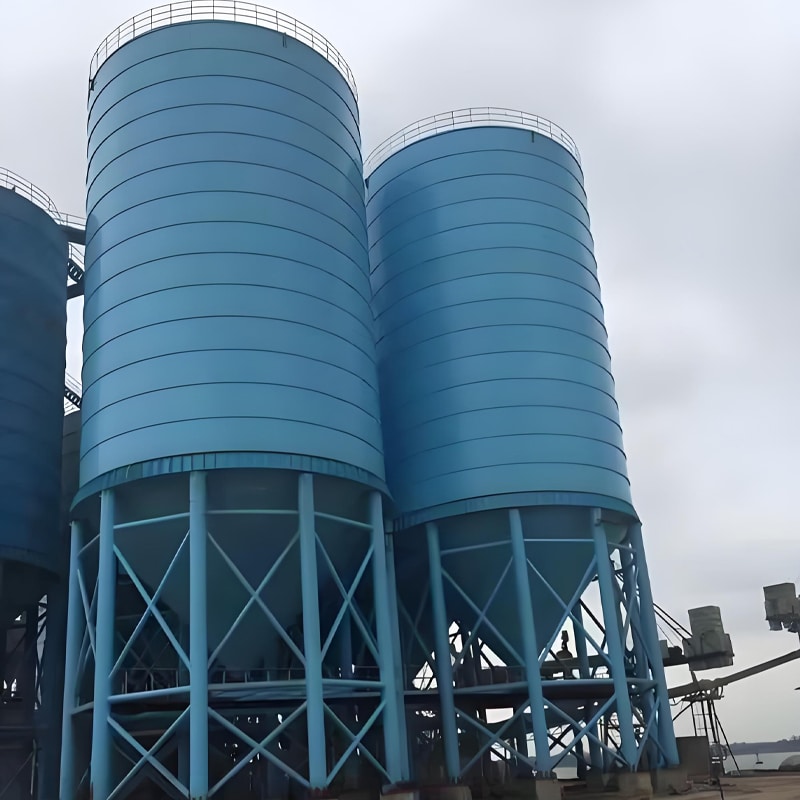
Grand réservoir vertical de stockage de cendres de poudres de charbon
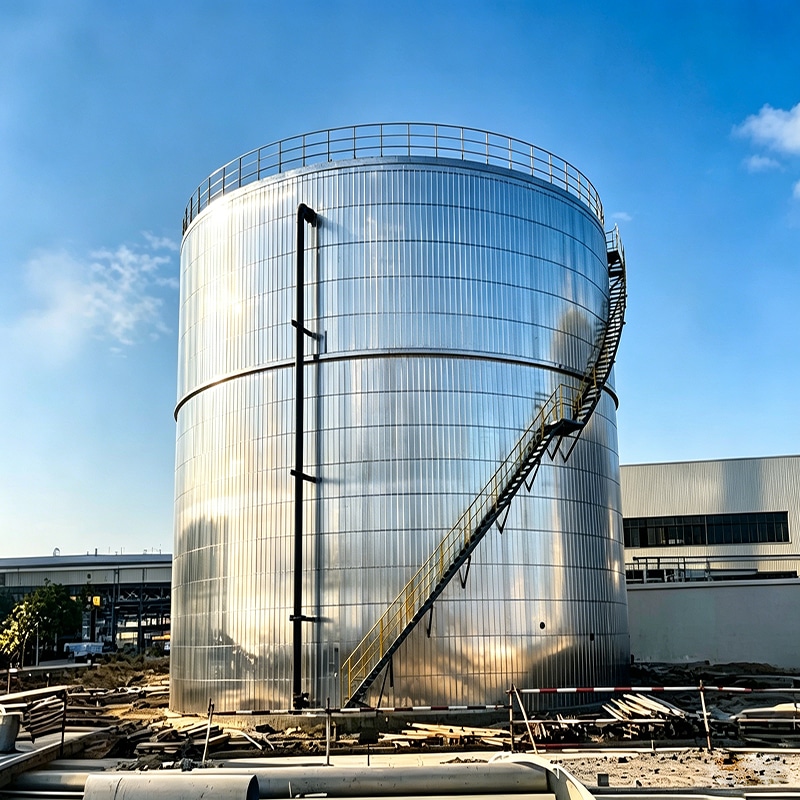
Réservoir de stockage vertical isolé
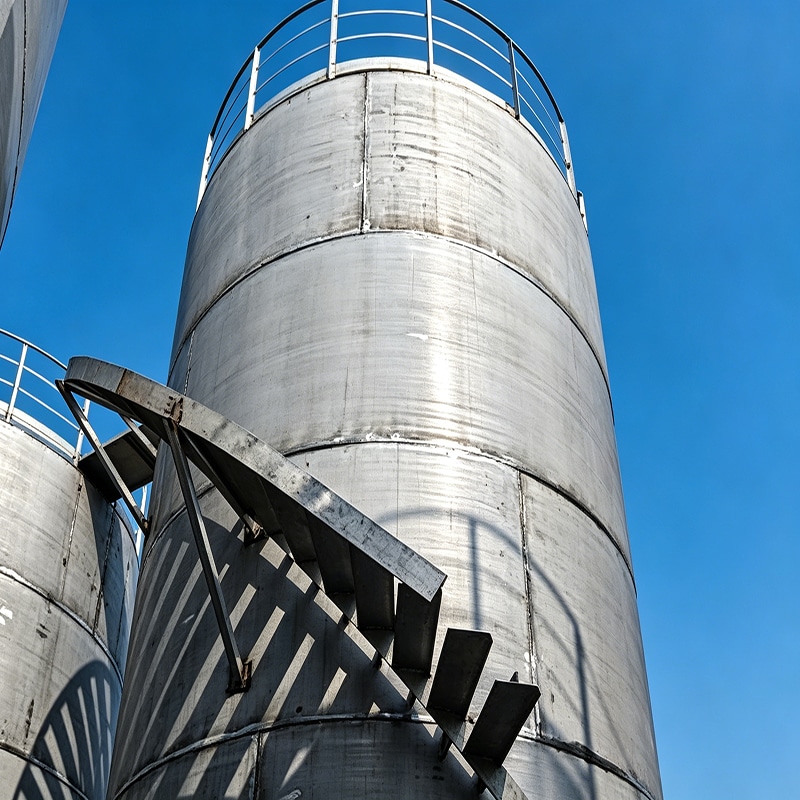
Grand réservoir de stockage vertical en acier inoxydable
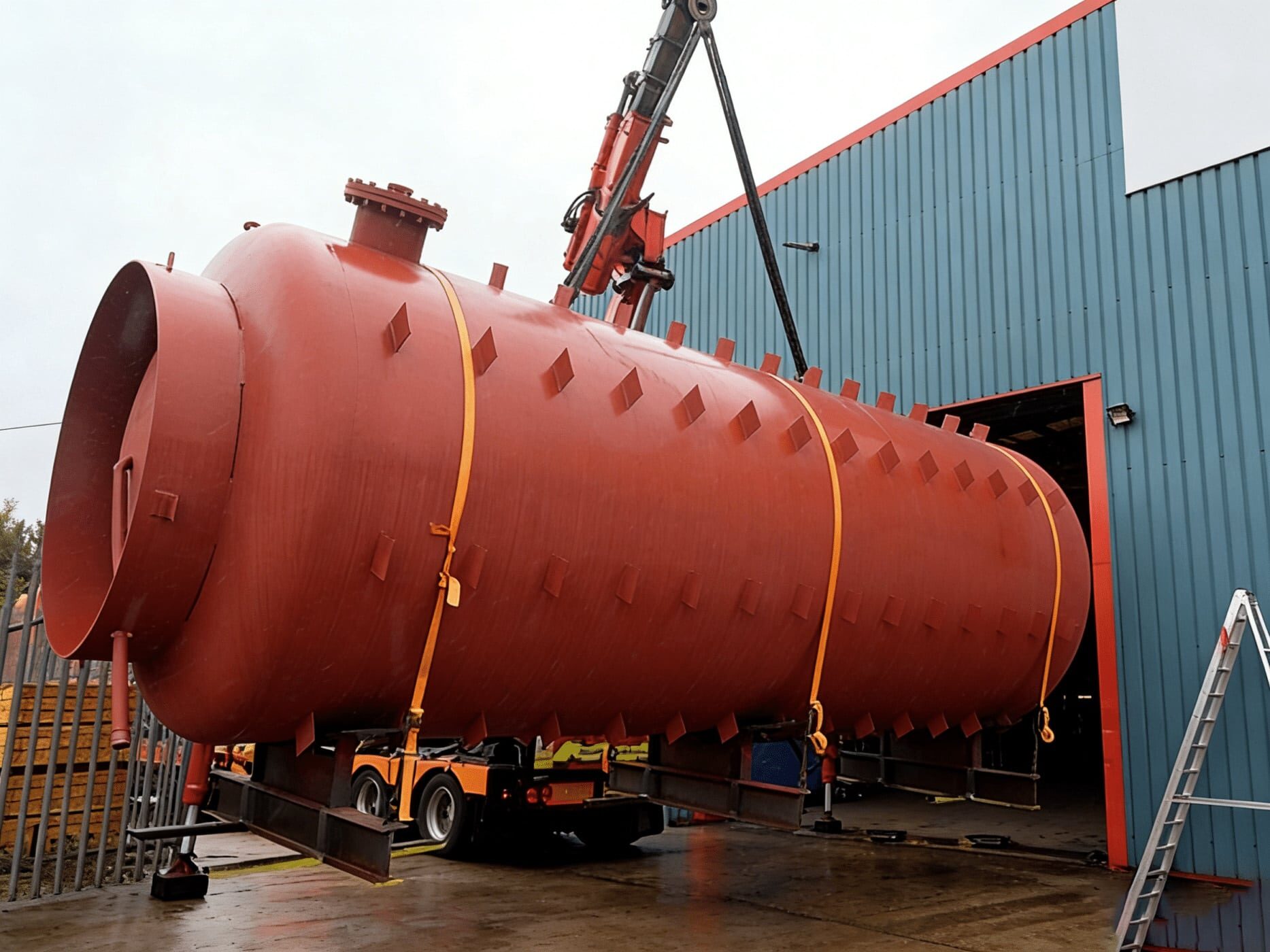
Appareils à pression de niveau industriel
Fabrication de réservoirs de stockage en acier inoxydable
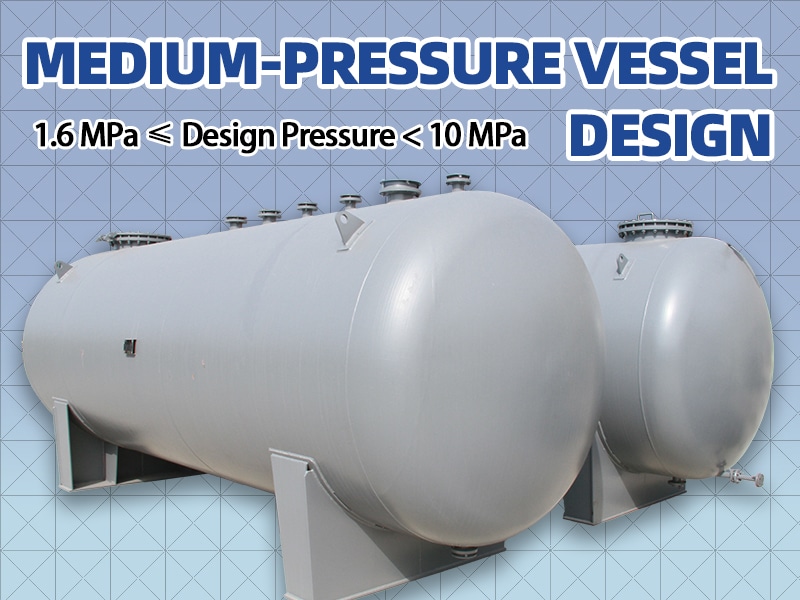
Récipient industriel à basse pression
Avez-vous des questions ?
Que vous envisagiez d'utiliser des réservoirs de stockage pour votre prochain projet ou que vous souhaitiez en savoir plus sur nos solutions, nous nous ferons un plaisir de répondre à toutes vos questions en détail.
Besoin d'un devis personnalisé pour votre projet de réservoir de stockage ?
Il vous suffit de nous faire part de vos besoins en remplissant notre formulaire de demande, et nous vous répondrons rapidement en vous proposant une offre complète et personnalisée.