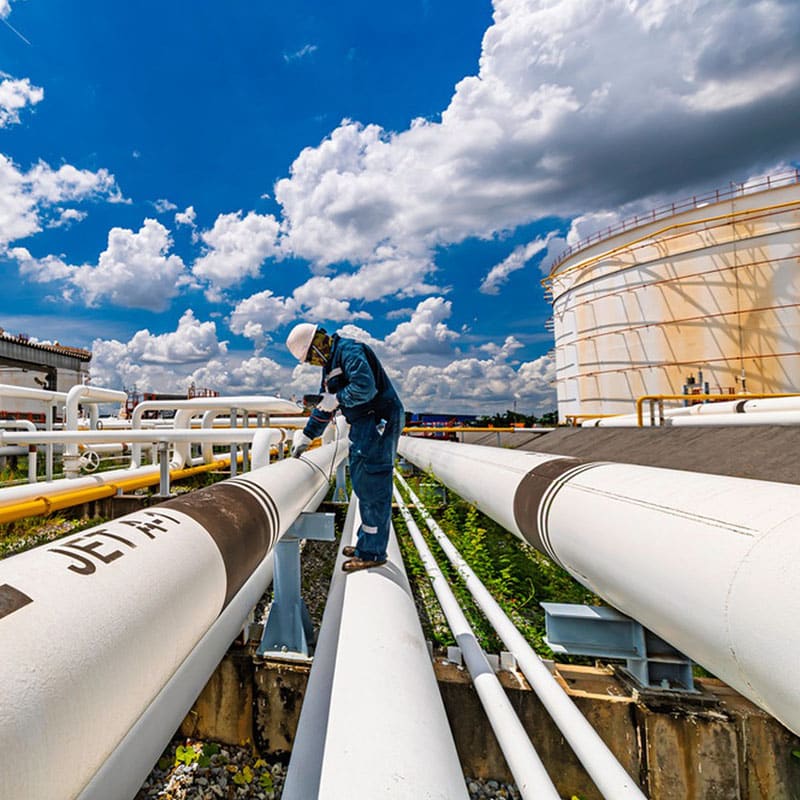
8000+
PROJETS DE RÉSERVOIRS ACHEVÉS
NOTRE CONCEPTION
Les grands réservoirs de stockage verticaux sont les ouvrages d'art, et non des produits standardisés.
Notre philosophie en matière de conception est axée sur la sécurité, la conformité, la durabilité et la constructibilité, Le système de contrôle de la qualité de l'eau permet de garantir que chaque réservoir fonctionne de manière fiable tout au long de sa durée de vie.
Chaque réservoir est conçu en fonction :
Un bureau d'études de haut niveau doit combler le fossé entre la “théorie technique” et la “réalité industrielle”. Nous considérons les grands réservoirs de stockage verticaux comme des structures d'ingénierie à haut risque, et non comme des produits prêts à l'emploi.
Notre philosophie de conception repose sur un principe fondamental : la sécurité technique et la fiabilité à long terme doivent toujours primer sur la réduction des coûts.
Nous concevons et réalisons des travaux d'ingénierie conformément aux codes les plus stricts du monde, en veillant à ce que votre infrastructure réponde à la fois aux critères de qualité internationaux et aux exigences réglementaires locales, y compris, mais sans s'y limiter :
Les normes de conception sont sélectionnées sur la base des éléments suivants
Les conceptions de réservoirs de stockage que nous proposons garantissent non seulement une sécurité, une fiabilité et une adaptabilité élevées, mais répondent également aux exigences spécifiques de divers projets.
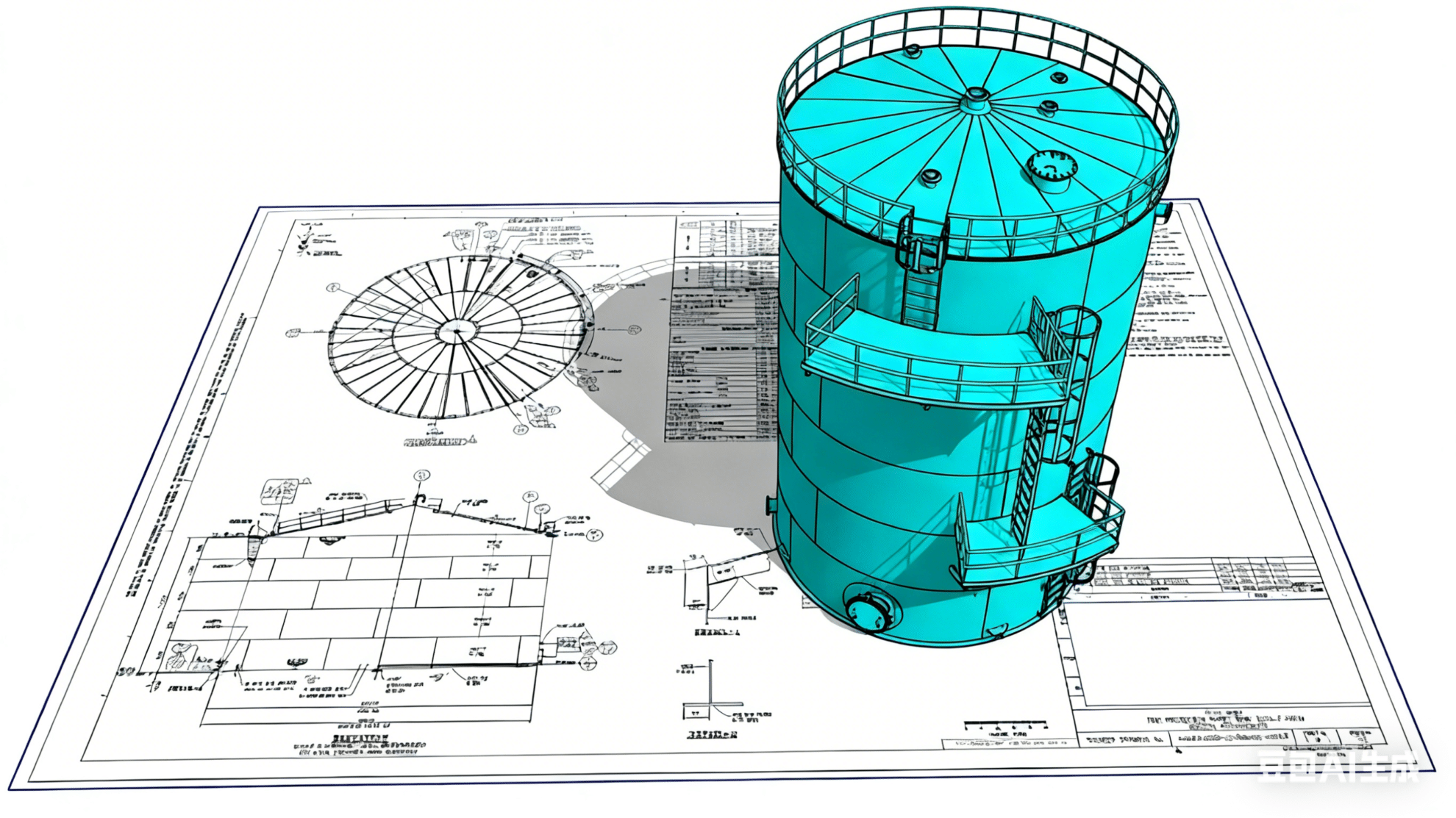
La conception précise d'un réservoir commence par des données techniques clairement définies. Les paramètres clés de la conception sont les suivants
Ces paramètres constituent la base de tous les calculs structurels et de la sélection des matériaux.
L'épaisseur de la paroi de chaque partie du réservoir de stockage (y compris la paroi, le fond et le sommet du réservoir) a été calculée avec précision grâce à une analyse technique détaillée, et les normes de conception correspondantes ont été utilisées pour sélectionner l'épaisseur appropriée.
Notre processus de conception structurelle comprend
Toutes les valeurs d'épaisseur sont vérifiées pour satisfaire ou dépasser les exigences minimales du code.
Chaque épaisseur de tôle est définie par calcul et non par hypothèse.
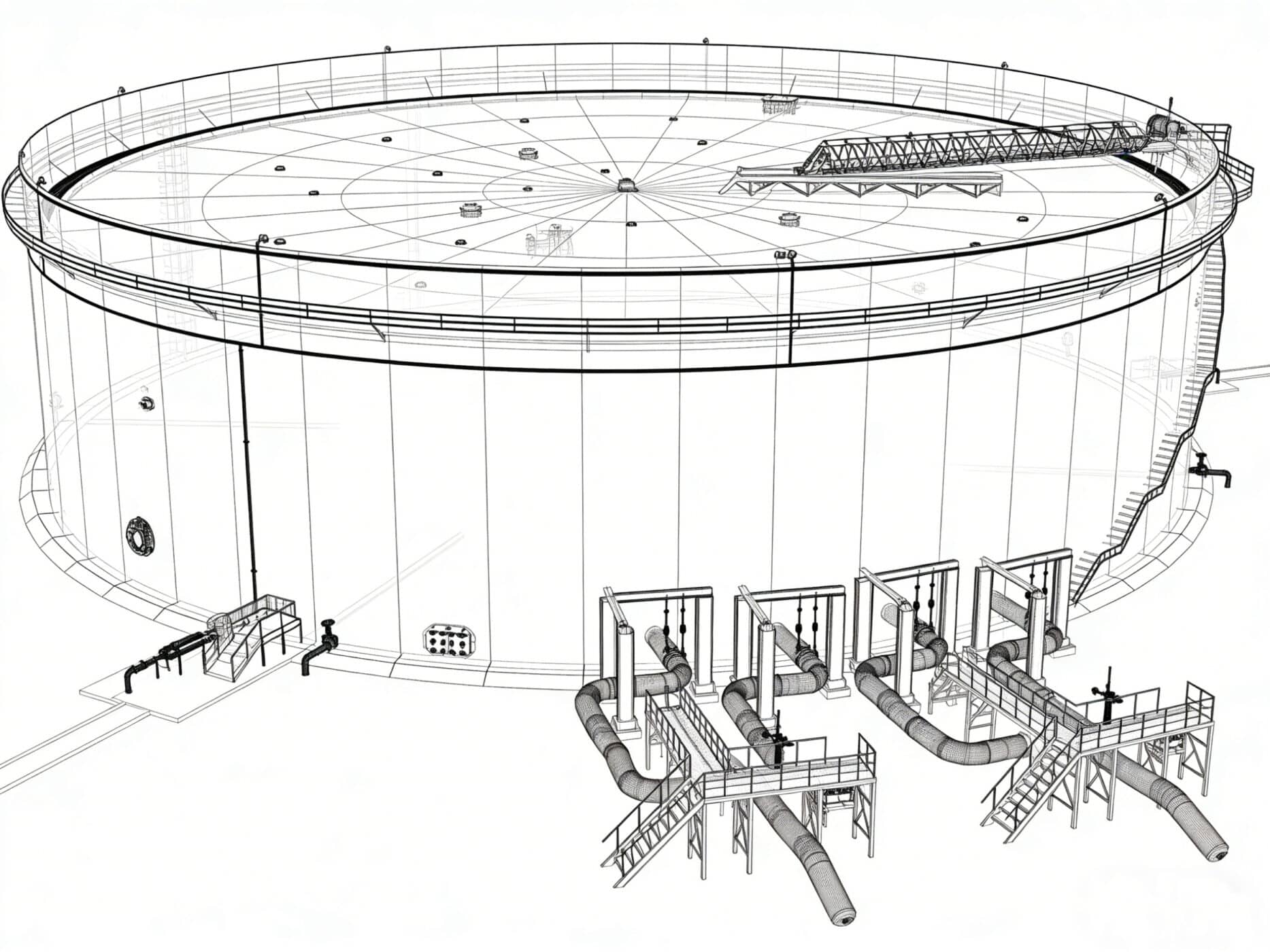
Sur la base des exigences réelles du projet, nous avons effectué un travail de conception et d'intégration spécialisé et personnalisé pour différents types et conditions de fonctionnement des systèmes de stockage, en veillant à ce que les systèmes de stockage puissent répondre pleinement aux attentes du projet en termes de sécurité, de praticité, d'économie et de maintenabilité, et qu'ils puissent également répondre aux exigences en matière de stockage, de transport et de processus connexes des produits :
Systèmes de toiture
Structure du fond
Accessoires et équipements
Tous les composants sont conçus comme un système intégré pour garantir la sécurité, l'accessibilité et la facilité d'entretien. Tous les composants sont conçus comme un système intégré pour garantir la sécurité, l'exploitabilité et la facilité d'entretien. Satisfaire pleinement aux exigences opérationnelles du stockage, du transport et des processus connexes.
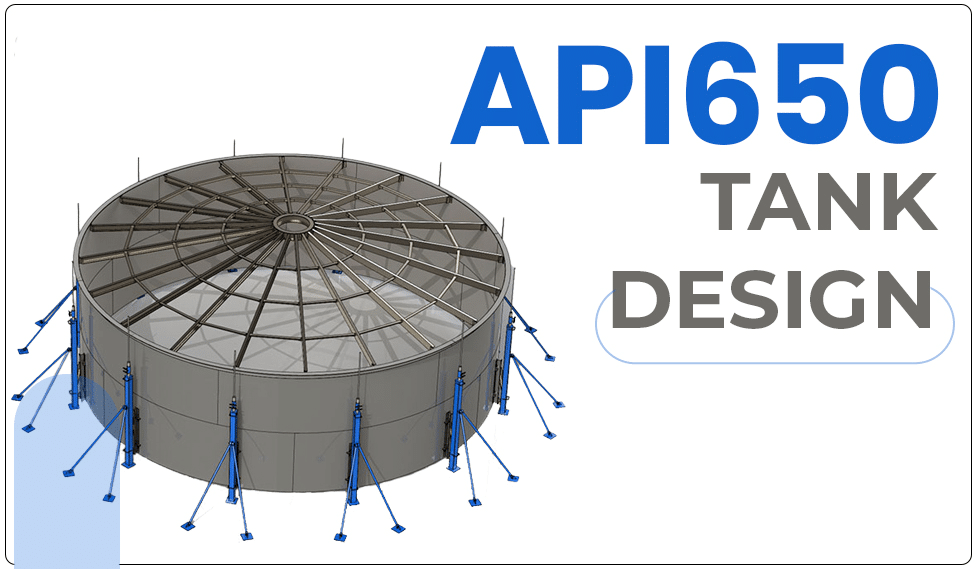
CONSEILS ET RESSOURCES SUR LES RÉSERVOIRS
Inquire Now Pour un devis détaillé sur vos projets de réservoirs de stockage en surface.