Conforme aux normes internationales
Fabrication de cuves à basse pression
Fabrication de cuves à basse pression
Catégorie : récipient sous pression
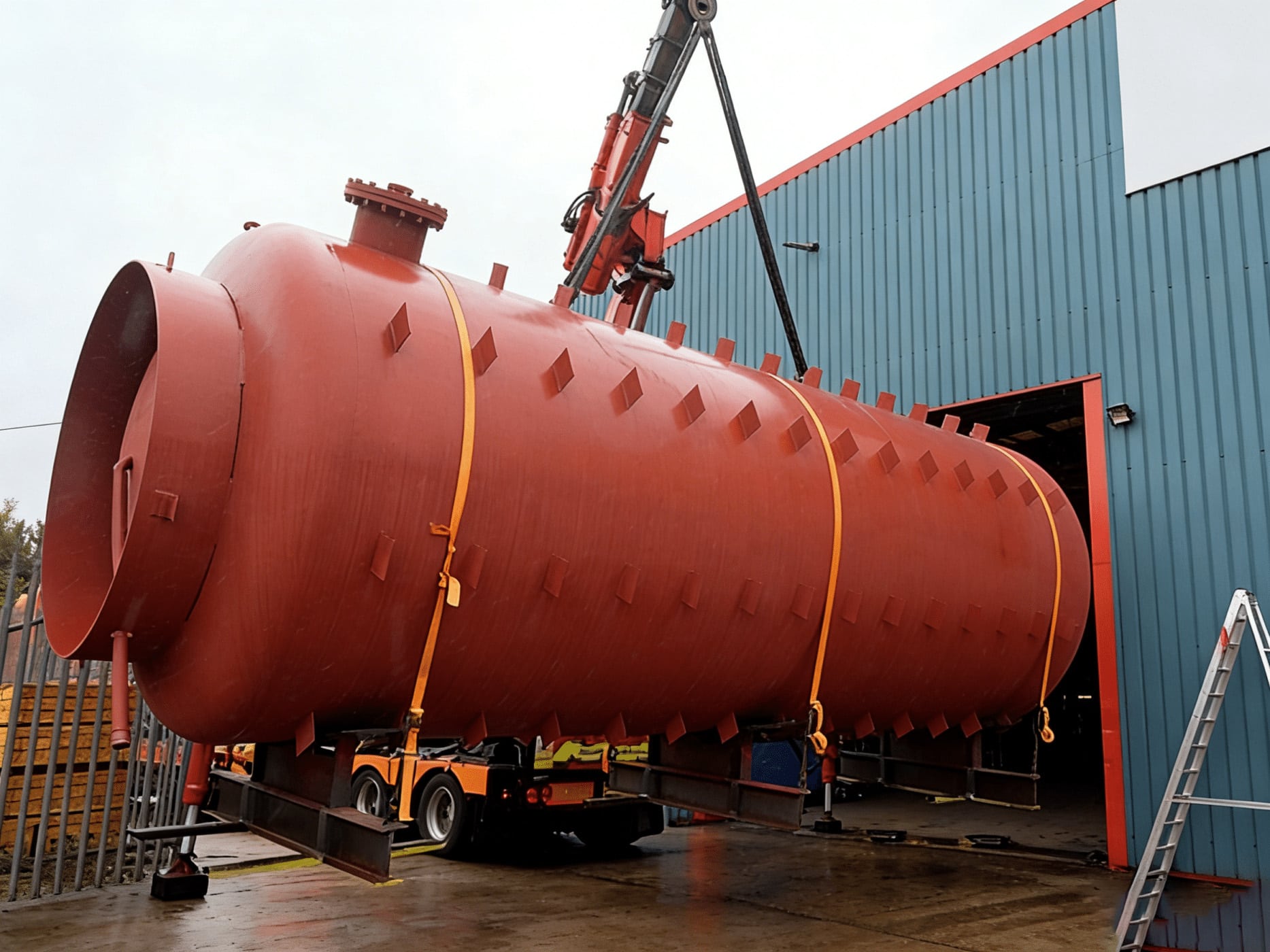
Low-pressure vessel manufacturing refers to the production process of pressure vessels with a design pressure ranging from 0.1 MPa to 1.6 MPa. It is based on strict compliance with national and industry standards (such as GB 150 and ASME Ⅷ), and ensures quality throughout the entire process, including raw material inspection, cutting and forming, welding…
Obtenir le meilleur prix
Vous ne trouvez pas ce que vous cherchez ? Laissez-nous vous aider. Appelez-nous par WhatsApp ou envoyez-nous un message :
I. Standards and Specifications (Basic Bases)
Domestic Standards
- GB 150《Pressure Vessels》: General requirements covering the entire process, including design, manufacturing, and inspection.
- GB 151《Heat Exchangers》: Specific requirements for heat exchanger-type pressure vessels.
- TSG 21《Safety Technical Code for Fixed Pressure Vessels》: Statutory regulatory requirements that must be strictly adhered to.
- GB/T 15704《Steel Forgings for Pressure Vessels》: Requirements for material quality.
International Standards
- ASME Ⅷ《Pressure Vessels》: Widely recognized globally, applicable to exported products.
- EN 13445《Pressure Equipment Directive》: Standard of the European Union.
II. Material Requirements (Core Foundation)
Material Selection
- Common Materials: Q345R (Low-alloy High-strength Steel for Vessels), 16MnR, Stainless Steel (304/316L), Carbon Steel, etc.
- Material Requirements: Must possess good strength, toughness, and weldability, and be accompanied by valid material certificates (quality assurance documents).
Material Inspection
- Incoming Inspection: Verify material certificates, perform spectral analysis, and conduct mechanical property tests.
- Unauthorized Use of Unqualified or Counterfeit Materials is Strictly Prohibited.
III. Manufacturing Equipment and Processes
Main Equipment
- Cutting Equipment: CNC Plasma Cutters, Laser Cutters (to ensure precision of material cutting).
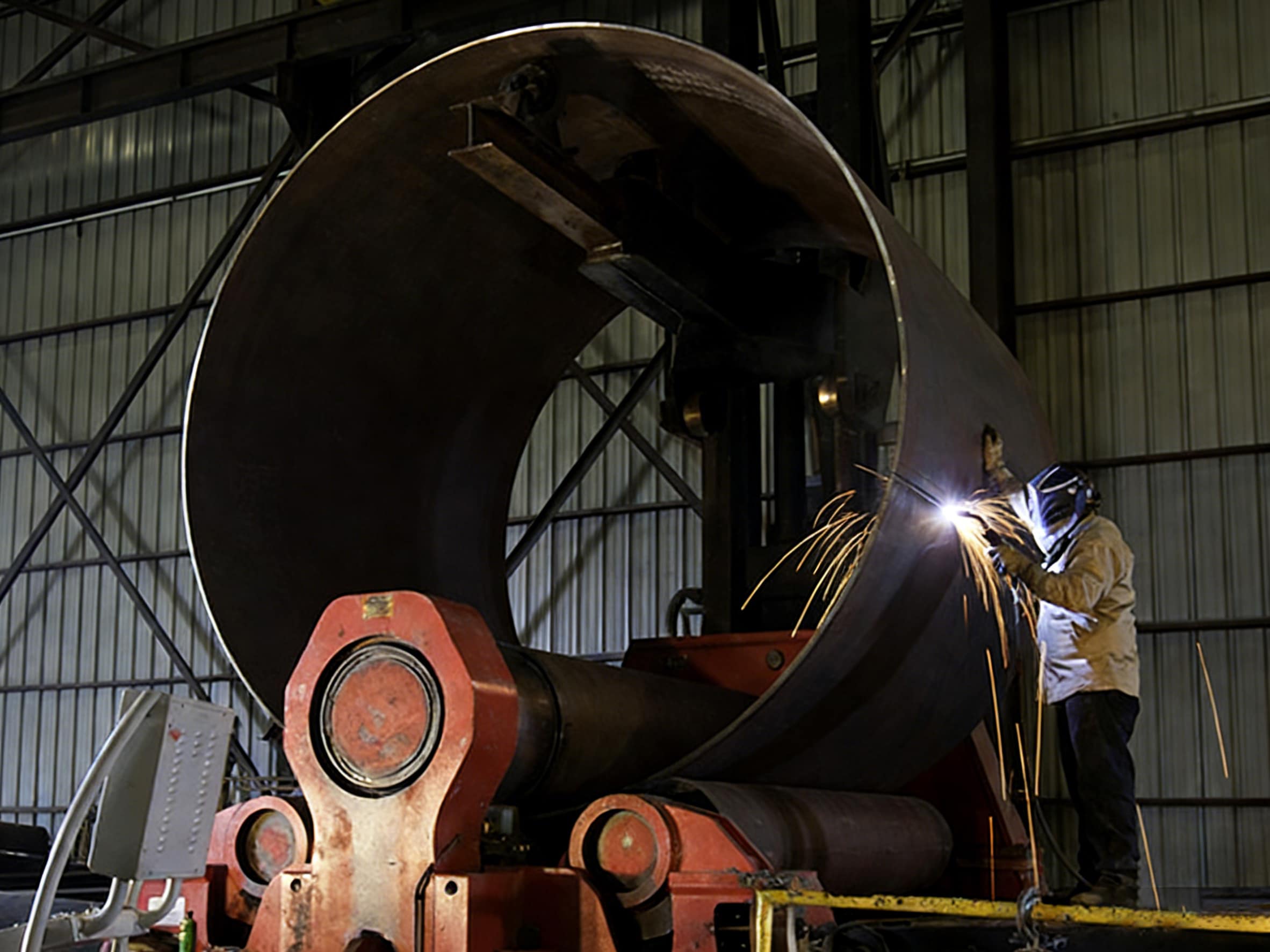
- Forming Equipment: Plate Bending Machines (for rolling cylinders), Head Spinning Machines (for forming heads).
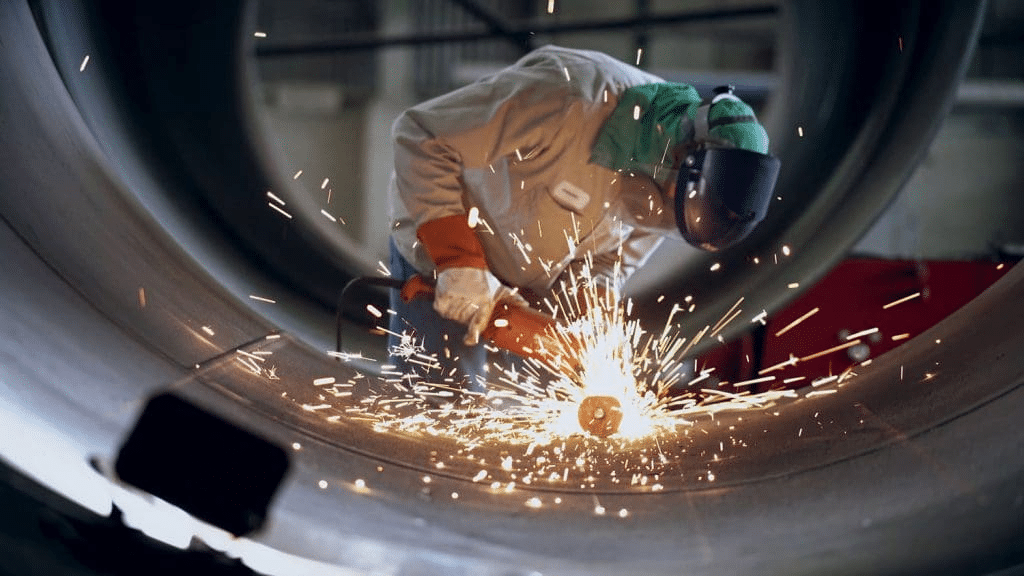
- Welding Equipment: Automatic Welding Machines, TIG Welding Machines (to ensure welding quality).
- Machining Equipment: Lathes, Milling Machines, Drilling Machines (for processing accessories).
- Inspection Equipment: Non-destructive Testing (NDT) Equipment (UT/MT/PT/RT), Hardness Testers, Thickness Gauges.
Key Processes
- Cutting: Precision cutting to avoid material waste.
- Forming: Cylinder rolling and head forming to ensure dimensional accuracy.
- Welding: Strictly execute Welding Procedure Specifications (WPS), adopt multi-layer and multi-pass welding to avoid welding defects.
- Heat Treatment: Eliminate welding stresses and improve material properties (e.g., annealing, tempering).
IV. Personnel Requirements (Necessary Qualifications)
Certificated Employment
- Welders: Must hold a Special Equipment Welding Operator Certificate with a welding scope that covers the products.
- Inspectors: Must hold a Special Equipment Inspector Certificate and be responsible for non-destructive testing and visual inspection.
- Designers: Must possess qualifications in pressure vessel design.
- Managers: Must be familiar with relevant standards and regulations.
Professional Training
- All personnel must receive regular professional training to keep abreast of the latest standards and operating procedures.
V. Quality Control Process
In-process Inspection
- Raw Material Inspection: Verify material certificates and conduct mechanical property tests.
- Cutting Inspection: Check dimensions and groove angles.
- Welding Inspection: Perform visual inspection and non-destructive testing (UT/MT/PT/RT).
- Forming Inspection: Check dimensional accuracy and surface quality.
Final Product Inspection
- Hydrostatic Test: Conducted via water pressure testing or pneumatic testing to verify tightness and strength.
- Air Tightness Test: To check for leaks.
- Visual Inspection: Ensure the surface is free of defects and dimensions meet requirements.
Documentation
- Complete quality certification documents must be issued, including material certificates, welding records, inspection reports, and certificates of conformity.
VI. Safety and Environmental Protection Requirements
Safety Requirements
- Strictly comply with safety operating procedures during manufacturing and ensure the 配备 of safety protection facilities.
- For vessels containing toxic or flammable media, special protective measures must be implemented.
Environmental Protection Requirements
- Welding fumes, wastewater, and waste materials must comply with environmental standards and be properly disposed of.
VII. Certification and Registration
Product Certification
- A Special Equipment Manufacturing License (TS Certification) is required to manufacture pressure vessels.
8000+
PROJETS DE RÉSERVOIRS ACHEVÉS
15+
Expérience en matière de fabrication
121000+
SQ FT ESPACE DE FABRICATION
300+
PROPRIÉTAIRES SALARIÉS
Plus de projets
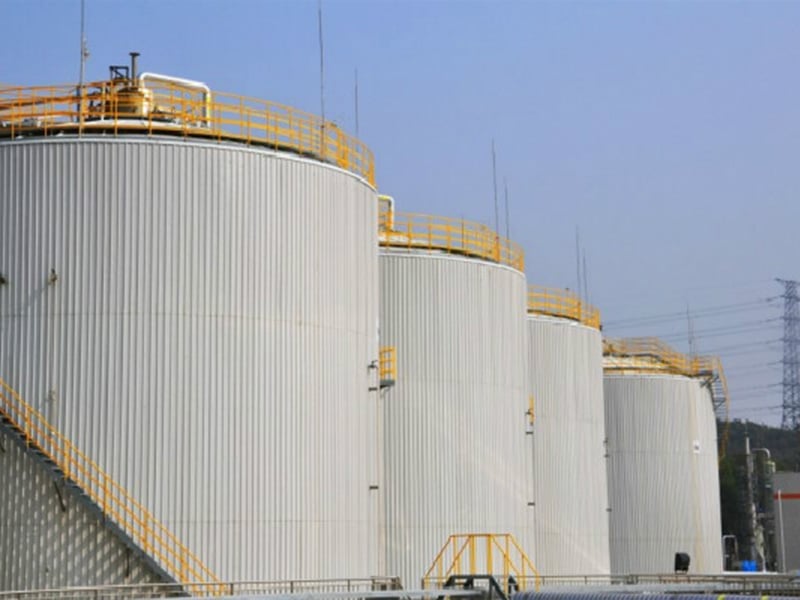
Réservoir de stockage vertical avec système d'isolation thermique
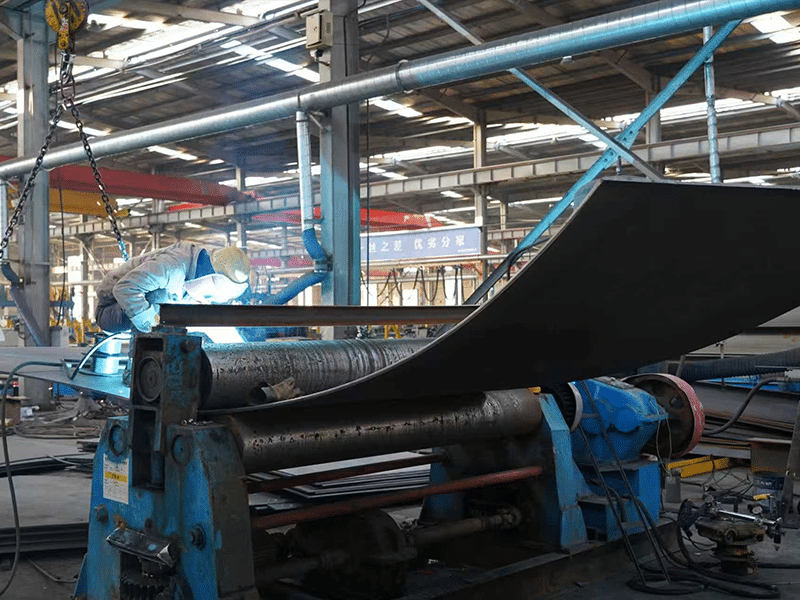
Réservoir de stockage vertical : Sélection des matières premières, traitement et processus de fabrication
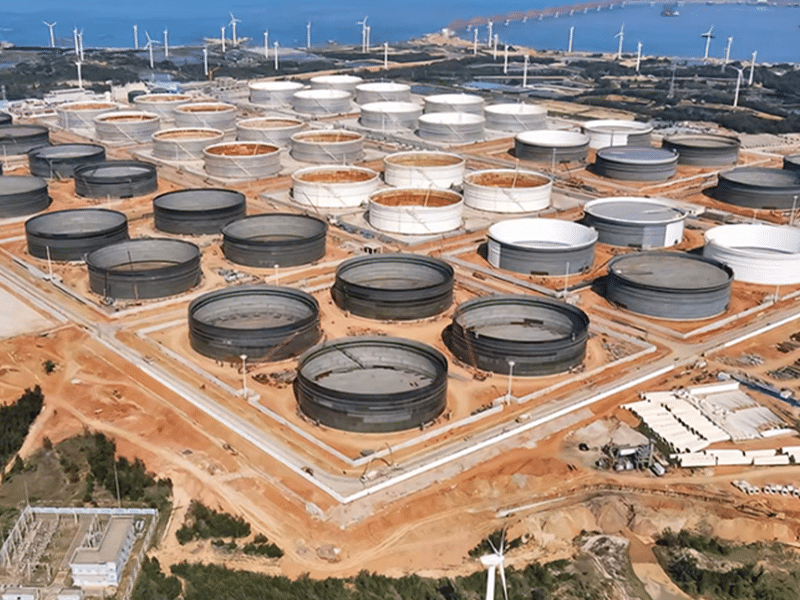
Réservoirs externes à toit flottant pour le stockage du pétrole brut et du pétrole raffiné
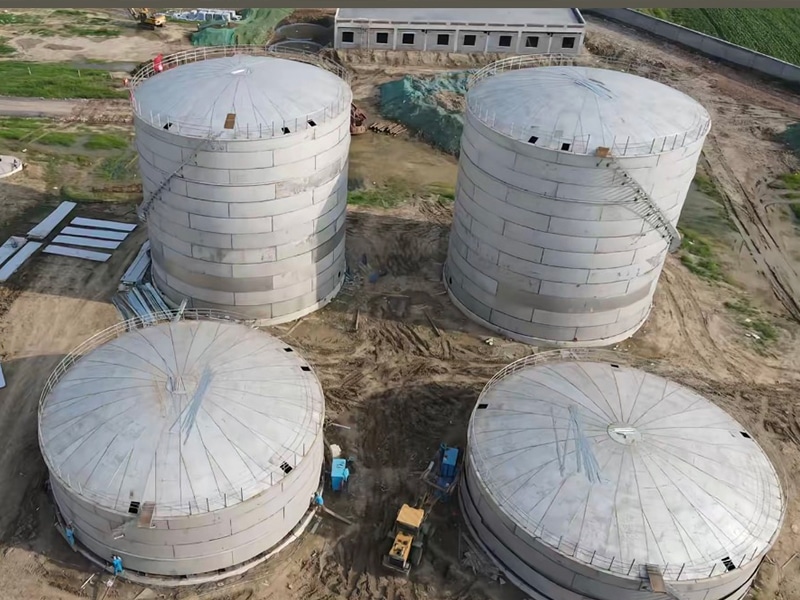
Réservoir de stockage vertical fixe| Conception sur mesure et fabricant conforme à la norme API 650
Fabrication de cuves à basse pression
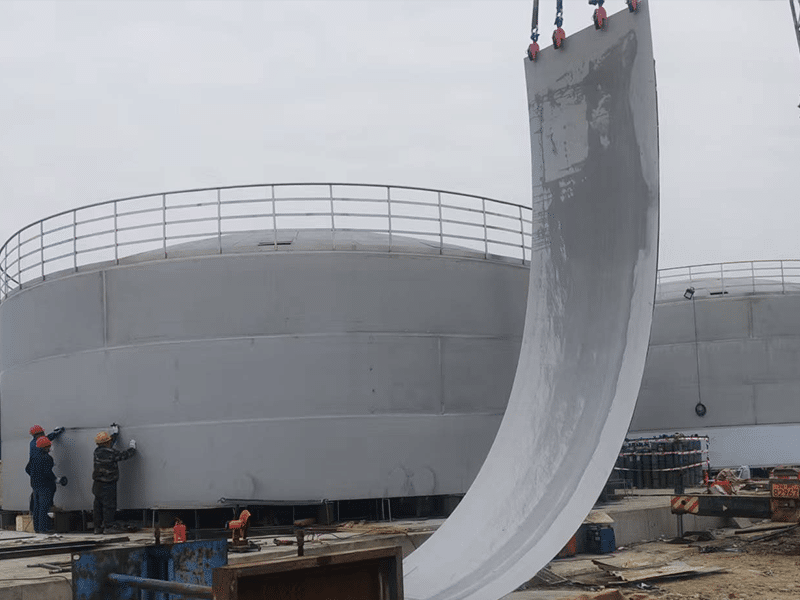
Fabrication de réservoirs de stockage en acier inoxydable
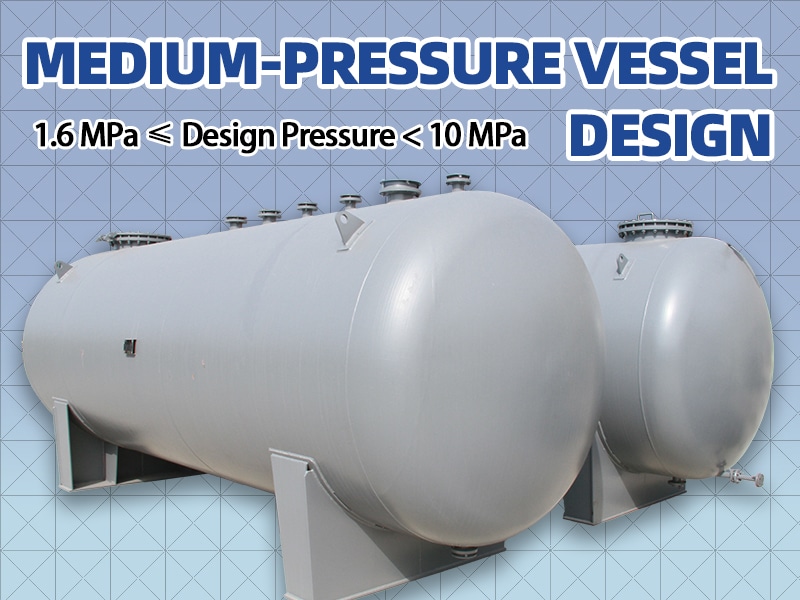
Conception d'un réservoir à basse pression
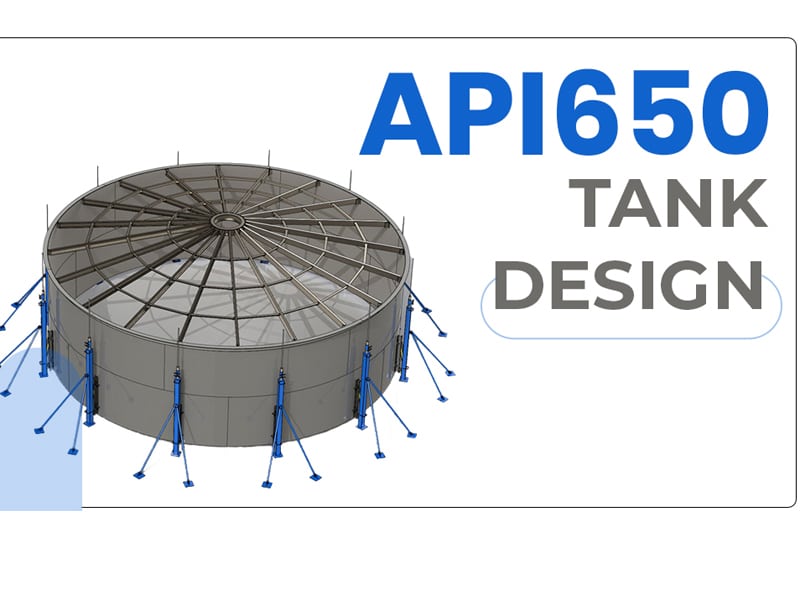
Réservoirs de stockage de pétrole API 650 Standard
Vous avez une question ?
Nous nous ferons un plaisir de répondre à toutes vos questions concernant nos stocks, nos sites ou notre façon de travailler.
Vous souhaitez obtenir un devis ?
Nous vous recommandons de soumettre une demande de devis via notre formulaire RFQ.
Demandez un devis pour votre prochain projet de réservoir de stockage hors sol.