500,000T+
ANNUAL EXPORT TONNAGE
How to Clean Water Tank Storage Tank?
Water tank storage tanks are essential for family use, agricultural watering, industrial production, and firefighting water supply. Common sorts of water storage containers consist of stainless-steel tanks, above-ground containers, large-capacity containers, and mobile containers. The marketplace supplies a full variety of specs, from small-to-medium-sized containers such as 1,000-gallon and 3,000-gallon versions to large tanks and high-capacity storage systems designed for engineering applications. Regardless of the kind of water storage space devices, the tidiness of the storage tank’s indoor straight establishes the safety and security of everyday water use and the overall service life of the storage tank.
Water storage tanks are indispensable for family usage, agricultural watering, commercial manufacturing, and firefighting supply of water. Common kinds of water storage space containers include stainless-steel containers, above-ground storage tanks, large-capacity containers, and mobile storage tanks.
The marketplace offers a complete variety of requirements, from small-to-medium-sized storage tanks such as 1,000-gallon and 3,000-gallon models to massive tanks and high-capacity storage systems developed for engineering applications. Despite the sort of water storage space devices, the tidiness of the storage tank’s interior straight figures out the security of day-to-day water use and the overall life span of the container.
Among these, stainless steel water storage tanks have become the most widely used type on the market today due to their outstanding advantages of corrosion resistance, rust prevention, and the ability to maintain uncontaminated water quality. However, it is important to note that regardless of the material or capacity, after prolonged use, the inner walls of any water storage tank will gradually accumulate sediment, mineral scale, biofilms, and algal impurities.
Therefore, regularly cleaning large volume water storage tanks is not only a fundamental part of equipment maintenance but also a core measure for safeguarding the health of water supplies throughout homes, industrial sites, and farms. This article provides a comprehensive guide to the necessity of cleaning water storage tanks, standard operating procedures, and specialized maintenance techniques, applicable to all types and sizes of water storage containers.
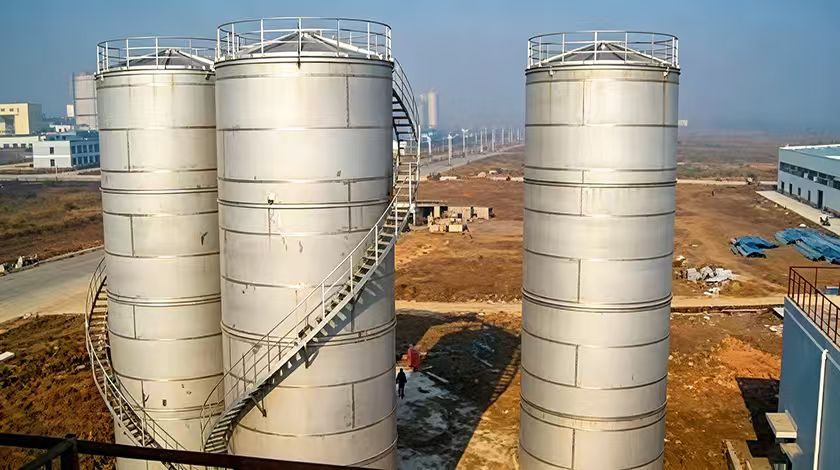
Numerous users share a typical misconception: they think that as long as a water storage tank isn’t leaking or harmed, it doesn’t need to be cleaned. In reality, nonetheless, numerous types of water storage space containers that are left unmaintained for long periods can harbor large amounts of unsafe compounds, directly affecting both the water top quality and the life span of the tank.
The core value of frequently cleansing and preserving different sorts of water storage tanks exists mostly in 4 crucial locations:
Eliminating Water High Quality Safety Hazards: Water left meaning long periods can reproduce microorganisms such as E. coli and pathogenic germs. Algae and biofilms adhering to the inner walls will continuously pollute the water, leading to waterborne diseases such as stomach illnesses and dysentery. This presents safety and security risks whether the water is used for house drinking, bathing, industrial recirculation, or farming watering.
Prolonging the service life of water storage tanks: Long-lasting build-up of silt, debris, and mineral scale constantly wears away the inside of the storage tank. Ordinary-grade tank are specifically vulnerable to maturing and damage; also high-quality stainless-steel storage tanks can experience jeopardized internal wall level of smoothness as a result of long-term scale accumulation, speeding up tools damage. Normal cleaning properly avoids these issues.
Decreasing Long-Term Operation and Maintenance Prices: Once large-capacity water tank or large-scale commercial water storage tools ended up being severely encrusted with scale or harbor microbial swarms, not only does cleansing become significantly harder, yet it might additionally bring about breakdowns such as pipeline clogs and container leakages, leading to high repair and substitute expenses. Normal, low-maintenance maintenance can substantially reduce future expenditures.
Guaranteeing a Stable Water System: Tidy water storage space containers guarantee clear, odor-free water and avoid supply interruptions caused by turbidity or contaminations blocking pipelines. This makes it possible for all types of above-ground and large-capacity water storage tanks to provide a continual, steady water supply, fulfilling the long-lasting water requirements of suburbs, manufacturing facilities, grocery stores, ranches, and various other settings.
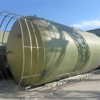
Fiberglass tanks are becoming increasingly popular in modern settings. Lightweight, corrosion-resistant, without rust problems. It is mainly used in commercial scenarios and can be installed both underground and above ground. The surface coating is suitable for water purification storage. Cleaning mainly involves removing scale and inhibiting bacteria on the surface.
Concrete is the heaviest of material options for storage tanks. Large-capacity fixed water storage equipment, mainly used for municipal and community centralized water supply. It has a long service life, but its inner wall is prone to water seepage and accumulation of dirt, making cleaning difficult. Regular deep disinfection is required.
The currently most popular mainstream stainless steel water storage tank is made of food-grade material, which is safe, non-toxic, resistant to ultraviolet rays, and can withstand high and low temperatures. The inner surface of the tank is smooth and does not easily accumulate scale or algae. It is an extremely easy-to-care-for above-ground water storage tank. It is widely applicable to various scenarios such as household drinking water, commercial water purification, and industrial fire water storage. Various 1000-gallon and 3000-gallon stainless steel water storage tanks are all highly cost-effective water storage containers.
A carbon welded water storage tank is a robust and reliable vessel designed for the long-term storage of water. Industrial heavy-duty large water storage equipment, with a sturdy structure and strong pressure resistance, is suitable for storing industrial wastewater and large amounts of fire-fighting water. Special attention should be paid to rust removal, scale removal and anti-corrosion cleaning.
Plastic water tanks are renowned for their affordability and durability. It has outstanding cost-effectiveness, no seams during assembly, and won’t rust. It is often used as a household portable water storage tank or a small commercial water storage container. The capacity of this type of water storage tank is relatively low, suitable for small-scale water usage scenarios. The structure is simple, and daily cleaning and later maintenance are very convenient.
Spheroid water tanks are ideally suited for mid size storage between 200,000 and 500,000 gallons. Super-large and high-capacity water storage equipment, mostly used in municipal projects. The special spherical structure can reduce the impact of the external environment on the water body. It requires targeted adaptation with dedicated cleaning tools to complete the maintenance of the inner wall.

Keeping the cleanliness of storage water tank is of utmost significance for area health and wellness. Tidy water is crucial for drinking, food preparation, and preserving personal hygiene. This is vital for guaranteeing the health of everybody.
Unclean water is extremely damaging. It may contain microorganisms, infections, and other pathogenic bacteria, creating disease. Taking in infected water can lead to illness such as cholera and dysentery, and can additionally create long-term health issue.
Unclean water may include harmful germs, creating significant health problems. Maintaining water storage tanks clean is important to stop the development of these bacteria. The health and wellness dangers brought by unclean water consist of:
• Gastrointestinal diseases
• Cholera
• Dysentery
• Typhoid fever
Routine upkeep of water containers is beneficial for both wellness and money. Correct upkeep can prolong the lifespan of the containers, avoiding pricey fixings or substitutes.
Additionally, it can stop the buildup of debris and toxins, consequently minimizing water treatment prices.
Via normal maintenance, neighborhoods can conserve cash over the long-term and obtain a steady supply of clean water. This additionally helps to stay clear of losses brought on by water-borne disease break outs, such as shed work and clinical expenditures.
The cleaning of the water storage tank does not require blind and frequent operations. Users can directly judge the cleaning needs based on the water quality and the condition of the tank. At the same time, by combining the capacity of the water storage tank, the daily water consumption and the usage scenarios, a scientific and standardized cleaning cycle can be formulated, perfectly adapting to all specifications of water storage containers such as 1000-gallon, 3000-gallon and large-scale over 5000-gallon ones.
| Storage tank specifications (gallons) | Water load | Suggested cleaning frequency |
| Small (less than 1000 gallons) | Low-to-medium water consumption (for households and small businesses) | Clean once every 12 months |
| Medium-sized (1000 – 5000 gallons) | Medium-to-high water consumption (guesthouses, farms, small and medium-sized factories) | Clean once every 6 to 12 months |
| Large (more than 5000 gallons) | High water consumption (for large industrial sites, communities, and commercial projects) | Clean once every six months |
For high-end commercial water purification storage tanks such as those used in food factories, restaurants, and medical facilities, as well as water storage equipment used in environments with hard water, high mineral content, and high salt levels in coastal areas, the water quality deteriorates more rapidly. It is recommended to shorten the cleaning cycle to 3-6 months to ensure the safety of the water quality of the storage tanks at all times.
Whether it is a small portable water storage tank, a household 1000-gallon water storage tank, a commercial 3000-gallon water storage tank, or a large industrial water storage tank in the factory area, or a large-capacity water storage equipment, they can all follow the “drainage – cleaning – disinfection – inspection – re-inspection” five-step standard cleaning process summarized by Shijie Heavy Industry. The operation is safe and efficient, capable of thoroughly cleaning the dirt in the water storage tanks, and will not damage the bodies of various materials of the water storage containers.
Step 1: Completely Drain Standing Water from the Tank
Close the water inlet valve of the storage tank, open the dedicated drain valve at the bottom of the tank, and completely drain any residual standing water from the tank. For large-capacity water storage tanks and large-scale industrial water storage equipment, the drainage process must strictly comply with local environmental protection regulations to prevent environmental damage caused by the indiscriminate discharge of wastewater. If there are drainage dead zones or residual water in the tank, use negative-pressure pumping equipment to thoroughly clean them, thereby preventing residual wastewater from breeding bacteria and contaminating the storage container at the source.
Step 2: Deep Descaling and Cleaning of the Inner Walls
After the water storage tank has been completely drained, use a mild, eco-friendly cleaner along with a non-metallic soft-bristle brush or an extended specialized cleaning brush to scrub the inner walls of the tank, focusing on removing silt, scale, algae, and biofilms accumulated in the corners and at the bottom of the tank. The use of hard wire brushes is strictly prohibited during the cleaning process to prevent scratching the protective surface layers of stainless steel water storage tanks and other types of storage containers. For stubborn stains, baking soda or a diluted neutral solution may be used to assist with cleaning. After cleaning, rinse thoroughly with clean water 2–3 times to completely remove any residual impurities and cleaning agents, ensuring the interior walls of the water storage tank are clean and free of residue.
Crucial Tip: Big, encased water storage tanks are considered confined areas. Unauthorized personnel are strictly banned from going into the tank directly for cleansing. This job should be executed by certified professionals putting on appropriate safety equipment to alleviate safety and security threats.
Step 3: Professional Water Disinfection and Sanitization
For water storage tanks marked for drinking water, specialist disinfection and sanitization must be carried out after cleaning. For commercial, non-potable water storage tanks, this action may be omitted as considered proper. Use an anti-bacterial that adheres to the NSF 60 alcohol consumption water criterion. Prepare the disinfectant solution according to the basic proportion, put it right into the storage tank to completely saturate the inner wall surfaces, and let it sit for at least half an hour to totally remove unsafe bacteria such as E. coli and pathogenic germs, therefore preventing additional water contamination after the tank has actually been cleaned.
Step 4: Water Quality Safety Testing
After disinfection is complete, drain the disinfection wastewater from the tank, refill it with clean water, and let it stand. Conduct testing using water quality test strips or through a professional laboratory, focusing on residual chlorine levels and microbial indicators to ensure the water quality meets safety standards for use. The system may only be put back into normal operation once it is confirmed to be free of bacterial residues and chemical residue levels are within acceptable limits.
Step 5: Re-inspection and Secondary Cleaning
If test results indicate that the water quality does not meet standards, or if there is still an odor or residual bacterial colonies, the entire cleaning and disinfection process must be repeated in full until the water quality is fully compliant. If there is a slight odor of disinfectant, allow the tank to stand and ventilate until the residual chlorine has naturally dissipated before use.

Stainless steel water storage tanks are currently the most widely used water storage containers on the market.
Thanks to their excellent material properties, they are easy to maintain and highly durable. Following proper daily maintenance procedures can effectively reduce the frequency of tank cleaning, keep the tank clean over the long term, ensure water quality meets standards, and comprehensively extend the service life of all types of stainless steel water storage tanks and above-ground water storage tanks:
Focus on stainless-steel water storage tanks with a mirror-polished indoor surface. The smooth surface area stands up to scale accumulation and protects against algae development, allowing the storage tank to continue to be clean with regular rinsing;
Go with above-ground water storage tanks with a conelike bottom layout, which allows for total drain without dead areas, stopping water build-up and sludge build-up near the bottom and reducing the threat of contamination at the resource;
Frequently inspect components such as manholes, vent valves, and drain outlets to guarantee they are appropriately secured, protecting against dust, pests, and debris from entering the container;
Large outdoor water tank and high-capacity water storage space devices, which are revealed to rough settings such as heats, heavy rainfall, and high salinity in seaside locations over extended periods, are a lot more vulnerable to range buildup and corrosion. Cleaning up periods should be suitably shortened, and proper sunlight defense and anti-corrosion measures must be applied to preserve stable efficiency.
Keeping residential and industrial water storage tanks clean is a critical step in ensuring the safety of drinking water and production safety on factory premises. Following the standardized cleaning and maintenance plan compiled by Shijie Heavy Industry can significantly reduce the risks of water contamination and tank corrosion, while ensuring that the quality of the water discharged consistently meets standards over the long term.
Regular cleaning and routine maintenance are key to ensuring the stability of water quality for drinking water, industrial recirculating water, and fire protection water storage. Purchasing departments and operations and maintenance personnel must clearly understand the tank cleaning schedule and standard operating procedures, and select cleaning methods suitable for stainless steel tanks, in order to maintain the tanks in good working condition over the long term and continuously supply safe, clean water.
In addition, the structural design of the tank at the time of purchase also affects the difficulty of cleaning and operational safety later on. As a professional source supplier of vertical stainless steel storage tanks, Shijie Heavy Industry offers customizable designs in various configurations, including double-walled insulated tanks and conical-bottom drainage tanks. Double-walled tanks combine multiple advantages—leak prevention, thermal insulation, environmental friendliness, and corrosion resistance—and, when paired with user-friendly manhole and drain port designs, significantly reduce the difficulty of future cleaning and maintenance. Contact us to customize your storage tanks today.
More Blog Posts


TANK TIPS AND RESOURCES
Inquire Now For A Detailed Quote On Your Above Storage Tank Projects.