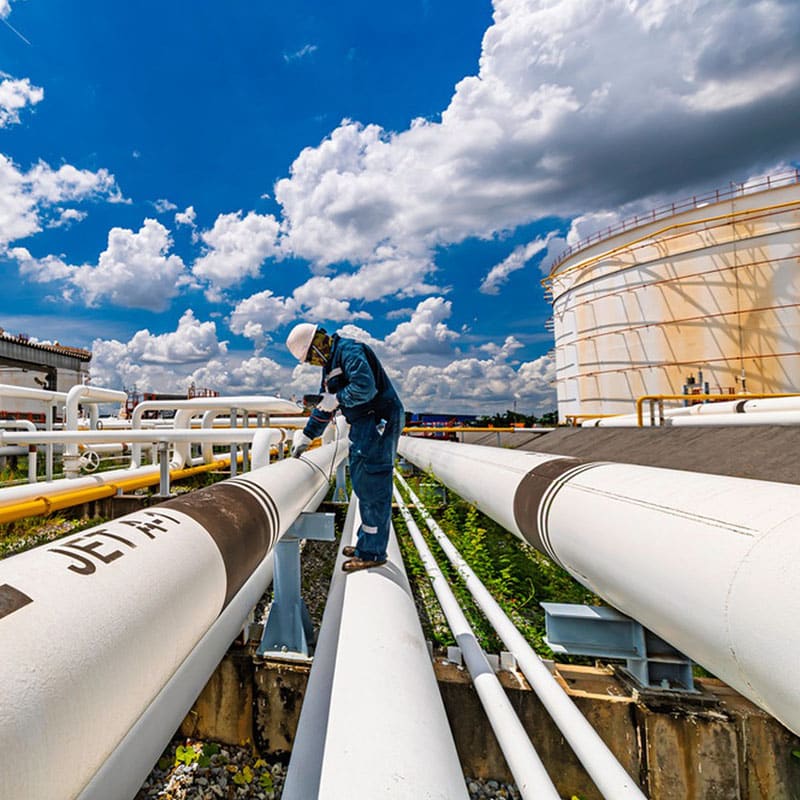
Complies with international standards
External Floating Roof Tanks for Crude Oil Storage
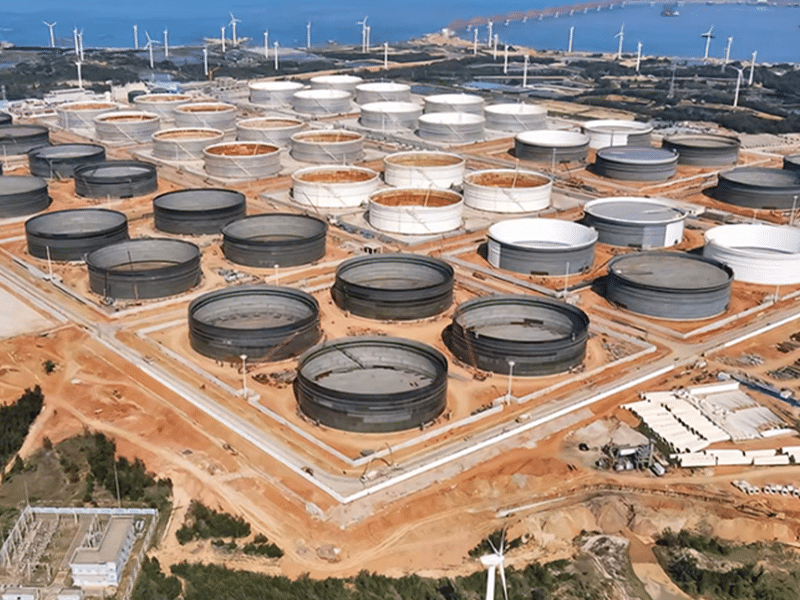
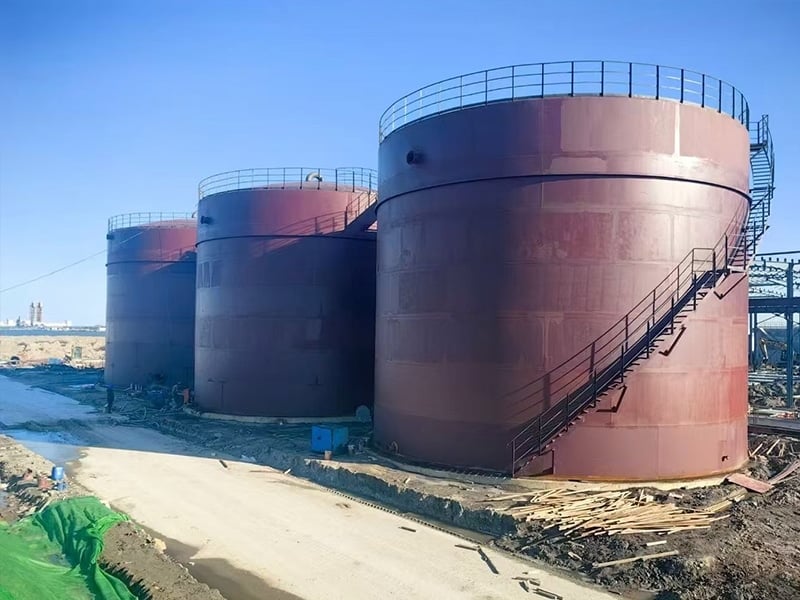

External Floating Roof Tanks for Crude Oil Storage
Category: Vertical storage tank
The External Floating Roof Tank (EFRT) is a premier storage solution engineered specifically for high-capacity containment of volatile liquids like crude oil and refined petroleum products. Unlike fixed-roof designs, the roof of this tank floats directly on the liquid surface, rising and falling with the fluid level. This mechanical design eliminates the vapor space between the liquid and the roof, significantly reducing evaporative loss, minimizing environmental impact, and enhancing fire safety by preventing the formation of explosive air-fuel mixtures.
Get Best Price
Need a custom solution or have special requirements? Chat with us now on WhatsApp or send a quick message. You can contact us by:
Product Structure
-
Floating Roof Assembly: A buoyant, weather-tight deck—typically of pontoon or double-deck construction—that floats on the stored product.
-
Open-Top Cylindrical Shell: A vertical, tiered steel body reinforced with a “wind girder” at the top to maintain circularity under heavy wind loads.
-
Primary & Secondary Seal System: High-performance flexible seals installed around the roof perimeter to bridge the gap between the floating deck and the tank wall, ensuring vapor retention.
-
Rolling Ladder: A self-leveling, hinged ladder that adjusts its angle to provide safe personnel access to the roof deck regardless of the liquid level.
-
Roof Drain System: A flexible internal pipe or jointed hose system that safely channels rainwater from the roof deck to the exterior of the tank.
-
Support Legs: Adjustable mechanical legs that hold the roof at a specific height during maintenance or when the tank is empty.
Product Advantages
-
Superior Evaporation Reduction: By eliminating the “vapor space,” these tanks reduce product loss by up to 95% compared to fixed-roof tanks, directly increasing profitability.
-
Enhanced Fire Safety: The lack of a vapor-rich head space significantly lowers the risk of lightning-induced ignition or internal explosions.
-
Environmental Compliance: Dramatically lowers Volatile Organic Compound (VOC) emissions, helping facilities meet strict environmental air quality standards.
-
Massive Capacity Scalability: Specifically designed for “Big Oil” applications, allowing for diameters that can store hundreds of thousands of barrels in a single vessel.
-
Weather Resilience: The robust floating deck is engineered to handle heavy rainfall and snow loads while remaining buoyant and stable.
Material & Specifications
| Feature | Specification |
| Shell & Floor Material | High-tensile Carbon Steel (Q235B, Q345R) or ASTM equivalents |
| Floating Roof Type | Single-Deck Pontoon or Double-Deck (High Buoyancy) |
| Seal Type | Mechanical Shoe Seal or Liquid-Mounted Resilient Foam Seal |
| Standard Compliance | API 650 (Appendix C), GB 50341, or equivalent global codes |
| Corrosion Control | External Epoxy/Polyurethane coatings and internal anti-static linings |
Technical Parameters
-
Working Temperature Range: -40°C to +90°C (Standard); specialized seals available for high-heat crude storage.
-
Design Pressure: Atmospheric pressure.
-
Volume Range: 10,000m³ to 150,000m³+ (Fully customizable diameters).
Application Scenarios
-
Crude Oil Terminals: Large-scale “tank farms” at shipping ports and pipeline junctions for bulk crude storage.
-
Petroleum Refineries: Intermediate storage for raw crude and finished high-volatility products like gasoline and jet fuel.
-
Strategic Reserves: National-level emergency oil storage facilities requiring long-term containment with minimal loss.
-
Chemical Logistics: Storage for volatile industrial solvents and light chemicals at maritime distribution hubs.
8000+
COMPLETED TANK PROJECTS
15+
MANUFACTURING EXPERIENCE
121000+
SQ FT FABRICATION SPACE
300+
COMPANY EMPLOYEES
More Products
Vertical Stainless Steel Water Tank
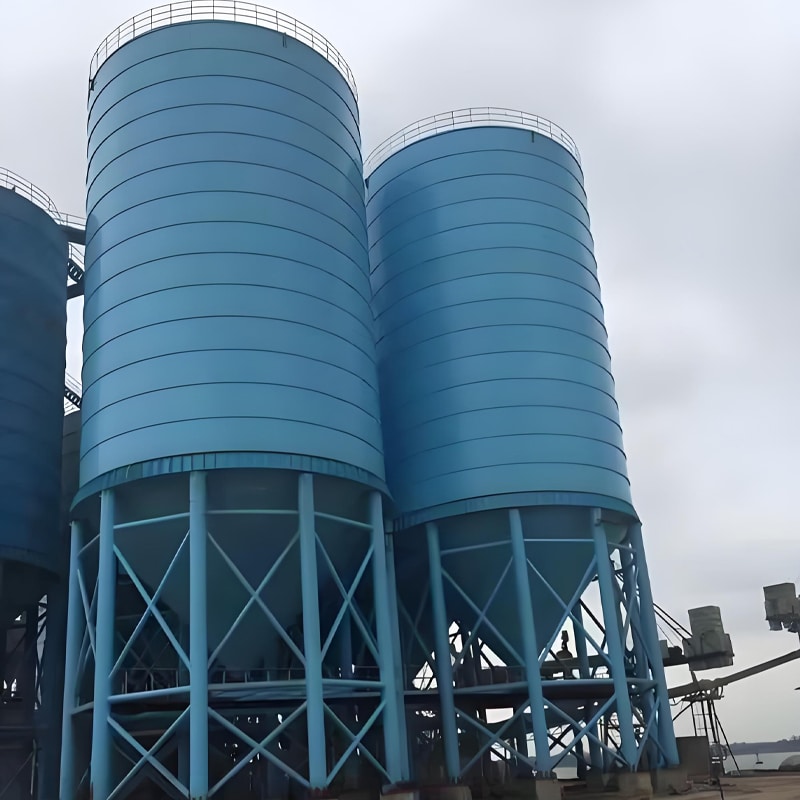
Large Vertical Coal Powder Ash Storage Tank
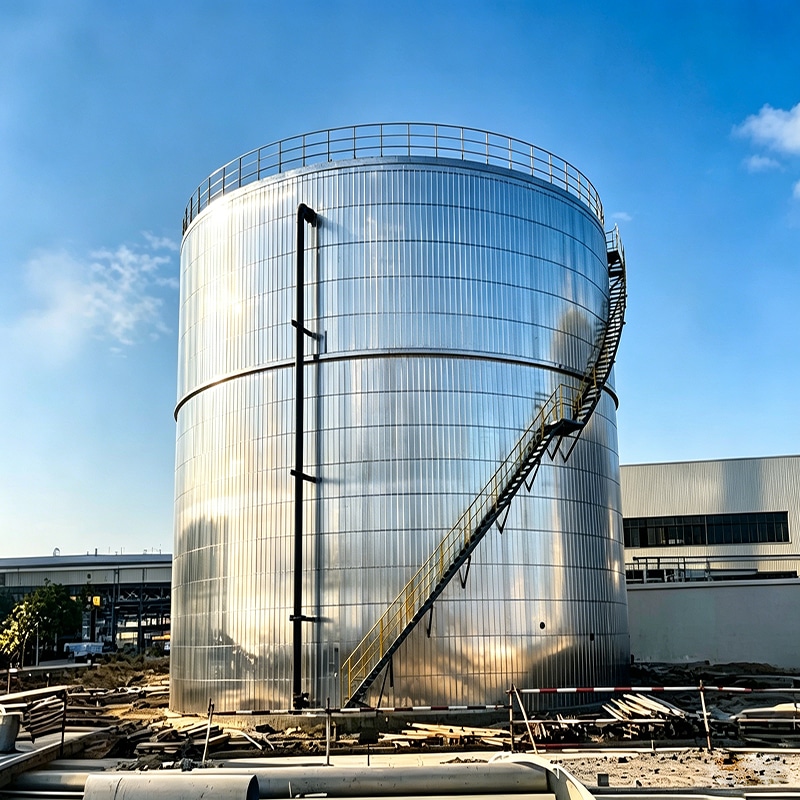
Insulated Vertical Storage Tank
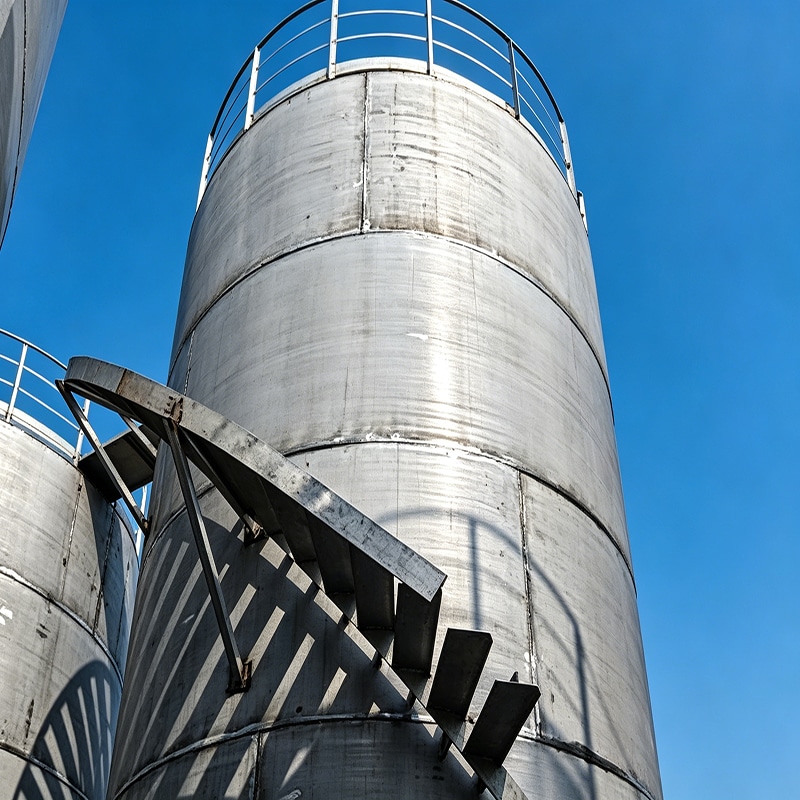
Large Stainless Steel Vertical Storage Tank
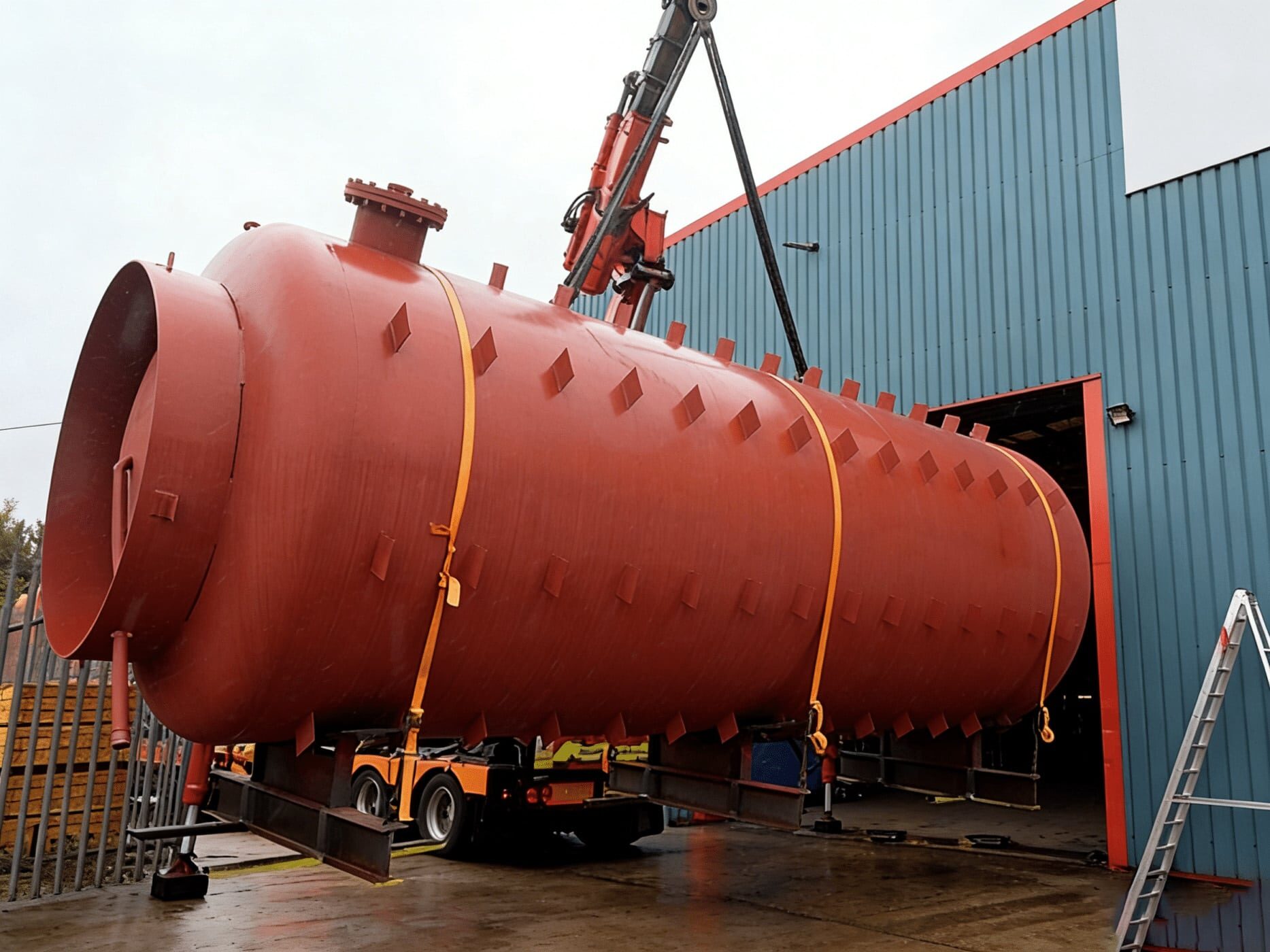
Industrial-Level Pressure Vessels
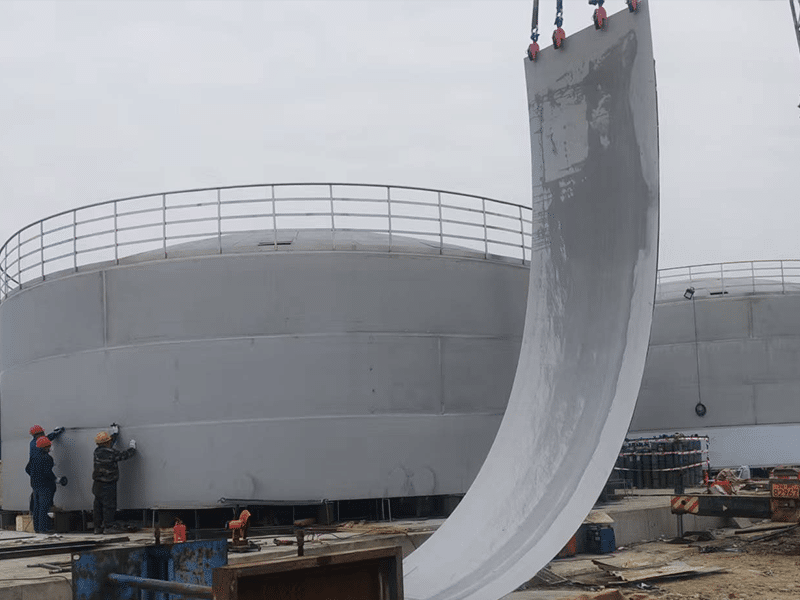
Stainless Steel Storage Tanks Fabrication
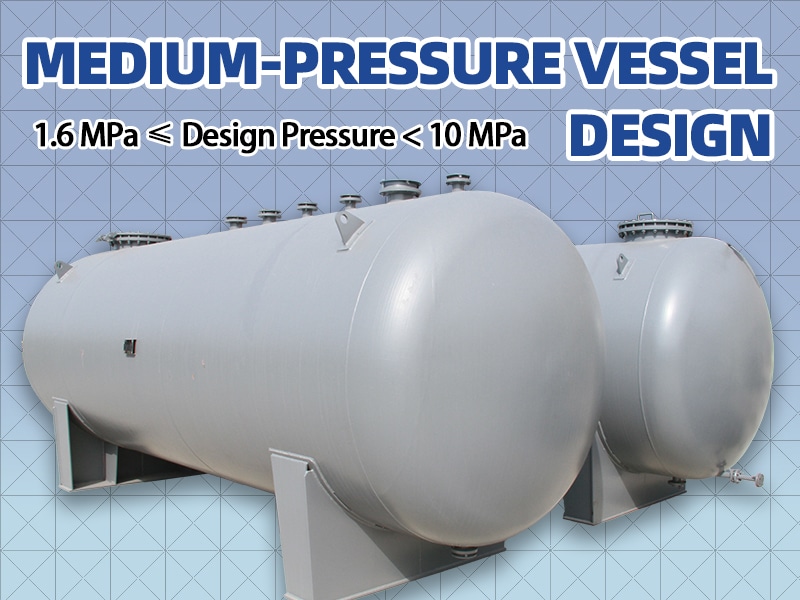
Industrial Low-Pressure Vessel
Do You Have Any Question?
Whether you’re planning storage tanks for your next project or wish to learn more about our solutions, we are pleased to answer all your questions in detail.
Need a customized quote for your storage tank project?
Simply send us your requirements via our inquiry form, and we will respond promptly with a comprehensive and tailored offer.