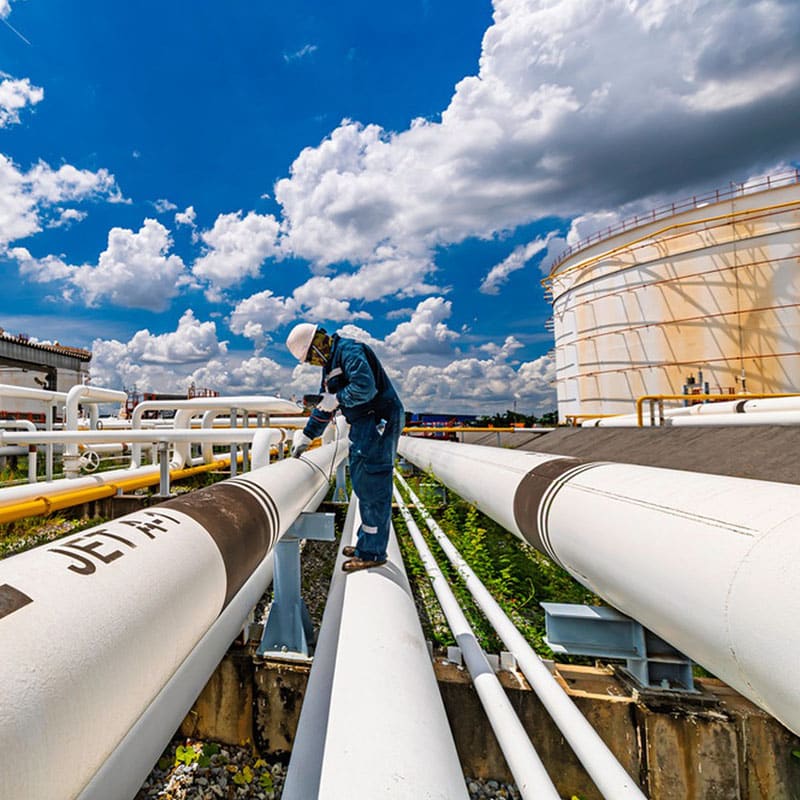
Complies with international standards
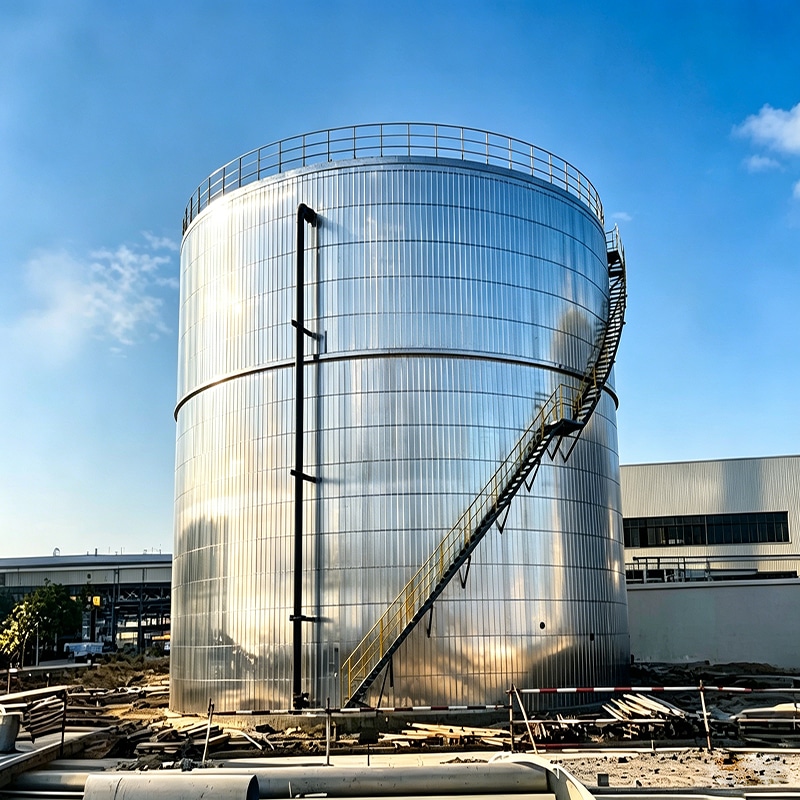
Insulated Vertical Storage Tank
Insulated Vertical Storage Tank
Category: Vertical storage tank
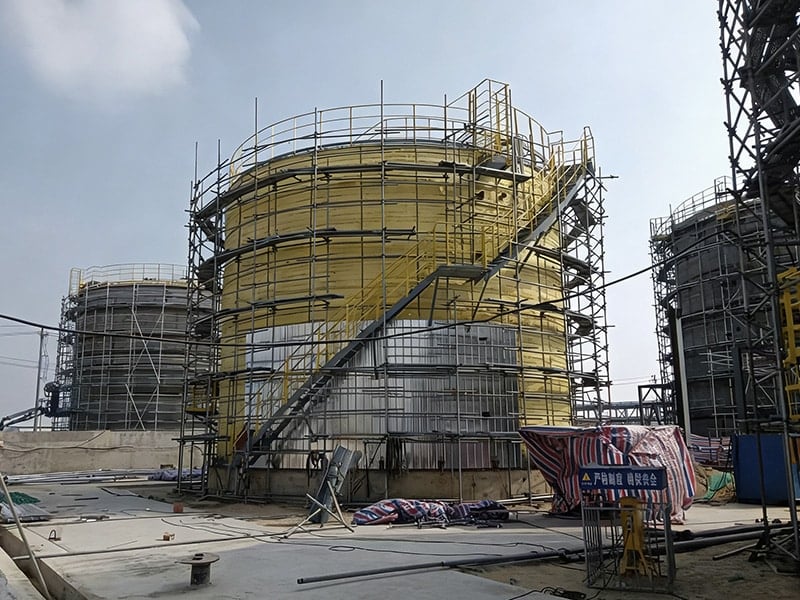
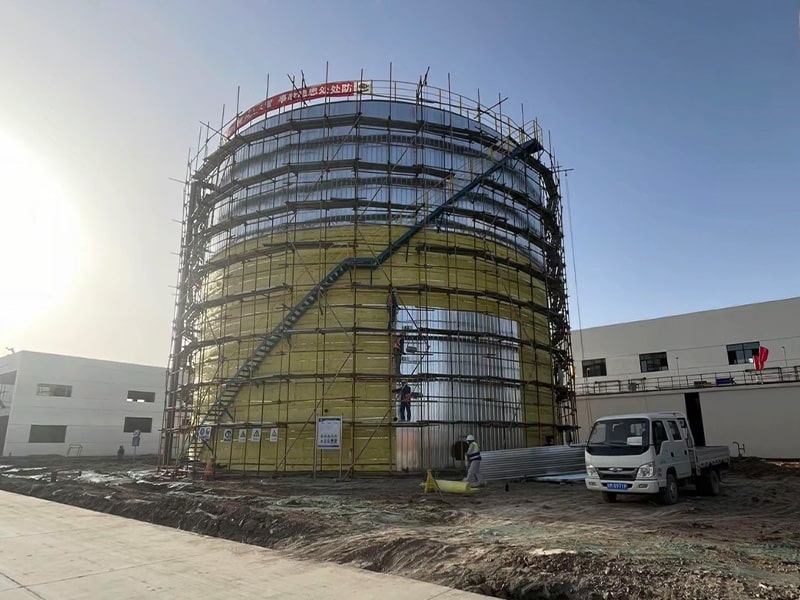
Insulated vertical storage tanks are steel industrial vessels with thermal insulation layers, designed to store temperature-sensitive liquids. Available in carbon or stainless steel, they operate within -40℃ to 200℃, comply with industrial standards, and serve petrochemical, chemical, food, pharmaceutical and energy sectors. Installation follows foundation preparation, tank erection, insulation fitting, accessory commissioning and performance testing.
Get Best Price
Need a custom solution or have special requirements? Chat with us now on WhatsApp or send a quick message. You can contact us by:
Insulated Vertical Large-Scale Cryogenic Storage Tanks
Insulated vertical storage tanks are industrial vessels with professional thermal insulation.
Built as vertical cylindrical steel tanks, they store liquids needing stable temperatures.
They block external temperature changes to preserve medium properties, fitting industries with strict temperature demands.
Designed to international industrial standards, they deliver reliable performance and long service life.

Thermal Insulation Vertical StorageTank Structure Configuration And Materials
The adiabatic vertical storage tank adopts steel tank shell as the main load-bearing structure, equipped with complete insulation layer and outer protective cladding. Standard fittings are configured with manholes, level gauges, vent valves, sampling ports and liquid level control devices, with reasonable layout for convenient operation, inspection and maintenance to ensure safe and stable operation.
Material Configuration
The tank material is selected according to stored medium and site conditions: Q235B or Q345R carbon steel for conventional non-corrosive media with high structural strength and cost performance; 304 or 316L stainless steel for corrosive and sanitary working conditions. Thermal insulation adopts rock wool, glass wool or polyurethane foam, featuring excellent thermal insulation and fireproof performance. The outer layer uses aluminum alloy or galvanized steel cladding to protect the insulation structure and extend service life.

Operating Temperature Range
Standard models work at -40℃ to 200℃, covering most industrial needs.
High-performance cold insulation is used for low-temperature services to prevent freezing.
Heat-resistant insulation and optional heat tracing maintain stable temperatures for high-temperature media, avoiding solidification or degradation.
Installation Process
Installation follows strict specifications and design drawings.
First, inspect and level the concrete foundation to meet bearing and flatness requirements.
Hoist and position the tank, then weld and secure the bottom to standards.
Install the insulation layer and outer cladding firmly after tank assembly.
Connect and test all accessories, then perform airtightness and temperature-control checks.
The tank can be commissioned once all indexes pass.
Application Scenarios
These tanks are widely used in petrochemical industries for heavy oil, asphalt and diesel to stop low-temperature solidification.
In chemicals, they store temperature-sensitive solvents and raw materials to maintain quality.
For food and pharmaceuticals, they provide sanitary temperature-controlled storage for syrups, edible oils and ingredients.
They also serve energy and cold-chain sectors for heat-transfer oils and low-temperature media, ensuring stable supply.
Product Advantage
1. High Structural Safety
Our insulated vertical storage tanks are precision-engineered from high-strength steel with a robust structural design. They can withstand extreme weather conditions and external impacts, ensuring long-term safety and stability.
2. Customized Design for Multiple Applications
Customizable based on volume, medium, site conditions, and insulation requirements, these tanks are suitable for various operating conditions, including petroleum, chemical, and cryogenic storage, balancing practicality with adaptability.
3. Professional After-Sales Support
We provide regular inspections, insulation maintenance, routine checks, and technical support to ensure the long-term, stable operation of the storage tanks, offering complete peace of mind throughout the entire process.
Choose insulated vertical storage tanks to benefit from their combination of safety, cost-effectiveness, thermal insulation, and environmental friendliness, providing reliable storage solutions for a wide range of storage projects.

Factory Strength
Our factory is a modern intelligent manufacturing base integrating R&D, design, production, processing and inspection. We specialize in manufacturing insulated vertical storage tanks. Equipped with advanced production equipment and an intelligent management system, we strictly follow standardized procedures and full-process quality control. Our products meet international and industry standards.
Relying on continuous technological innovation and process upgrading, insulated vertical storage tanks possess the advantages of safety, stability, energy conservation and high cost-effectiveness. They help the chemical and energy storage industries achieve intelligent and sustainable development.

Product Quality Inspection
Quality control for insulated vertical storage tanks begins with the arrival of raw materials at the factory, where tensile and hardness tests are conducted on the steel to ensure it meets specifications. Strict process control is maintained throughout production to guarantee precision in cutting and assembly. Each finished product undergoes a comprehensive inspection before shipment to verify dimensions and structural strength. All inspection data is archived for record-keeping, and every storage tank complies with factory standards, ensuring stable performance and reliable safety.
Packing & Delivery
Our insulated vertical storage tanks are shipped in specialized protective packaging. The tank bodies are coated with a rust- and corrosion-resistant film, and impact-resistant guards are installed on the joints and critical components. Large tanks are packed in sections, with accessories sorted into clearly labeled boxes. After loading, the cargo is secured to prevent shifting, and we use dedicated heavy-haul transport to ensure safe delivery to the construction site.

8000+
COMPLETED TANK PROJECTS
15+
MANUFACTURING EXPERIENCE
121000+
SQ FT FABRICATION SPACE
300+
COMPANY EMPLOYEES
More Products
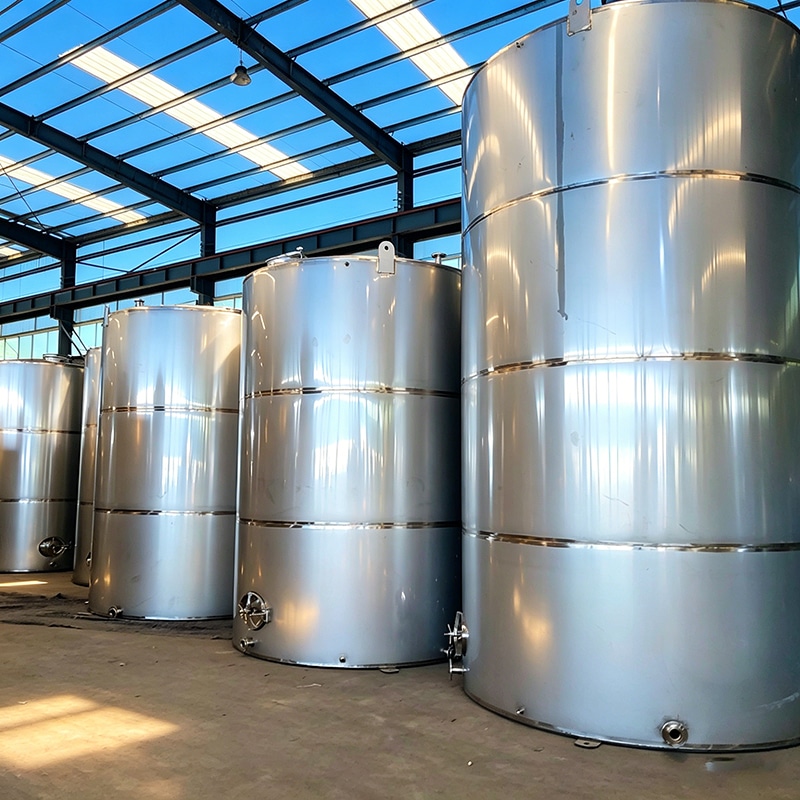
Vertical Stainless Steel Water Tank
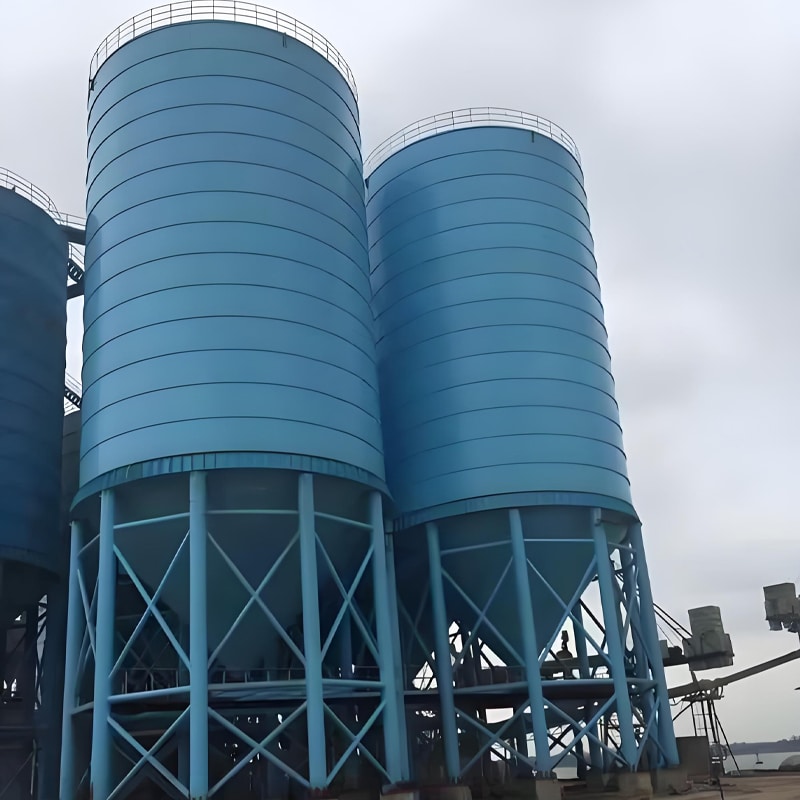
Large Vertical Coal Powder Ash Storage Tank
Insulated Vertical Storage Tank
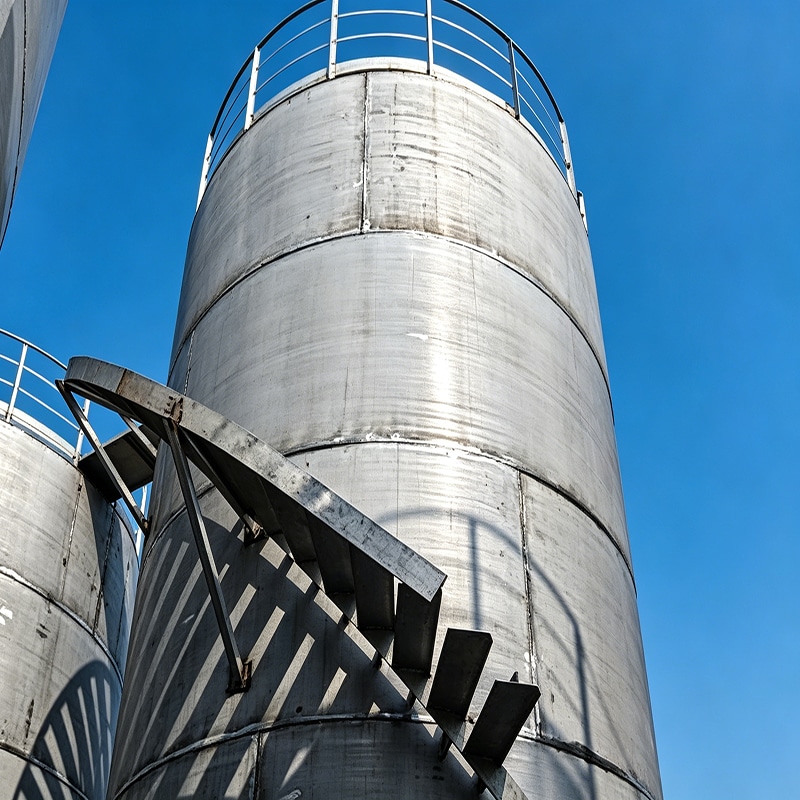
Large Stainless Steel Vertical Storage Tank
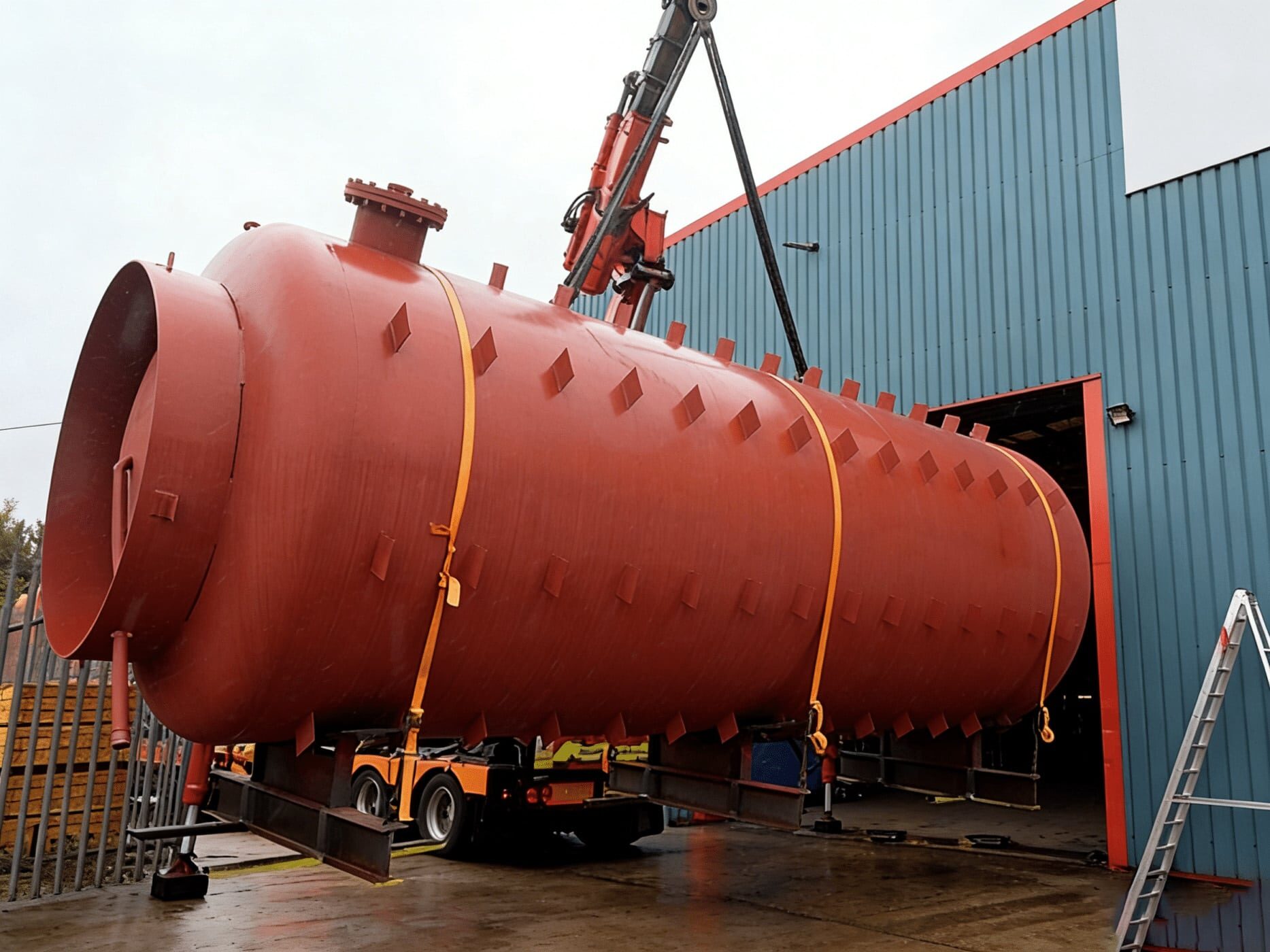
Industrial-Level Pressure Vessels
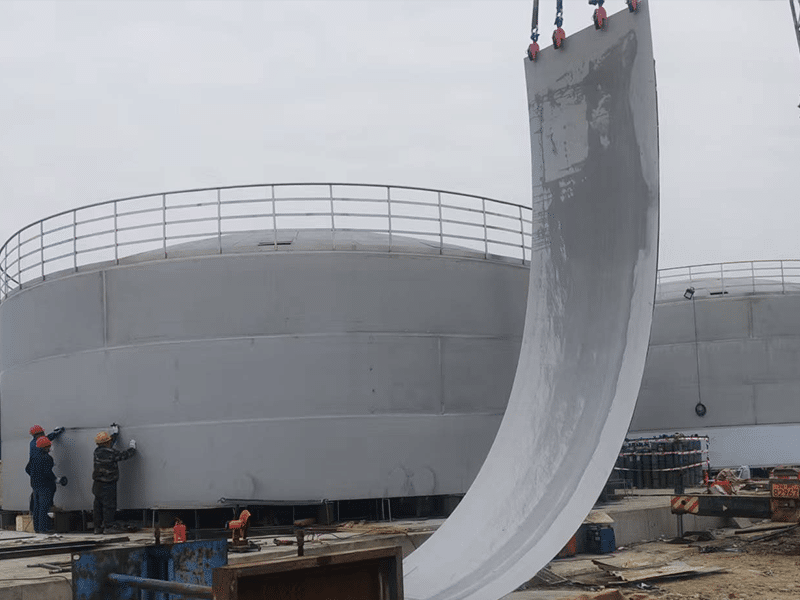
Stainless Steel Storage Tanks Fabrication
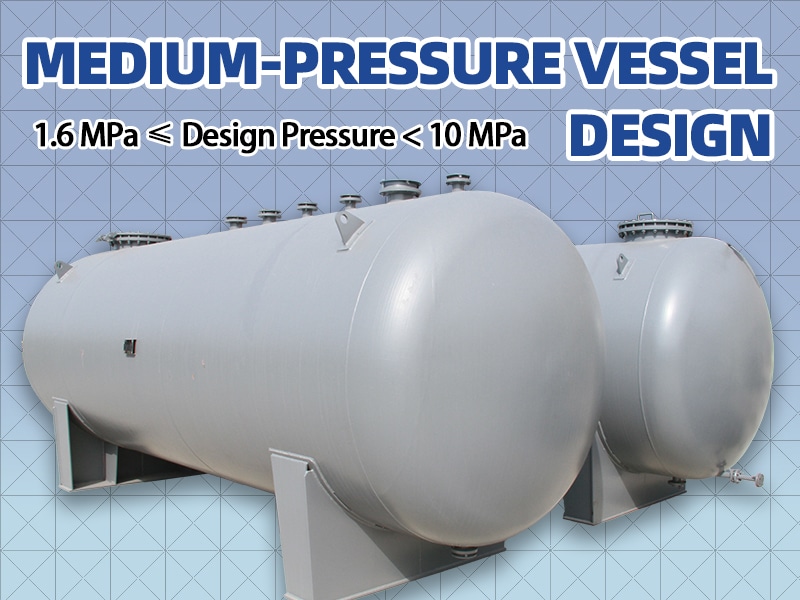
Industrial Low-Pressure Vessel
Do You Have Any Question?
Whether you’re planning storage tanks for your next project or wish to learn more about our solutions, we are pleased to answer all your questions in detail.
Need a customized quote for your storage tank project?
Simply send us your requirements via our inquiry form, and we will respond promptly with a comprehensive and tailored offer.