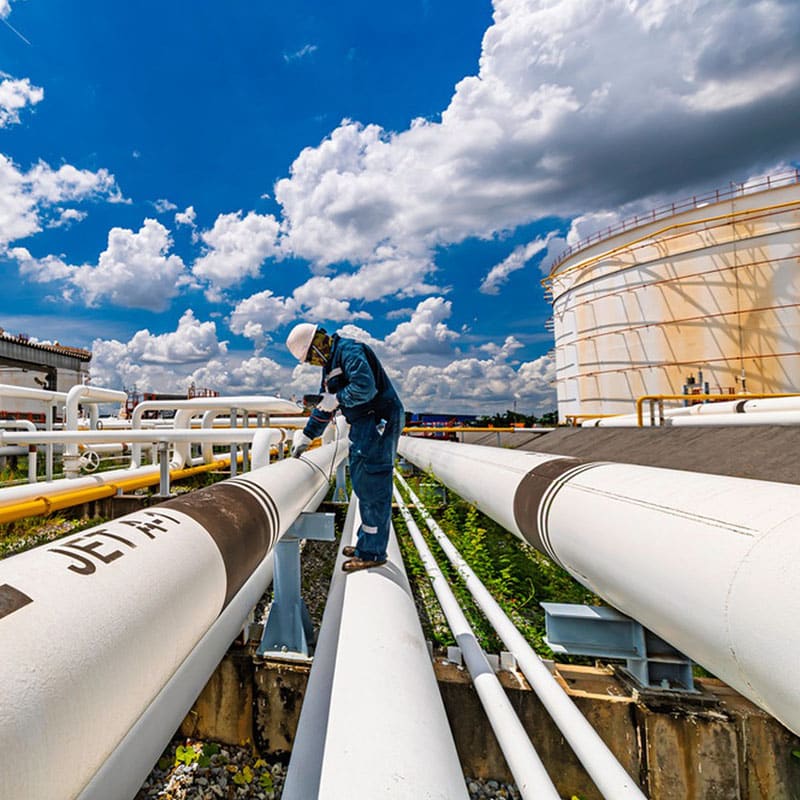
Complies with international standards
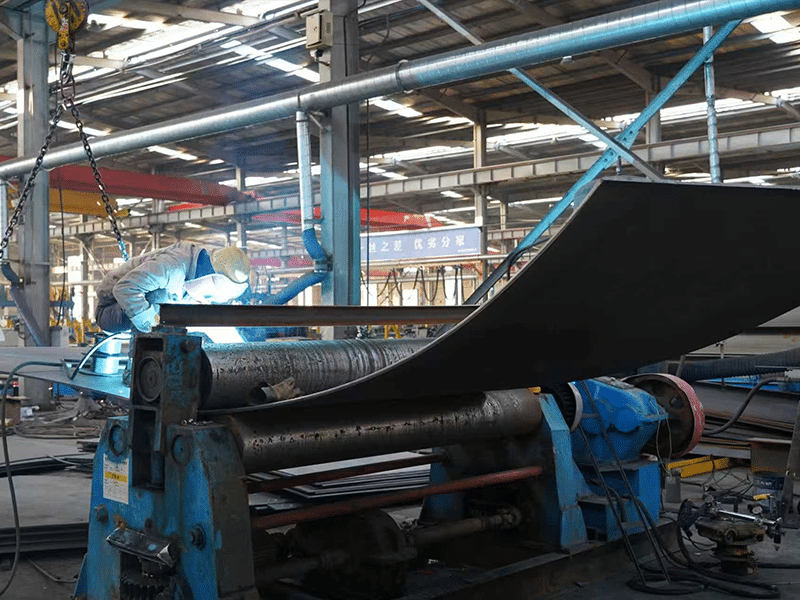
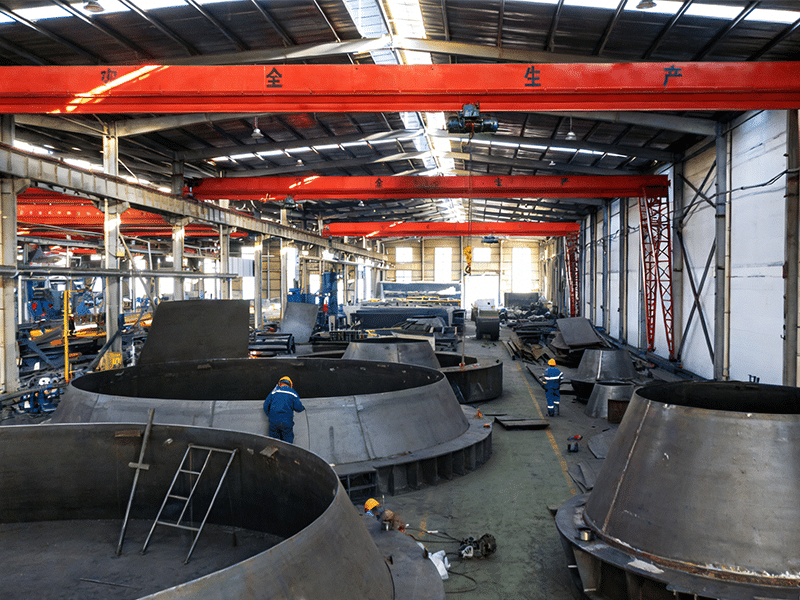
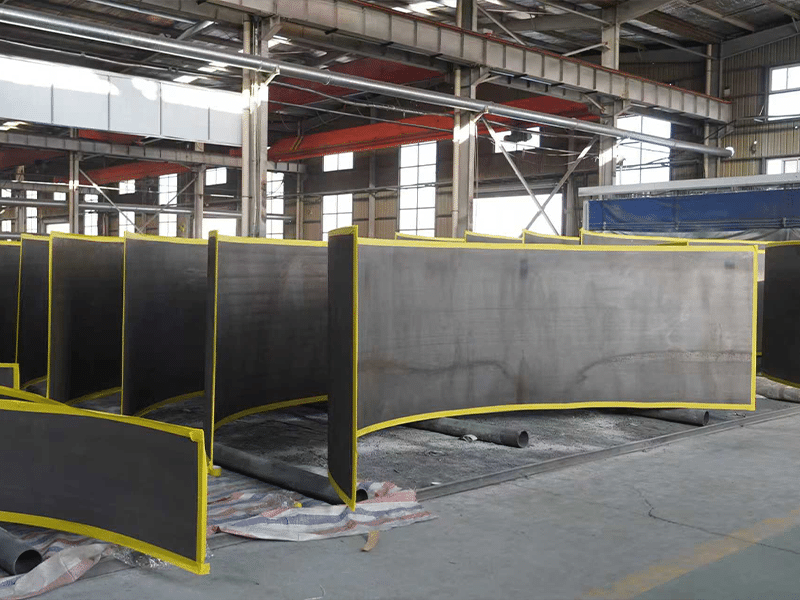
Raw Material Selection for Vertical Storage Tanks
Raw Material Selection for Vertical Storage Tanks
Category: Vertical storage tank
Vertical storage tanks are manufactured using carbon steel, 304/316L stainless steel or low-alloy high-strength steel, paired with qualified welding materials and anti-corrosion coatings. The process covers material inspection, CNC cutting, leveling, rolling, welding, non-destructive testing, pressure testing and surface finishing, delivering durable and sealed storage vessels for industrial applications.
Get Best Price
Need a custom solution or have special requirements? Chat with us now on WhatsApp or send a quick message. You can contact us by:
Product Structure
-
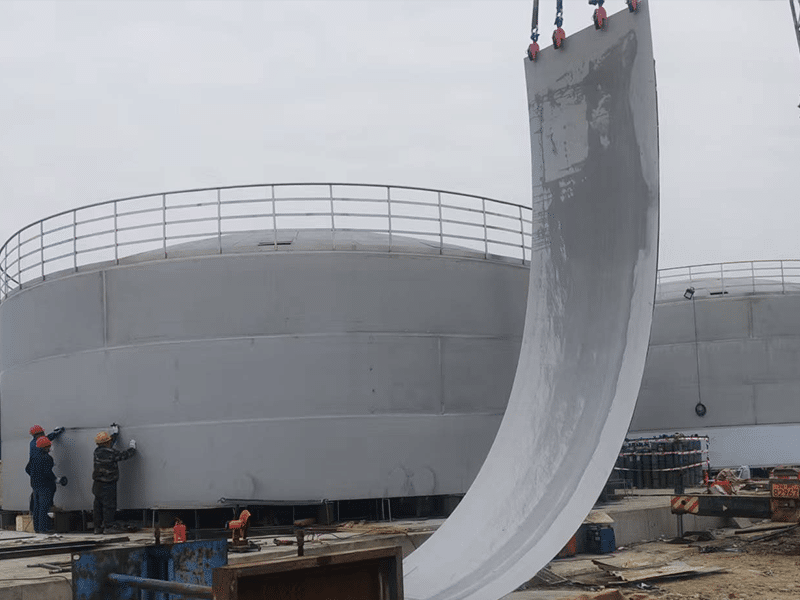
Tiered Shell Plates: High-precision steel plates selected for specific thickness and ductility to form the main cylindrical body.
-
Reinforced Roof Structure: Materials chosen for their load-bearing capacity to support environmental weights like snow or wind.
-
High-Strength Floor Plates: Flat-bottom materials designed to interface with the foundation and resist the weight of the full liquid column.
-
Integrated Safety Infrastructure: Includes perimeter guardrails and access stairways made from slip-resistant, galvanized steel.
-
Precision Nozzles and Manways: Material-matched flanged ports that ensure leak-proof connections for filling and maintenance.
Product Advantages
-
Exceptional Structural Integrity: The use of Q235B or Q345R carbon steel provides the necessary tensile strength to prevent shell deformation under full loads.
-
Optimized Space Efficiency: Vertical engineering combined with high-strength materials allows for massive storage volumes on a minimal ground footprint.
-
Corrosion Resistance Customization: Materials can be paired with specialized internal epoxy linings or external polyurethane coatings to prevent oxidation.
-
Site-Specific Scalability: Field-erection methods allow raw materials to be transported and assembled into tanks exceeding 50,000m³.
-
Enhanced Operational Safety: All materials are subjected to rigorous testing, including X-ray weld inspections, to guarantee zero-leak performance.
Material & Specifications
| Feature | Specification |
| Primary Steel Grades | Carbon Steel (Q235B, Q345R) or Stainless Steel (SUS304, SUS316L) |
| Manufacturing Standard | Built to API 650, GB 50341, or equivalent global standards |
| Construction Method | Precision Site-Welding / Field-Erected |
| Testing Protocol | 100% X-ray weld inspection and Hydrostatic testing |
| Capacity Options | From 100m³ to 50,000m³+ (Fully customizable) |
Technical Parameters
-
Working Temperature Range: Standard materials operate from -40°C to +90°C; insulation systems are available for extreme temperature control.
-
Design Pressure: Primarily Atmospheric pressure, with custom engineering for low-pressure requirements.
-
Environmental Load Rating: Custom-engineered to meet local seismic and wind load requirements based on material thickness.
Application Scenarios
-
Petrochemical Industry: Bulk storage of crude oil, diesel, gasoline, and refined chemical products.
-
Municipal Water Management: Large-scale reservoirs for potable water, fire protection, and treated wastewater.
-
Chemical Manufacturing: Secure containment for raw materials and aggressive chemical reagents.
-
Energy and Power Generation: Management of demineralized water and auxiliary fuel supplies for power plants.
-
Agricultural Logistics: Bulk storage for liquid fertilizers and industrial-scale irrigation reserves.
8000+
COMPLETED TANK PROJECTS
15+
MANUFACTURING EXPERIENCE
121000+
SQ FT FABRICATION SPACE
300+
COMPANY EMPLOYEES
More Products
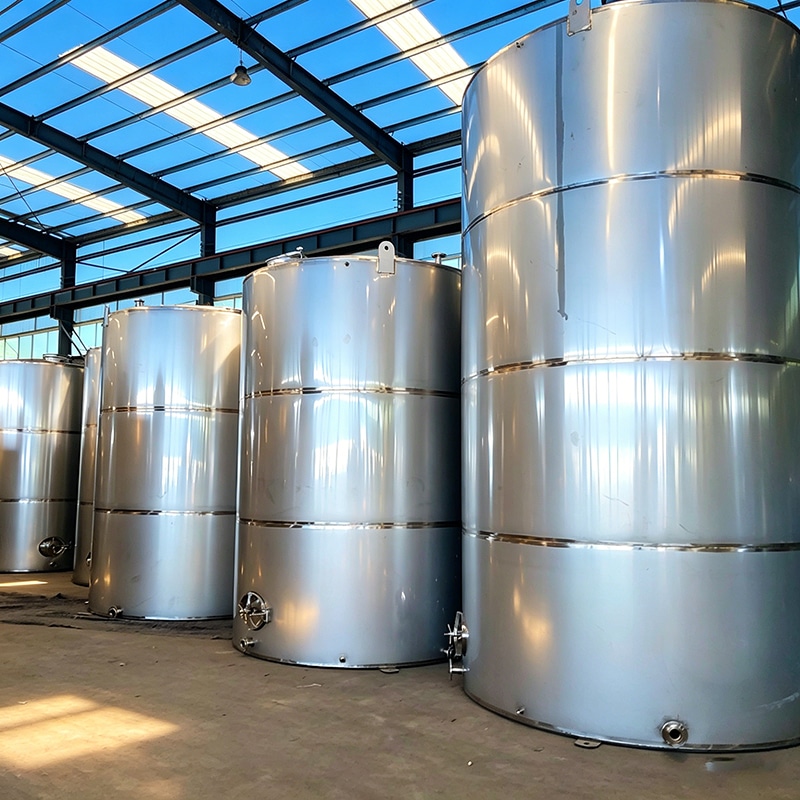
Vertical Stainless Steel Water Tank
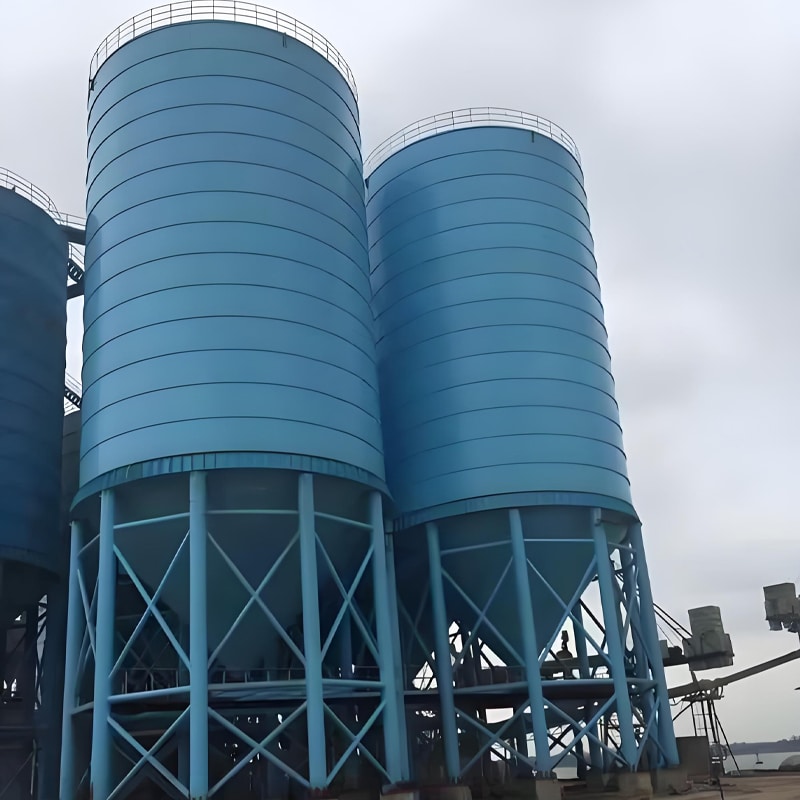
Large Vertical Coal Powder Ash Storage Tank
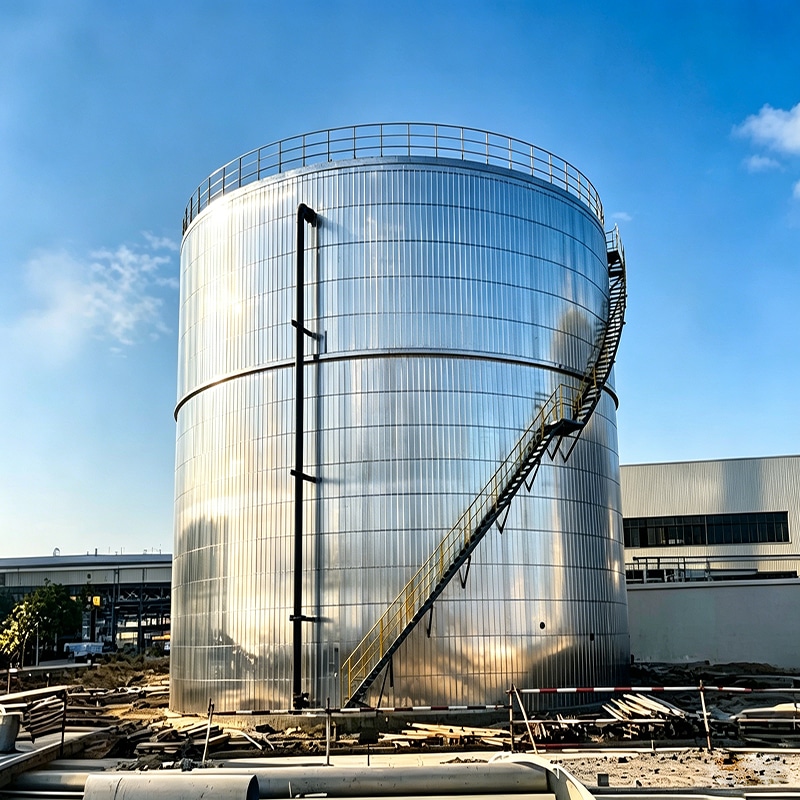
Insulated Vertical Storage Tank
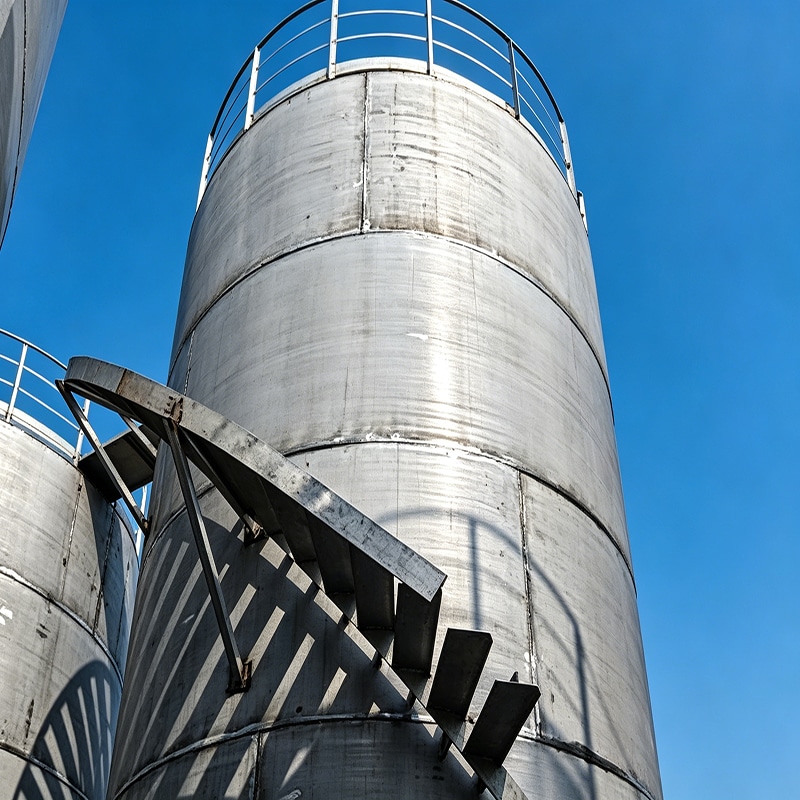
Large Stainless Steel Vertical Storage Tank
Industrial-Level Pressure Vessels
Stainless Steel Storage Tanks Fabrication
Industrial Low-Pressure Vessel
Do You Have Any Question?
Whether you’re planning storage tanks for your next project or wish to learn more about our solutions, we are pleased to answer all your questions in detail.
Need a customized quote for your storage tank project?
Simply send us your requirements via our inquiry form, and we will respond promptly with a comprehensive and tailored offer.