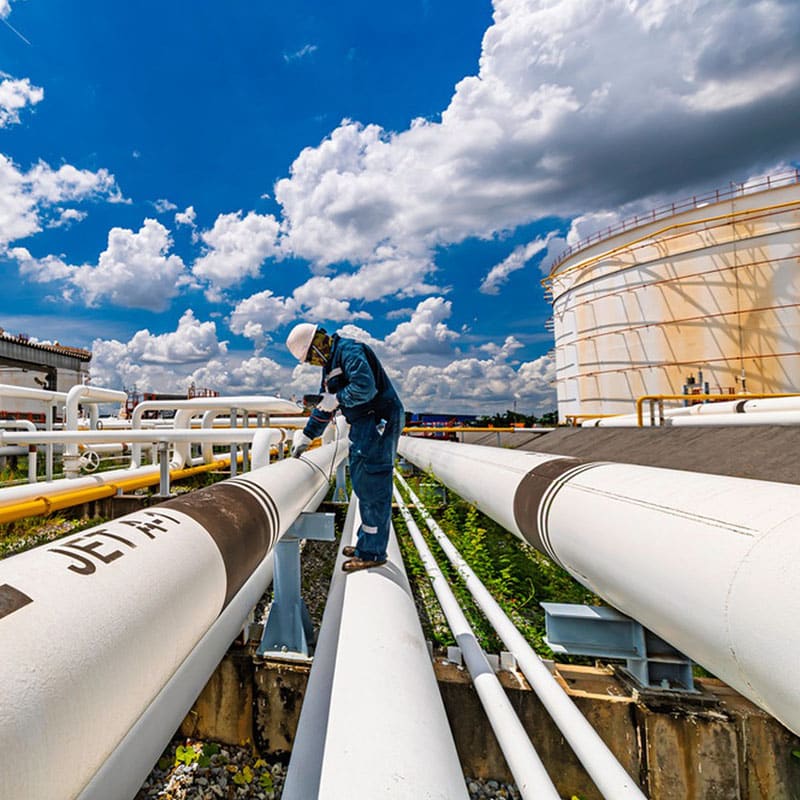
Complies with international standards
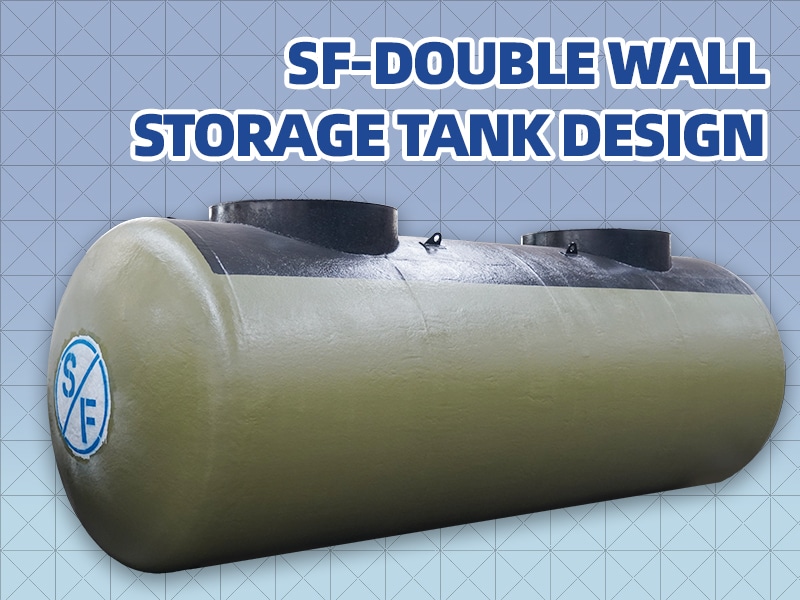
Design of SF Double-Wall Tanks
Design of SF Double-Wall Tanks
Category: horizontal oil tank
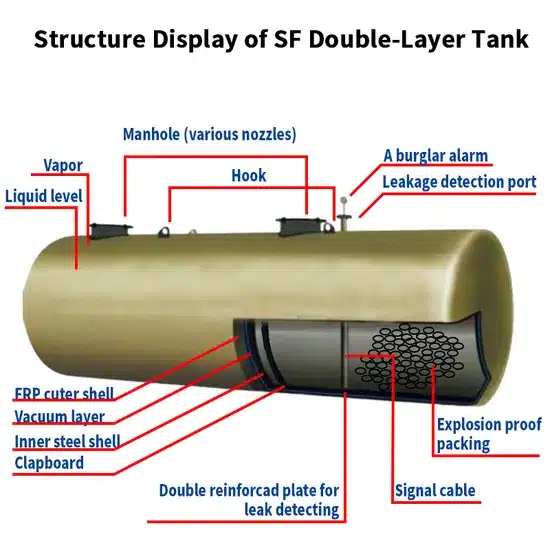
Design of SF double-wall storage tank adopts steel inner tank and FRP outer shell structure. Featuring interstitial leak detection design, anti-corrosion and anti-leakage performance, it is ideal for underground fuel storage, gas station and chemical industrial applications with full safety and environmental protection.
Get Best Price
Need a custom solution or have special requirements? Chat with us now on WhatsApp or send a quick message. You can contact us by:
I. Process and Medium Parameters
Medium Characteristics
- Medium name (e.g., crude oil, chemical solvents, acid-base solutions, etc.)
- Physical properties: Density, viscosity, flash point, boiling point, freezing point, vapor pressure
- Chemical properties: Corrosivity (pH value, corrosion rate), toxicity, flammability and explosiveness
- Temperature range: Storage temperature, maximum operating temperature, minimum ambient temperature
Storage Requirements
- Design capacity (effective volume, total volume)
- Storage cycle (single filling volume, turnover frequency)
- Filling factor (usually ≤ 0.9 to prevent overflow due to thermal expansion and contraction)
- Whether heating/cooling is required for the medium (temperature control range)
II. Structural Design Parameters
Tank Body Dimensions
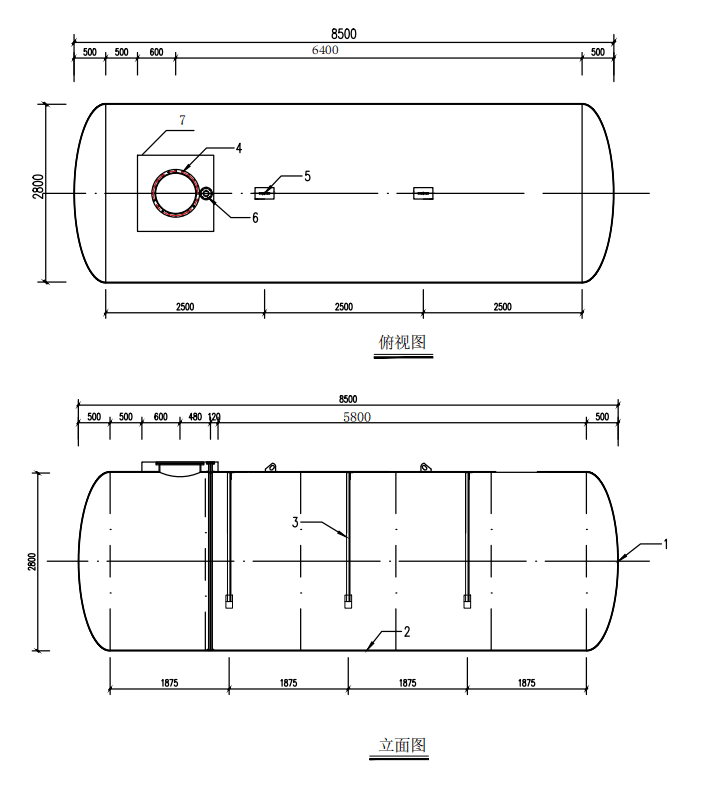
- Diameter (inner diameter/outer diameter), height (total height, effective liquid level height)
- Head form (ellipsoidal, dished, conical) and dimensions
- Wall thickness (inner layer, outer layer, interlayer)
Material Selection
- Inner layer material: Carbon steel, stainless steel, FRP (Fiberglass Reinforced Plastic)
- Outer layer material: Carbon steel, stainless steel, concrete (selected based on corrosion environment)
- Interlayer filling: Thermal insulation materials (polyurethane, rock wool), insulation layer thickness
Structural Details
- Flange, manhole, and nozzle dimensions and positions
- Floating roof/internal floating roof design (if applicable)
- Support structure (vertical/horizontal, saddle/skirt support)
III. Safety and Performance Parameters
Safety Standards
- Pressure rating (atmospheric pressure/low pressure/high pressure)
- Sealing grade (leak prevention, corrosion resistance)
- Explosion-proof rating (for flammable and explosive media)
- Seismic rating (determined based on installation environment)
Detection and Monitoring
- Interlayer leak detection system (e.g., level sensors, alarm devices)
- Anti-corrosion coating thickness and type
- Strength calculation parameters (allowable stress, safety factor)
IV. Regulatory and Environmental Parameters
Compliance Requirements
- Applicable standards (e.g., API 650, GB 50074, ASME VIII)
- Certification requirements (pressure vessel certification, anti-corrosion certification)
Environmental Conditions
- Installation location (above-ground/underground/indoor/outdoor)
- Soil conditions (soil corrosivity consideration for underground tanks)
- Meteorological conditions (wind speed, temperature, humidity, seismic intensity)
V. Other Auxiliary Data
- Transportation and installation requirements (weight, size limitations)
- Maintenance cycle and inspection space
- Emergency response measures (leakage emergency plan, fire protection facilities)
8000+
COMPLETED TANK PROJECTS
15+
MANUFACTURING EXPERIENCE
121000+
SQ FT FABRICATION SPACE
300+
COMPANY EMPLOYEES
More Products
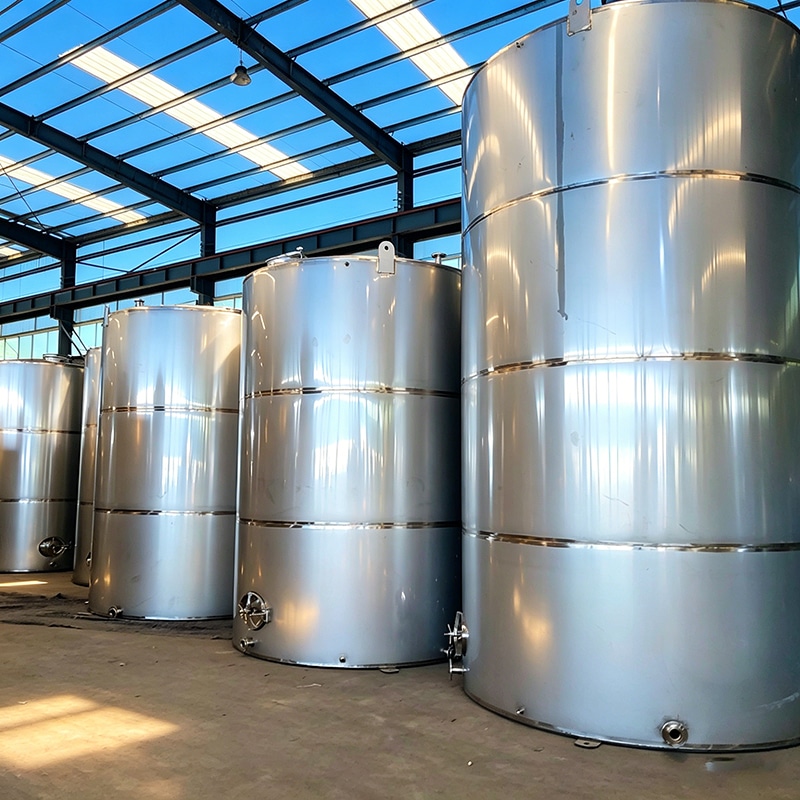
Vertical Stainless Steel Water Tank
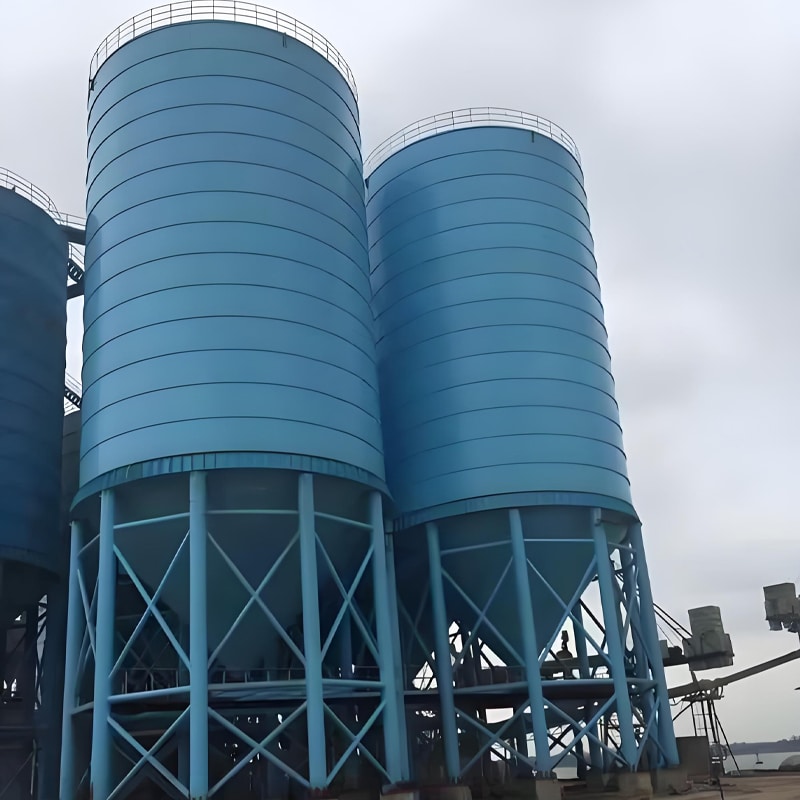
Large Vertical Coal Powder Ash Storage Tank
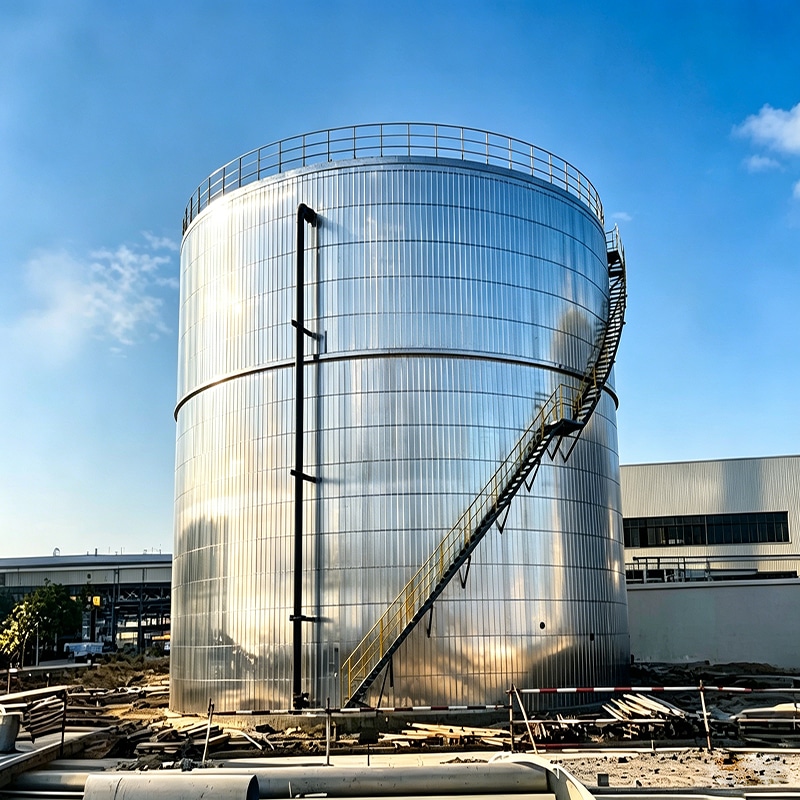
Insulated Vertical Storage Tank
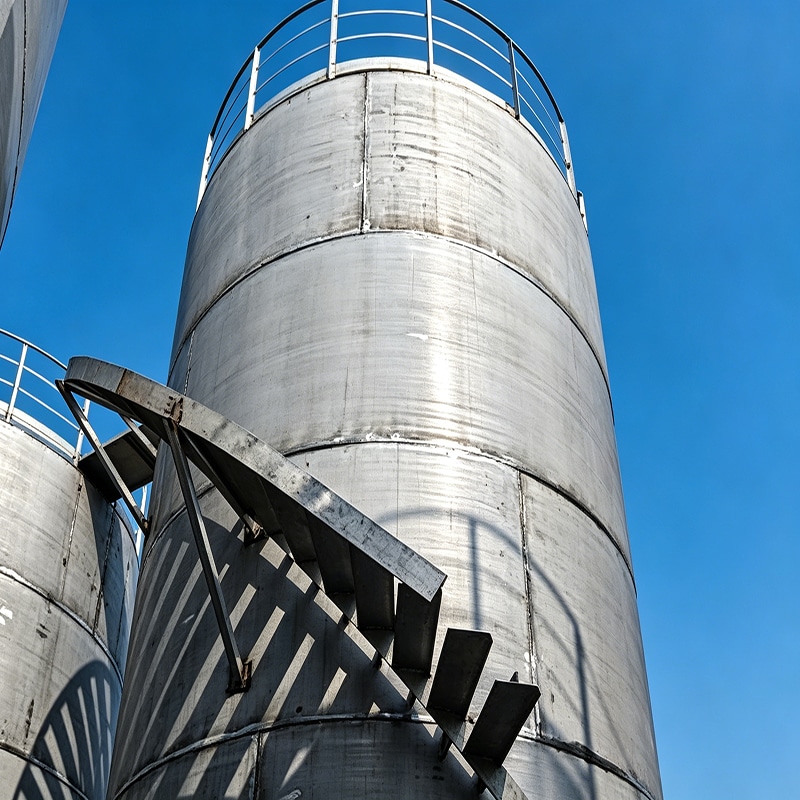
Large Stainless Steel Vertical Storage Tank
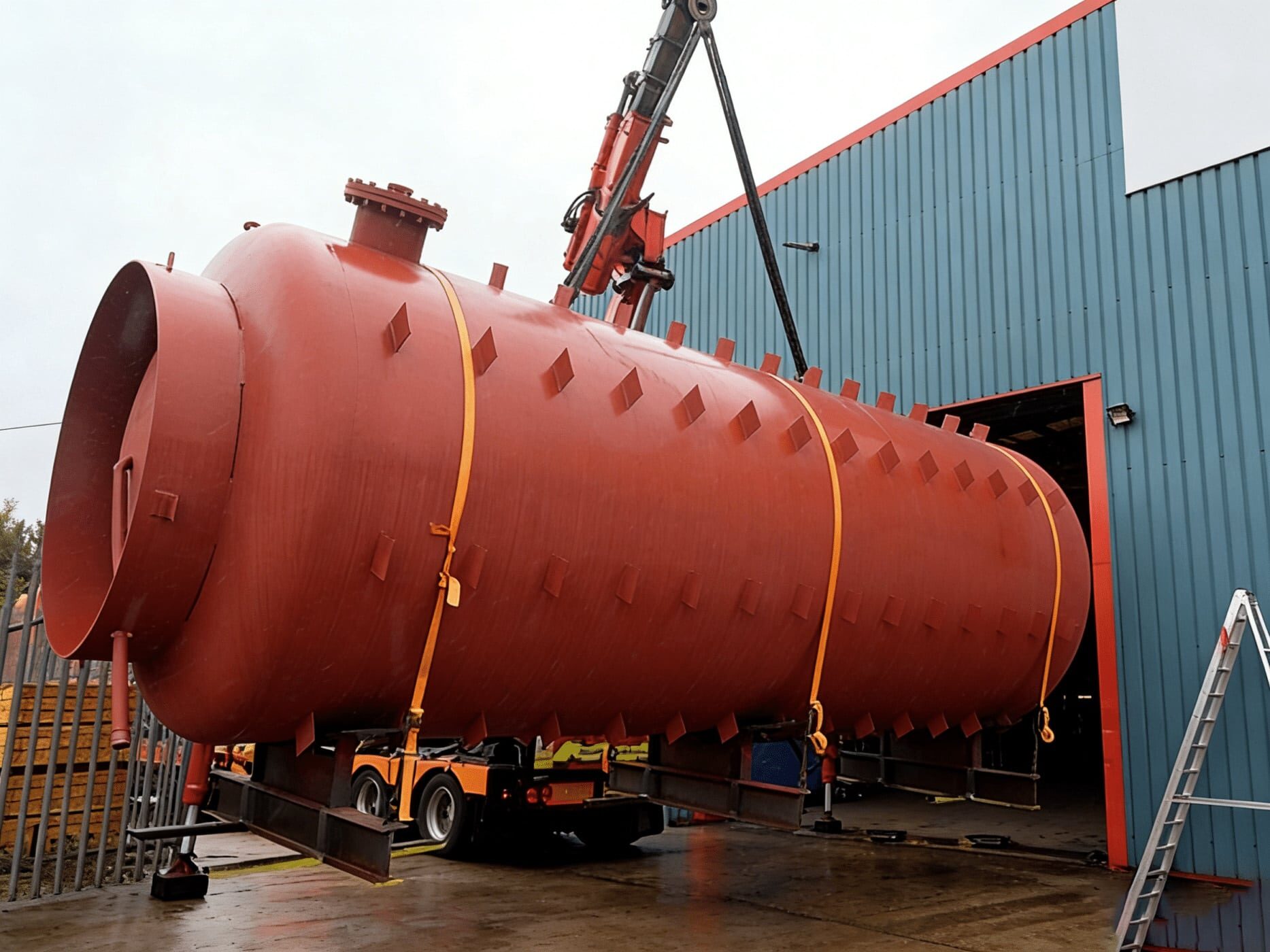
Industrial-Level Pressure Vessels
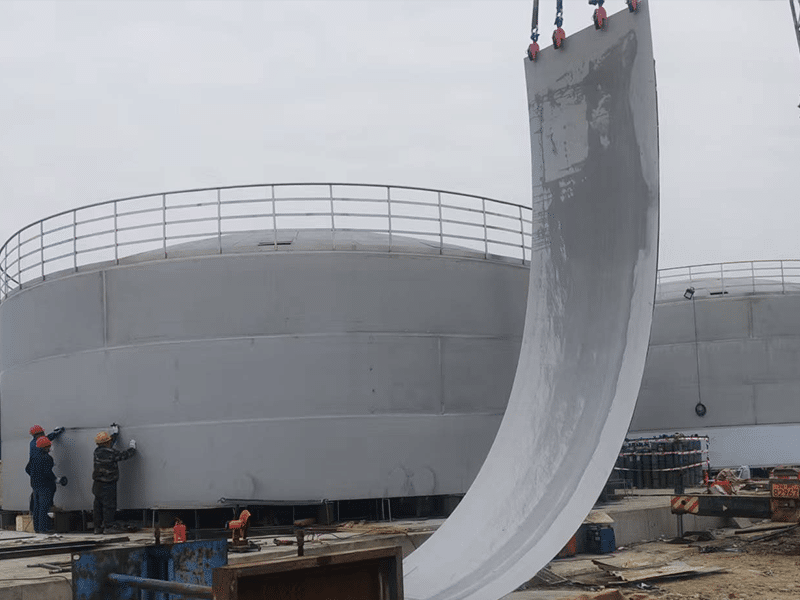
Stainless Steel Storage Tanks Fabrication
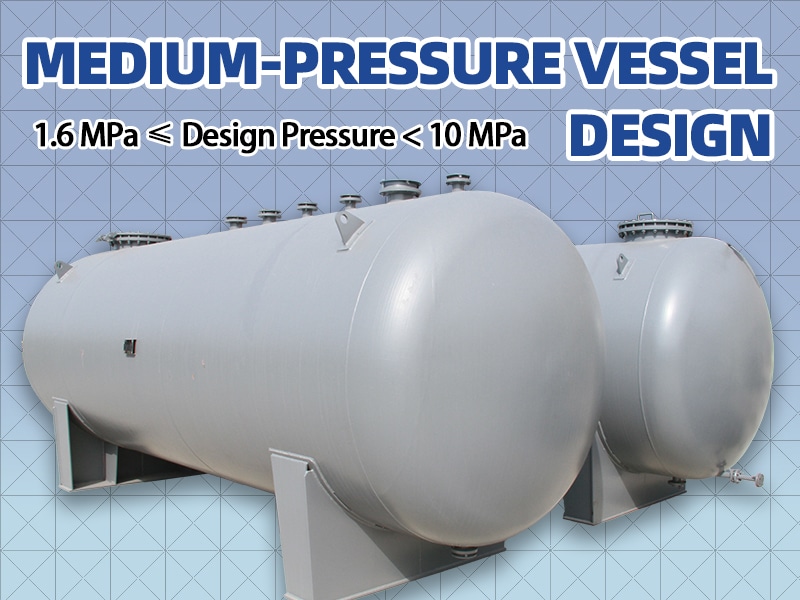
Industrial Low-Pressure Vessel
Do You Have Any Question?
Whether you’re planning storage tanks for your next project or wish to learn more about our solutions, we are pleased to answer all your questions in detail.
Need a customized quote for your storage tank project?
Simply send us your requirements via our inquiry form, and we will respond promptly with a comprehensive and tailored offer.